
Best Beginner Espresso Machines
Getting started with espresso comes down to how much control vs simplicity you want.
Some machines simplify the process so you can just press a button. Others give you more hands-on control to actually learn espresso properly.
The best beginner machine isn’t the easiest — it’s the one that matches how involved you want to be.
If you're still comparing how espresso machines fit into the bigger picture of home brewing setups, it helps to start with Coffee Makers & Machines before narrowing down beginner-friendly options.
Transparency Note: We may earn a commission from qualifying purchases. Product selections are made independently and are not influenced by manufacturers.
Quick Verdict
If you want the easiest way to get real espresso without a learning curve, the Breville Bambino is the best place to start.
For a more affordable entry point with simple operation, the De’Longhi Dedica Arte keeps things compact and beginner-friendly.
If your goal is to actually learn espresso and build a long-term setup, the Gaggia Classic Pro offers the highest ceiling.
If you want zero effort and fully automated coffee, the Philips Baristina is the simplest option.
If you're building your first setup and want to understand how machines, grinders, and workflow connect, Best Espresso Setup for Beginners breaks down what actually matters day to day.
Best Overall Beginner Espresso Machine
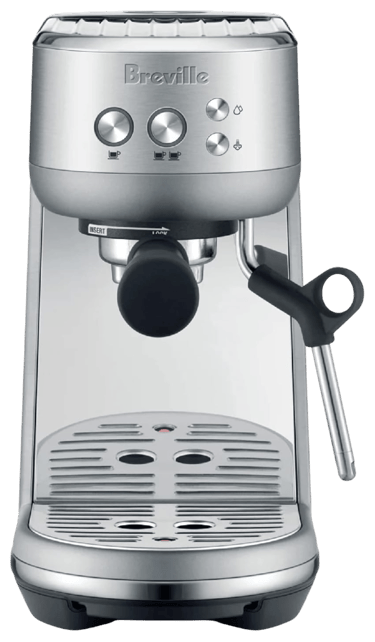
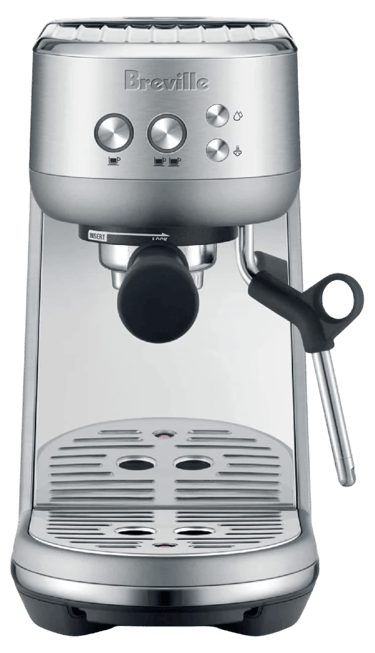
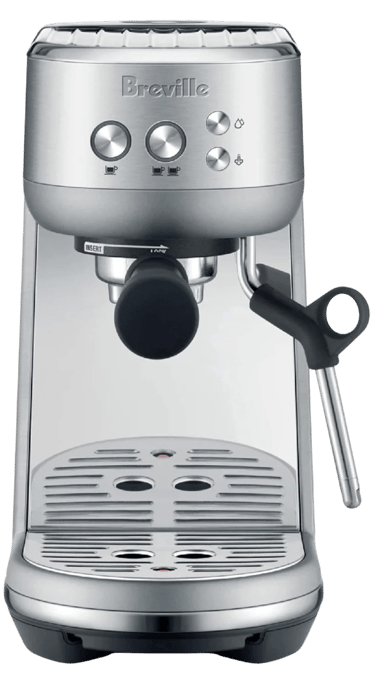
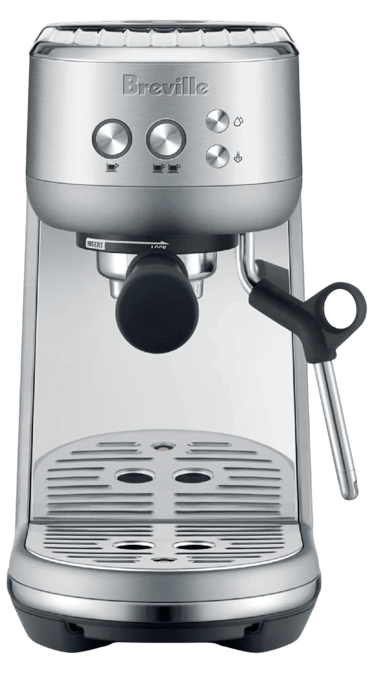
The Breville Bambino is built for beginners who want real espresso without dealing with a complicated setup.
It heats up in seconds and uses proper pressure and pre-infusion, which helps produce consistent shots even if you’re still learning.
Unlike cheaper machines, it doesn’t cut corners on extraction quality—so you’re getting something that actually performs, not just something that looks the part.
Specs
• ThermoJet fast heat-up system
• Low-pressure pre-infusion
• 54mm portafilter
• Manual steam wand
Best For
• First-time espresso users
• Small kitchens or limited space
• Daily home coffee
Avoid If
• You want built-in grinding
• You plan to fully customize every variable
If you're curious how machines like this actually extract espresso step by step, How Espresso Machines Work (Beginner Guide) gives a practical breakdown of what’s happening under the hood.
Breville Bambino BES450BSS
Best Overall
BUZZ'S TOP PICK
Best Budget Beginner Espresso Machine
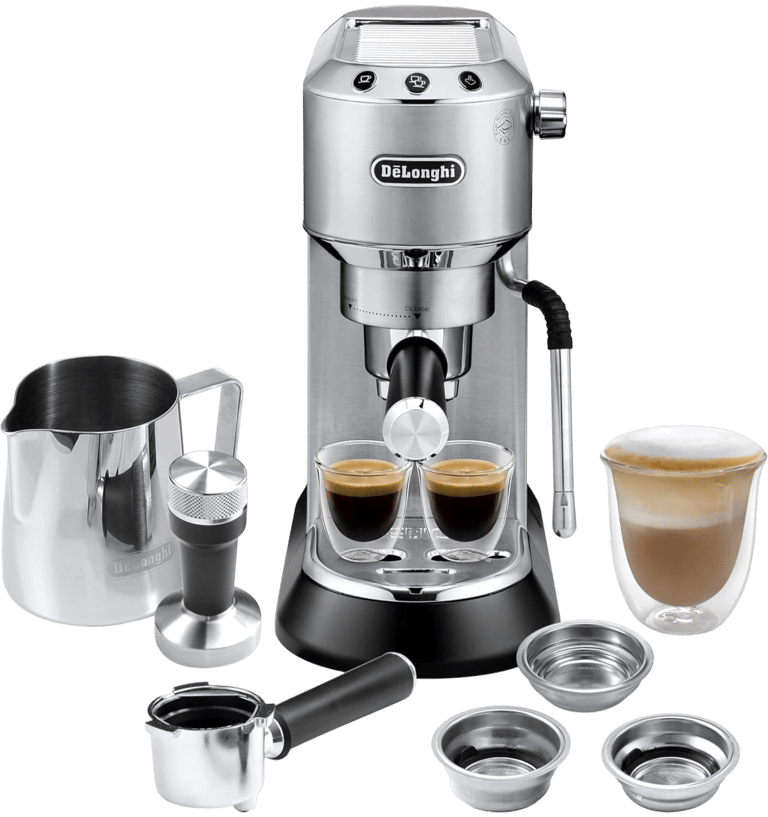
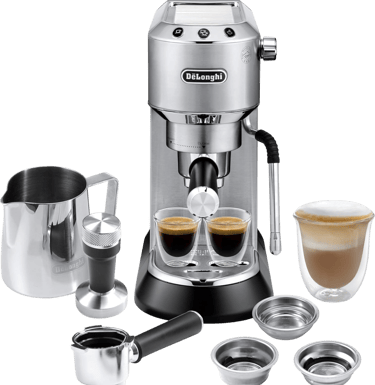
De’Longhi Dedica Arte EC885M
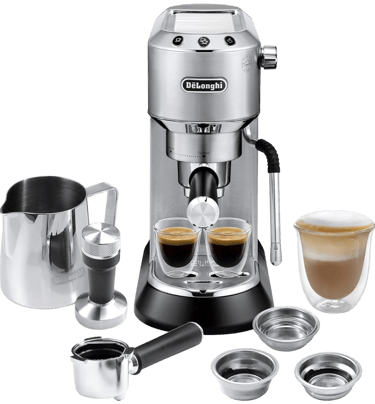
The Dedica Arte is one of the easiest ways to get started with espresso without spending much.
It’s slim, simple, and forgiving—especially if you’re using pre-ground coffee or just learning the basics.
It won’t match higher-end machines in shot quality, but it removes the complexity that usually stops beginners from getting started.
Specs
• Slim compact design
• 15-bar pump system
• Pressurized filter baskets
• Manual steam wand
Best For
• Tight budgets
• Small kitchens
• First espresso setup
Avoid If
• You want high-end espresso quality
• You plan to upgrade quickly
Budget machines like this highlight the trade-offs between cost and performance, which is explored in Do Expensive Espresso Machines Actually Make Better Coffee.
De’Longhi Dedica Arte EC885M
Best Budget Beginner
BUZZ'S TOP PICK
Best for Learning Espresso
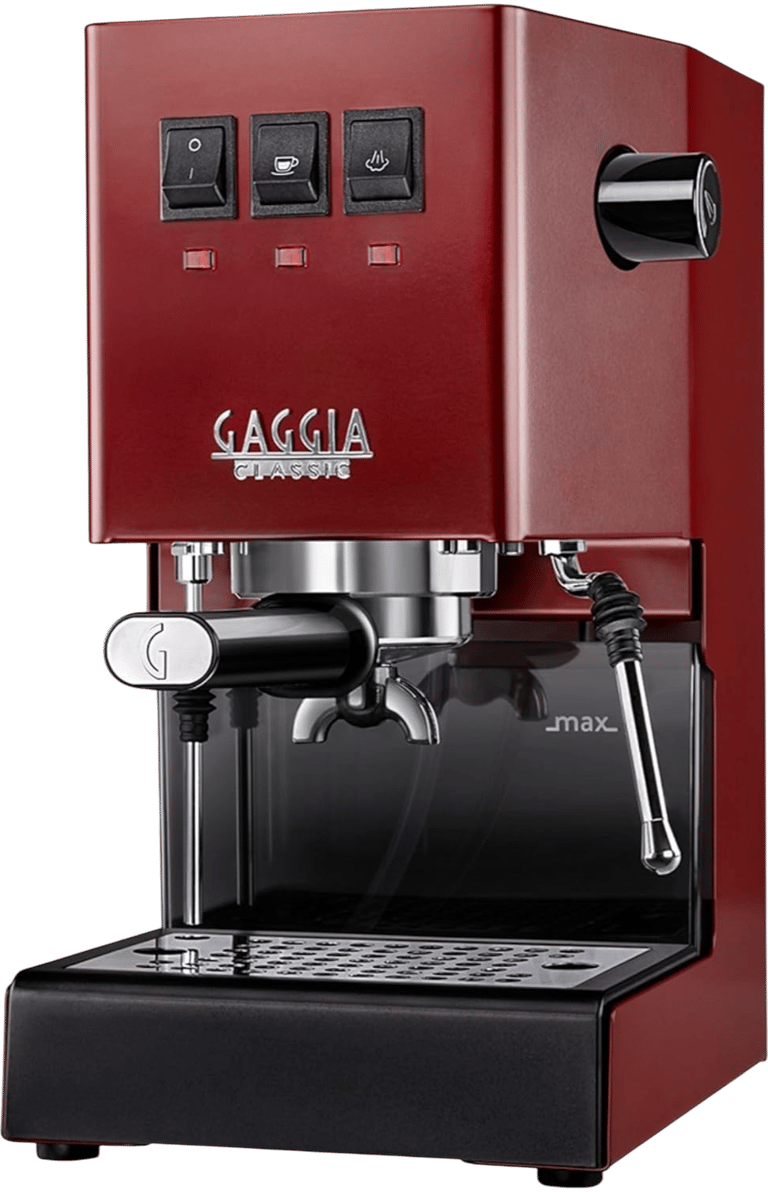
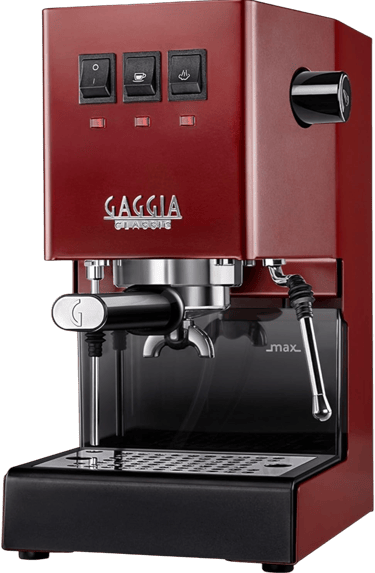
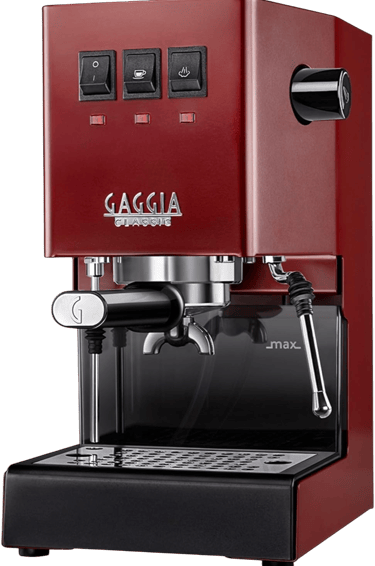
Gaggia Classic Pro RI9380/47
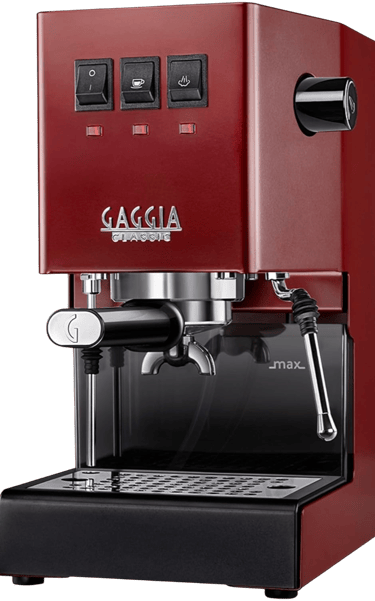
The Gaggia Classic Pro is where beginners move from convenience into real espresso.
It uses a commercial-style 58mm portafilter and requires a proper workflow, which means you’ll actually learn how grind size, dosing, and extraction work together.
It takes more effort, but it rewards you with better results and long-term potential.
Specs
• Commercial 58mm portafilter
• Single boiler system
• Manual steam wand
• Stainless steel housing
Best For
• Learning espresso technique
• Building a long-term setup
• Maximum control over extraction
Avoid If
• You want a simple one-step process
• You don’t want to learn grind and workflow
Traditional machines like this fall into a different category compared to automated options, and Types of Espresso Machines Explained (Simple Breakdown) helps clarify where each type fits.
Gaggia Classic PRI9380/47
Best for Learning
BUZZ'S TOP PICK
Best for Convenience
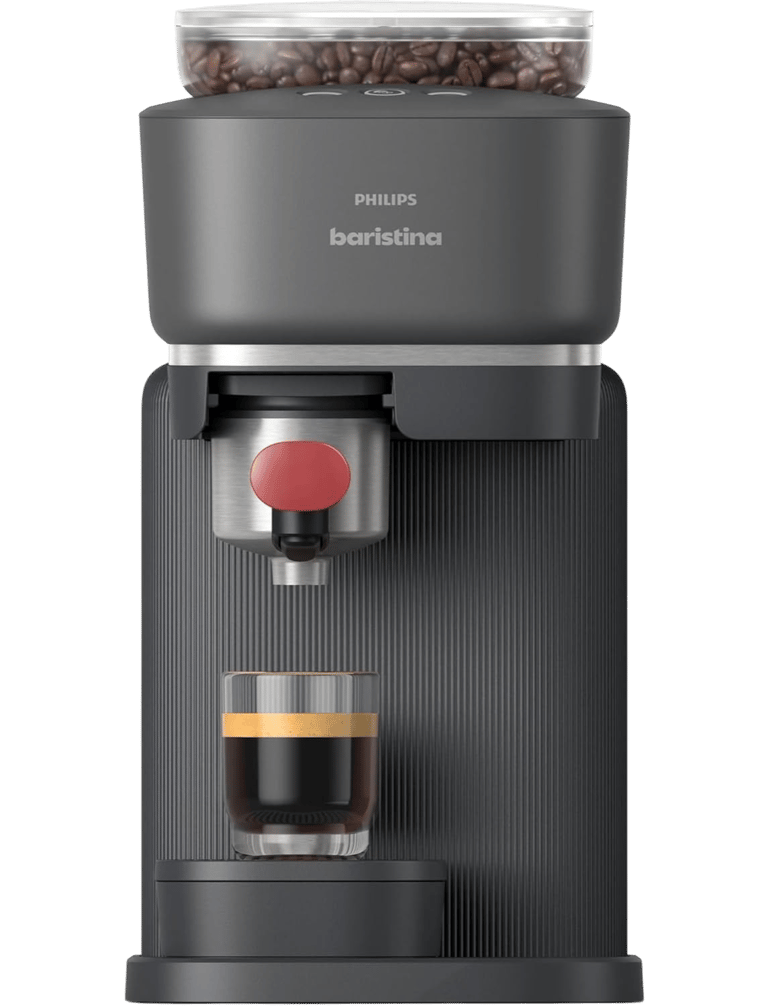
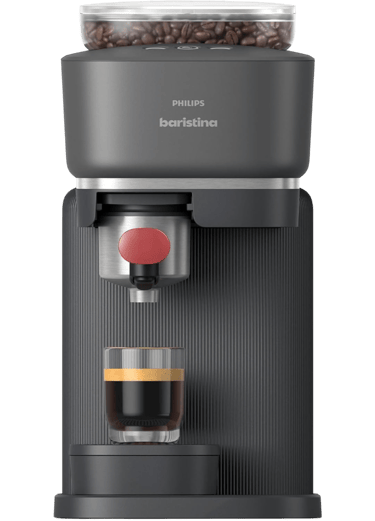
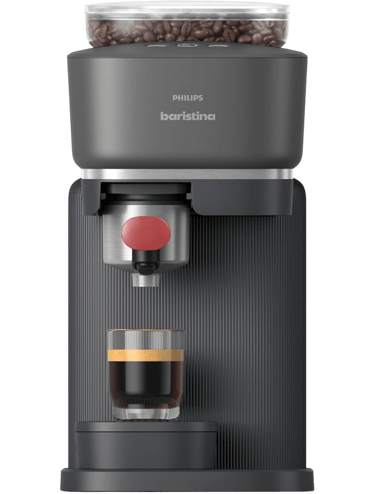
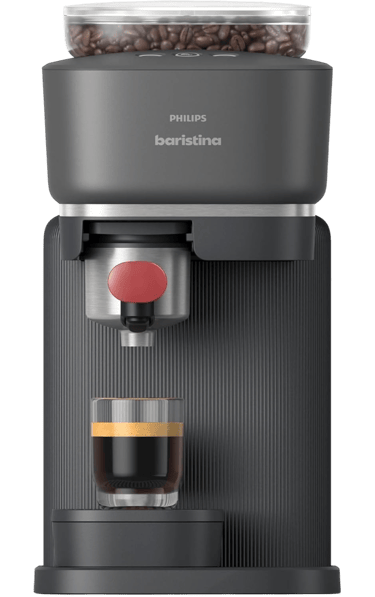
Philips Baristina Espresso Machine
The Philips Baristina is designed for people who want espresso without the learning curve.
It handles grinding, dosing, tamping, and brewing automatically, so you don’t have to think about technique or workflow.
The result isn’t as customizable as manual machines, but it’s fast, consistent, and extremely easy to use.
Specs
• Fully automatic brewing system
• Built-in grinder
• One-touch operation
• Integrated dosing and tamping
Best For
• Busy mornings
• No prior espresso experience
• Quick, consistent coffee
Avoid If
• You want full control over extraction
• You prefer hands-on espresso making
If you're comparing full automation vs hands-on control, comparisons like Jura E6 Platinum 15465 vs Breville Oracle Jet show how convenience impacts workflow and results.
Philips Baristina
Best for Convenience
BUZZ'S TOP PICK
How to Choose an Espresso Machine
Choosing the right espresso machine comes down to how involved you want to be in the process.
If you want simplicity, look for machines that automate steps like grinding and brewing.
If you want control, focus on machines that separate each step—grind, dose, tamp, and extract.
Pay attention to:
• Grinder inclusion (critical for espresso quality)
• Temperature stability
• Steam wand performance
• Workflow complexity
• Long-term upgrade potential
The biggest mistake is choosing based on features instead of how you actually plan to use the machine.
Espresso Machines vs Brewing Style
Different machines solve different problems.
Capsule systems prioritize speed and consistency.
All-in-one machines balance convenience with control.
Traditional machines prioritize performance and customization.
There’s no single “best” option—only the one that fits your routine.
For a deeper breakdown of how to choose the right machine without overbuying, How to Choose an Espresso Machine (Without Wasting Money) walks through the full decision process.
Understanding how machine design impacts consistency and extraction comes down to core features, which are explained in What Makes a Good Espresso Machine? (Key Features Explained).
Frequently Asked Questions
What is the best espresso machine for beginners?
The best beginner espresso machine is one that simplifies the process without removing control entirely.
Machines like the Breville Bambino strike a balance by making it easy to get started while still allowing you to learn grind size, dosing, and extraction basics.
Fully automatic machines are even easier, but they remove most of the learning process.
Do you need a grinder for espresso?
Yes—grind quality is one of the most important factors in espresso.
Pre-ground coffee can work with beginner machines, but it limits your ability to control extraction.
If you want consistent results, a burr grinder is eventually necessary.
What’s the difference between cheap and expensive espresso machines?
Lower-cost machines focus on simplicity and accessibility, often using pressurized baskets to help beginners.
Higher-end machines offer better temperature stability, more control, and stronger build quality.
The biggest difference is consistency and long-term performance—not just raw pressure numbers.
If you're comparing price tiers directly, Best Espresso Machines Under $500 and Best Espresso Machines Under $1000 show what you realistically gain as you move up.
Is a built-in grinder worth it?
Built-in grinders are convenient and good enough for most beginners.
They simplify your setup and reduce the number of variables you need to manage.
However, dedicated grinders offer more precision, which becomes important as you improve.
Are automatic espresso machines better for beginners?
They’re easier, but not always better.
Automatic machines remove the learning curve entirely, which is great for convenience.
But if you want to understand espresso and improve over time, a semi-automatic machine is the better choice.
How hard is it to learn espresso?
There is a learning curve, but it’s manageable with the right machine.
Beginner-friendly machines reduce the number of variables so you can get good results quickly.
With practice, most users improve within a few days and continue refining from there.
Quick Picks for Your Setup
Breville Bambino
BES450BSS
Fast heat-up with beginner-friendly real espresso workflow.
BUZZ PICK - Best Overall
De’Longhi
Dedica Arte EC885M
Compact beginner espresso machine with simple operation.
BUZZ PICK - Best Budget
Gaggia
Classic PRI9380/47
Traditional espresso machine built for learning technique.
BUZZ PICK - Best Learning
Philips
Baristina
One-touch espresso brewing with built-in grinder simplicity.
BUZZ PICK - Best Convenience
Final Verdict
There isn’t one perfect espresso machine—only the one that fits how you want to make coffee.
The Breville Bambino offers the best balance for most beginners.
The De’Longhi Dedica Arte is the easiest way to get started on a budget.
The Gaggia Classic Pro delivers the highest ceiling for learning real espresso.
The Philips Baristina is the fastest way to get consistent results with no effort.
The right choice comes down to how much control, effort, and involvement you want in your daily routine.
If you're ready to explore more options beyond beginner setups, Best Espresso Machines and Best Espresso Machines Under $2000 expand into higher-performance machines with more control and upgrade potential.
Where Do You Want to Go Next?
Choose your path based on what you need right now.
Explore Everything
Dive deeper into:
espresso machine guides
drip coffee maker breakdowns
grinder compatibility
workflow improvements
brewing temperature education
beginner machine setups
This is the best place to better understand how different coffee machines actually perform in daily use.
Compare Before You Buy
Not sure which coffee setup fits your brewing style best?
Compare:
Ninja Luxe Café vs Philips 3300
workflow simplicity
milk frothing performance
drink versatility
beginner vs enthusiast usability
Seeing the real-world brewing differences makes choosing the right machine much easier.
Just Get It Done
If you simply want a beginner-friendly espresso machine with fast heat-up and real espresso capability, start with the Breville Bambino BES450BSS.
It offers:
fast heat-up performance
real espresso extraction
compact countertop footprint
simple beginner controls
reliable daily espresso use
For most beginners, it’s one of the safest first real espresso machine choices available.
Contact@TheBuzzHQ.com
© 2026 Coffee Tech Buzz. All rights reserved.
Coffee Tech Buzz
Smarter brewing through better gear, clearer insights, and real-world performance testing.
Built for home users who want consistency without guesswork.
We focus on how machines actually perform — not just what they claim.
Home
Coffee Equipment Guide
Coffee Makers & Machines
Coffee Grinders
Espresso Gear & Guides
Coffee Beans & Roasts
Coffee Accessories & Tools
For educational purposes only.
We may earn commissions from qualifying purchases.
General Inquiries: