
THE SHOWDOWN
Fine vs Coarse Grind Coffee
Baratza Sette 30 Coffee Grinder vs
Fellow Ode Brew Grinder Gen 2
Grind size isn’t just a setting—it directly controls how your coffee extracts.
Fine grinds slow down water flow, increasing extraction and producing stronger, more concentrated flavors. Coarse grinds allow water to pass quickly, resulting in lighter, cleaner cups.
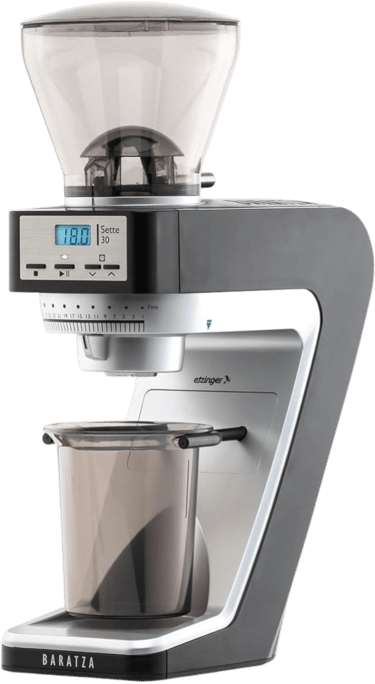
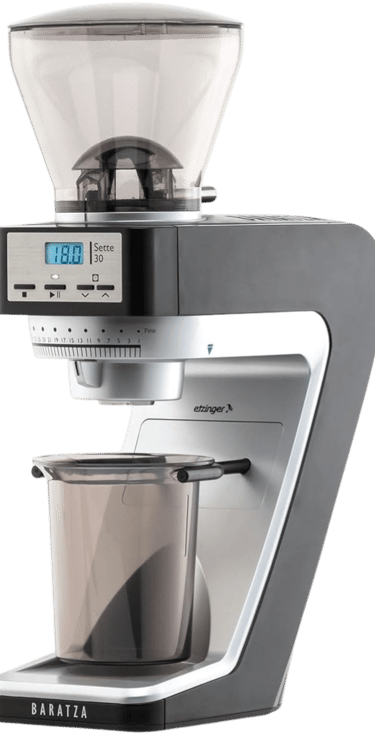
The Baratza Sette 30 Coffee Grinder represents grinders built for fine grinding and espresso, while the Fellow Ode Brew Grinder Gen 2 is designed specifically for medium to coarse grind consistency.
This comparison breaks down how grind size changes your coffee—and which setup fits your brewing style.
Transparency Note: We may earn a commission from qualifying purchases. Product selections are made independently and are not influenced by manufacturers.
Quick Verdict
If you want strong, concentrated coffee like espresso, fine grinding is the better choice.
If you prefer clean, balanced coffee like pour over or drip, coarse grinding delivers better results.
Fine grind → strength and intensity
Coarse grind → clarity and balance
Getting this right depends on dialing in your grinder—Best Grind Size for Espresso (Beginner Guide) and Best Grind Size for Pour Over (Dialing It In) break down how grind size affects each method.
THE SHOWDOWN
Baratza Sette 30
Fellow Ode Gen 2
✓ Fine Grind
✓ Strong Extraction
✓ Espresso Focused
✓ Coarse Grind
✓ Clean flavor
✓ Filter brewing
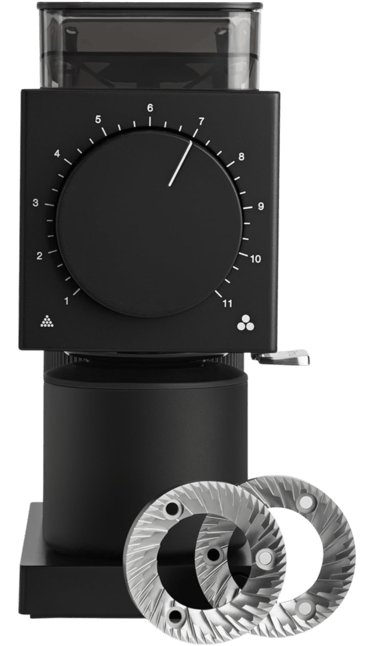
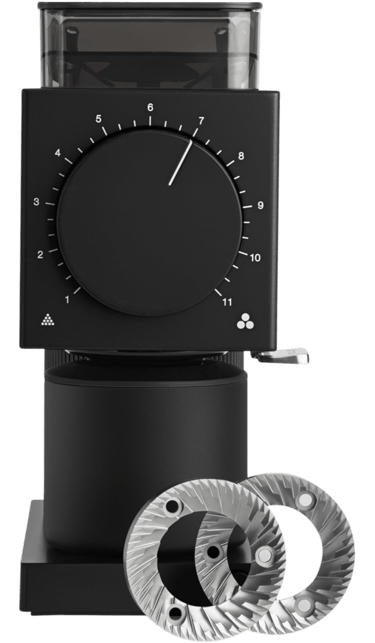





The difference between fine and coarse grind coffee comes down to extraction speed and control.
Fine grinds create more surface area, which slows water flow and increases extraction. This leads to stronger, heavier-bodied coffee.
Coarse grinds reduce resistance, allowing water to flow faster. This results in lighter, cleaner cups with more clarity.
This affects:
Brew time
Flavor intensity
Body and texture
Method compatibility
Choosing the wrong grind size can completely throw off your coffee.
That control also depends on your grinder’s adjustment style—Stepped vs Stepless Grinders Explained shows how precision impacts your results.
Key Differences
Side-by-Side Breakdown
Fine Grind (Baratza Sette 30)
Grind Size: Fine
Extraction Speed: Slow
Flavor Profile: Strong, concentrated
Control: High (fine tuning needed)
Best Use: Espresso
Designed to maximize extraction in short brew times.
Coarse Grind (Fellow Ode Gen 2)
Grind Size: Medium–Coarse
Extraction Speed: Fast
Flavor Profile: Clean, balanced
Control: Moderate
Best Use: Pour over, drip
Built for clarity and even extraction.
If you're working within a budget, Best Coffee Grinders Under $100 highlights grinders that still perform well across different grind ranges.
Performance in Real Use
Fine grind performs best in espresso.
It allows pressure to build properly, creating rich, concentrated shots with strong body. However, it requires precise adjustment—small changes can dramatically affect taste.
Coarse grind performs best in filter brewing.
It allows water to flow evenly, reducing bitterness and improving clarity. It’s more forgiving and easier to dial in for consistent results.
If you want intensity → fine grind wins
If you want clarity → coarse grind wins
For consistent results, grind size and freshness go hand-in-hand—How to Store Ground Coffee helps maintain flavor and stability between brews.
Ease of Use
Coarse grinding is easier to manage.
It’s more forgiving, requires less precise dialing, and produces consistent results across different brew methods.
Fine grinding requires more precision.
Small adjustments matter
Timing becomes critical
More trial and error
If you want simplicity → coarse grind
If you want control → fine grind
Build & Grinder Design Impact
Grinders are often optimized for specific grind ranges.
The Baratza Sette 30 is built for fine grinding and espresso performance, with high speed and low retention.
The Fellow Ode Gen 2 is designed for filter coffee, focusing on uniform medium to coarse particles and clarity.
Using the wrong grinder for the wrong grind range can limit performance.
Who Each Is For
Coarse Grind (Ode Gen 2)
You brew pour over or drip
You want clean, balanced coffee
You prefer easier dialing
You prioritize clarity
Fine Grind (Sette 30)
You make espresso
You want strong, concentrated coffee
You’re comfortable dialing in grind size
You prioritize intensity
Frequently Asked Questions
What’s the difference between fine and coarse grind coffee?
Fine grind slows extraction and increases strength, while coarse grind speeds extraction and improves clarity.
Which grind is better for espresso?
Fine grind is required for proper espresso extraction.
Which grind is best for pour over?
Medium to coarse grind works best for balanced extraction.
Does grind size affect taste?
Yes. It directly impacts extraction, which controls flavor.
Is coarse grind easier to use?
Yes. It’s more forgiving and easier to dial in.
Can one grinder do both well?
Some can, but most perform best in a specific grind range.
What happens if grind size is wrong?
You’ll get under-extracted or over-extracted coffee.
What’s the biggest takeaway?
Match grind size to your brew method.
Final Verdict
Fine vs coarse grind coffee isn’t about which is better—it’s about matching your brew method.
Fine grind delivers strength, intensity, and espresso performance.
Coarse grind delivers clarity, balance, and consistency for filter coffee.
If you want strong, concentrated coffee → fine grind
If you want clean, balanced coffee → coarse grind
Matching grind size to your setup is key—start with Best Grind Size for Espresso (Beginner Guide) or Best Grind Size for Pour Over (Dialing It In) to dial things in properly.
Contact@TheBuzzHQ.com
© 2026 Coffee Tech Buzz. All rights reserved.
Coffee Tech Buzz
Smarter brewing through better gear, clearer insights, and real-world performance testing.
Built for home users who want consistency without guesswork.
We focus on how machines actually perform — not just what they claim.
Home
Coffee Equipment Guide
Coffee Makers & Machines
Coffee Grinders
Espresso Gear & Guides
Coffee Beans & Roasts
Coffee Accessories & Tools
For educational purposes only.
We may earn commissions from qualifying purchases.
General Inquiries: