

Italian Espresso Drinks
At its simplest, espresso is coffee brewed by forcing hot water through finely ground beans under pressure. This process extracts a concentrated shot that’s thicker and more intense than drip coffee. While the idea sounds technical, the everyday goal is to pull a shot that tastes balanced and consistent without needing an engineering degree.
For most beginners, espresso is less about chasing perfect crema or exact extraction times and more about getting comfortable with the core workflow: grinding, dosing, tamping, and brewing. Once you’re steady with these basics, you can start exploring simple espresso drinks that blend shots with water or milk.
For coffee enthusiasts learning espresso fundamentals and café drink structure, both Espresso Drinks and the Complete Espresso Guide provide a strong foundation before moving into more advanced recipes.
Italian Coffee Culture
Coffee culture in Italy is built around routine, social interaction, and efficiency. Espresso bars are part of daily life, with many people stopping multiple times throughout the day for quick drinks while standing at the counter. Unlike many American coffee shops that encourage long stays and oversized drinks, traditional Italian cafés prioritize quick service and consistent espresso preparation.
In many regions of Italy, coffee also follows unwritten social rules. Cappuccinos are typically consumed during breakfast hours, while straight espresso is more common later in the day. Many traditional espresso drinks are intentionally small, allowing the coffee itself to remain the focus of the experience.
One of the biggest differences between Italian espresso drinks and modern American café drinks is serving size. Traditional Italian coffee drinks are usually compact and highly concentrated. Instead of large cups filled with flavored syrups and excessive milk, Italian espresso drinks aim to preserve balance between body, crema, aroma, sweetness, bitterness, and texture.
Smaller serving sizes also help maintain espresso temperature and crema quality while creating a faster café workflow. This minimalist approach is one of the reasons Italian espresso culture remains so influential in specialty coffee today.
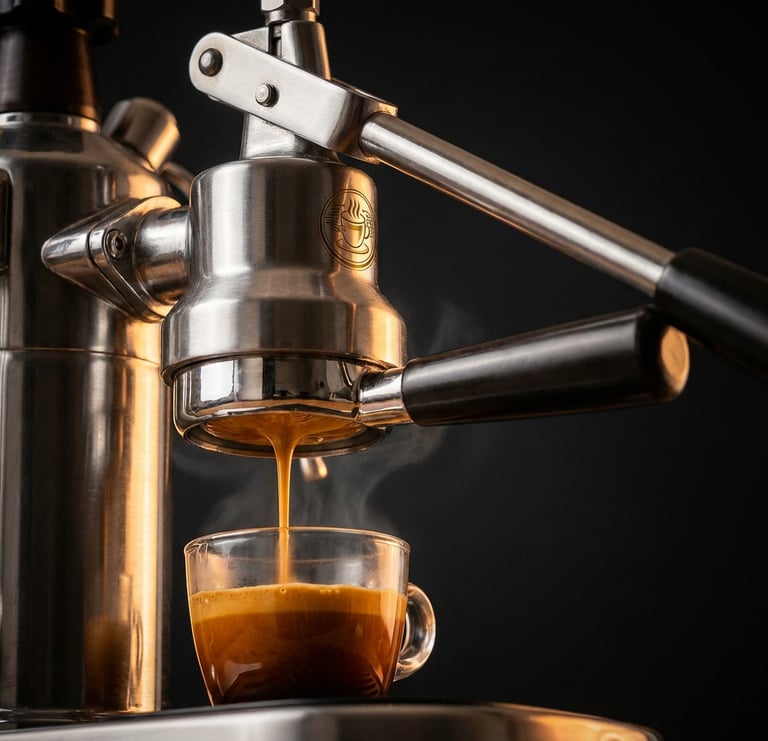
Why Italian Espresso Drinks Are Smaller
Milk Texture Matters
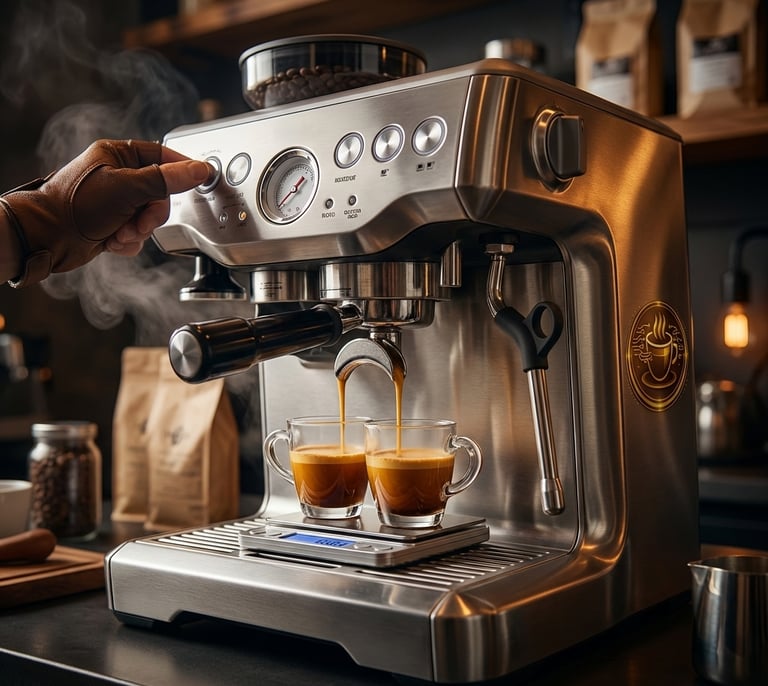

Italian espresso drinks often differ by only small changes in milk texture, foam thickness, espresso ratio, or extraction volume. A cappuccino, macchiato, flat white, and latte may all use similar ingredients, but each delivers a completely different experience because of milk aeration and balance.
Traditional Italian milk drinks typically use microfoam rather than large airy bubbles. This creates a smoother texture while helping the espresso blend naturally with the milk instead of separating into layers.
Espresso Is The Foundation
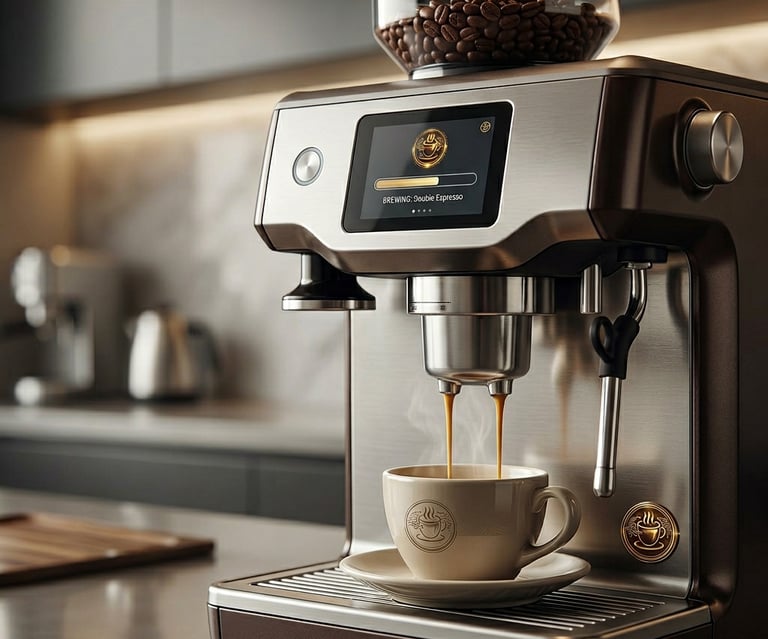

Nearly every Italian coffee drink starts with properly extracted espresso. Grinder quality, fresh beans, brew ratios, water temperature, and puck preparation all influence the final flavor profile. Because many Italian drinks contain very little milk or dilution, espresso quality becomes even more important.
This is one reason espresso grinders, tampers, baskets, and machines play such a major role in café-quality home setups. Small extraction issues become much easier to notice in concentrated Italian-style drinks.
Explore Italian Espresso Drinks
Jump to any drink to learn about it's flavor, tradition, strength, and how it's made.
Espresso
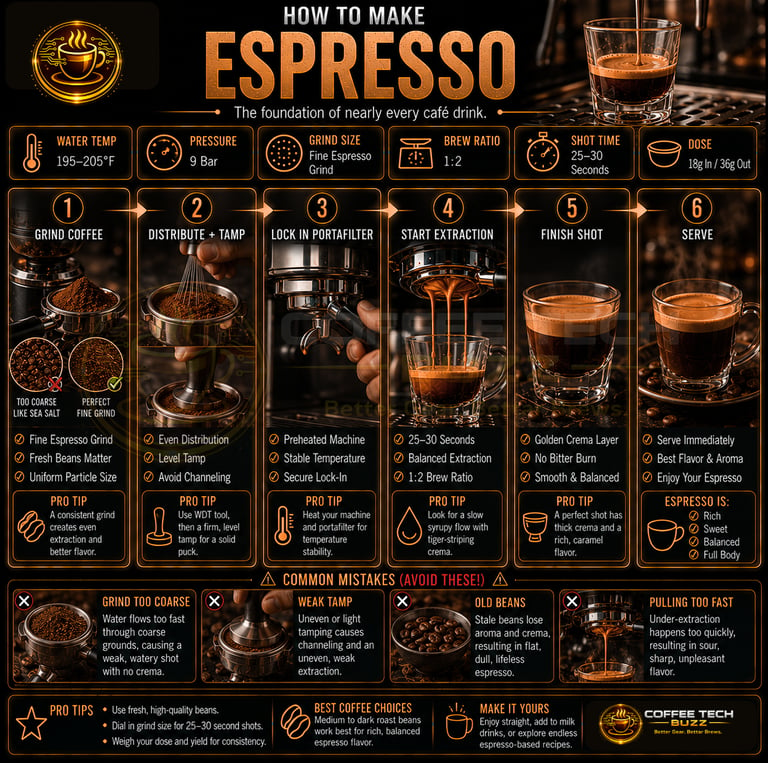
Espresso is the foundation of nearly every Italian coffee drink. Built from finely ground coffee brewed under high pressure, espresso delivers concentrated flavor, thick crema, rich aroma, and a fast caffeine hit in a very small serving size. Traditional Italian espresso is typically served in a small ceramic cup and consumed quickly, often while standing at a café counter.
Flavor Profile:
Bold, rich, bittersweet, concentrated
Milk Level:
None
Strength:
Very High
Origin:
Italy
Who This Drink Is For:
Coffee drinkers who enjoy strong concentrated flavor without dilution.
Internal Link:
Complete Espresso Guide
Ristretto
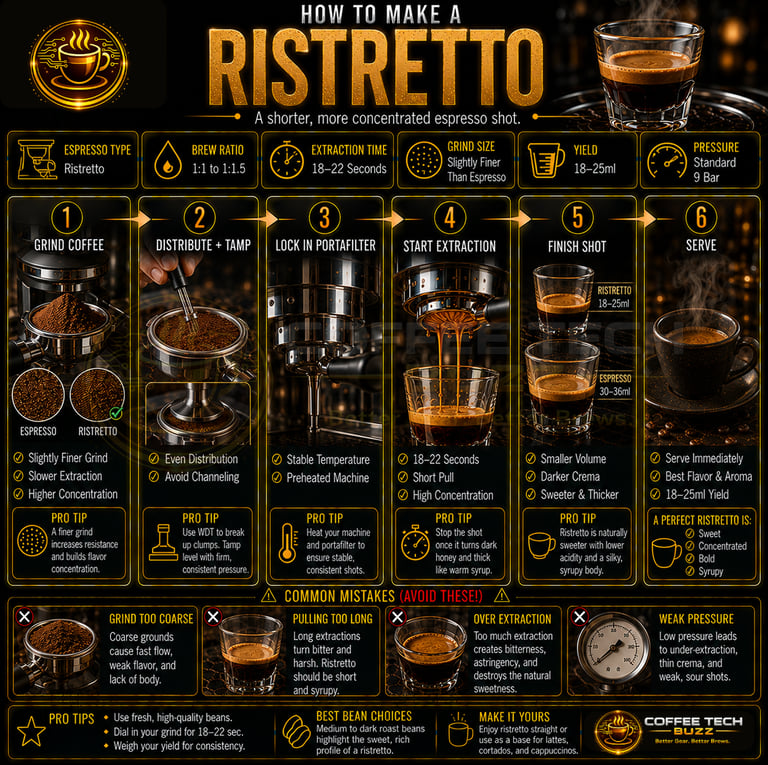
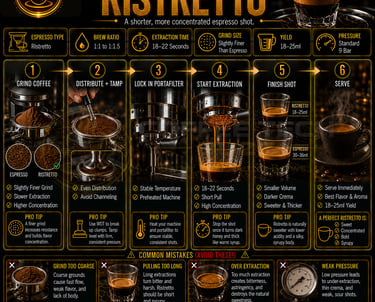
Ristretto is often described as a “shorter” espresso shot. Using less water during extraction creates a smaller, more concentrated drink with a syrupy body and slightly sweeter flavor profile. Many espresso enthusiasts love ristretto because it emphasizes richness and texture while reducing some of the bitterness longer extractions can create.
Flavor Profile:
Sweet, syrupy, intense
Milk Level:
None
Strength:
Very High
Origin:
Italy
Who This Drink Is For:
Espresso lovers who prefer dense flavor and heavy body.
Internal Link:
How to Make a Ristretto
Lungo
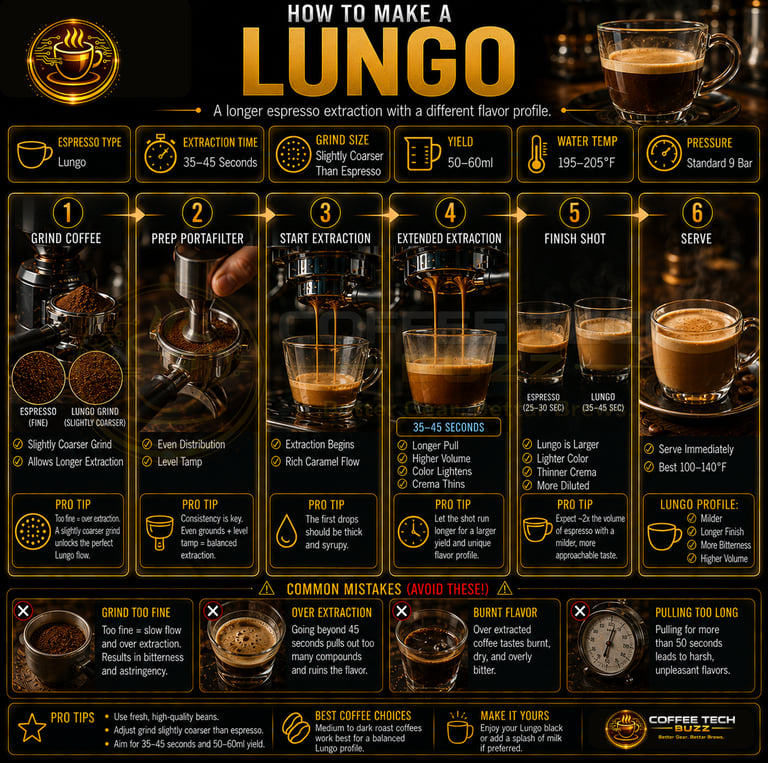
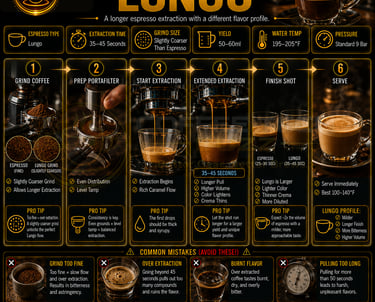
A lungo uses more water during extraction, creating a longer espresso shot with a thinner texture and more bitterness. While ristretto compresses the flavor, lungo stretches it out, pulling additional compounds from the coffee grounds during brewing.
Flavor Profile:
Bold, smoky, slightly bitter
Milk Level:
None
Strength:
High
Origin:
Italy
Who This Drink Is For:
Coffee drinkers who enjoy longer espresso shots with more volume.
Internal Link:
Lungo vs Espresso Explained
Macchiato
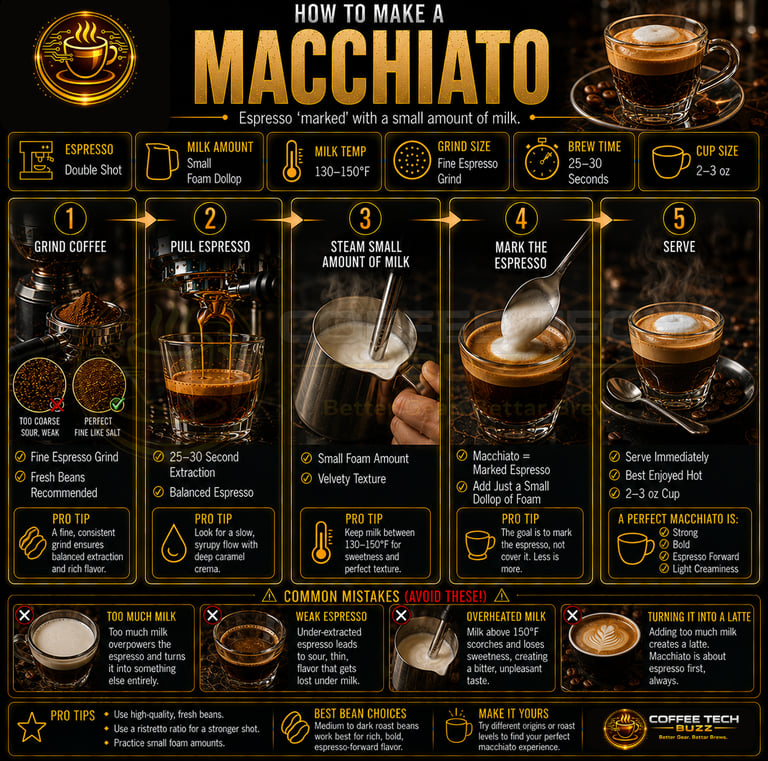
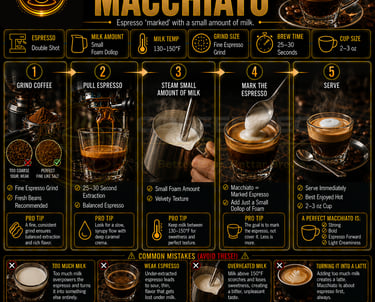
The traditional Italian macchiato is much smaller than many modern café versions. Built from espresso with only a small amount of steamed milk or foam, the macchiato slightly softens espresso intensity without overpowering the coffee itself.
Flavor Profile:
Rich espresso with slight creaminess
Milk Level:
Low
Strength:
High
Origin:
Italy
Who This Drink Is For:
People who want espresso strength with just a touch of milk balance.
Internal Link:
What Is a Traditional Macchiato?
Cappuccino
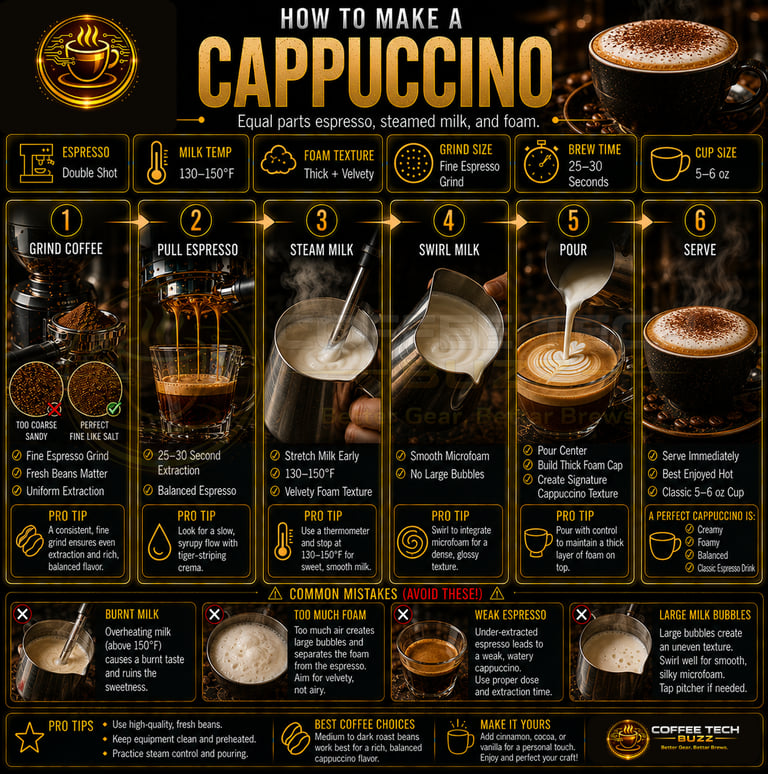
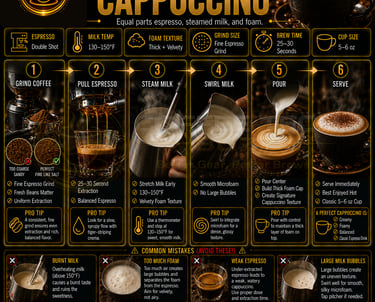
One of the most famous coffee drinks in the world, the cappuccino combines espresso, steamed milk, and thick milk foam in balanced proportions. In Italy, cappuccinos are traditionally consumed during breakfast hours rather than later in the day.
Flavor Profile:
Creamy, balanced, smooth
Milk Level:
Medium
Strength:
Medium
Origin:
Italy
Who This Drink Is For:
Coffee drinkers who enjoy balanced milk texture and espresso flavor.
Internal Link:
How to Make a Cappuccino
Marocchino
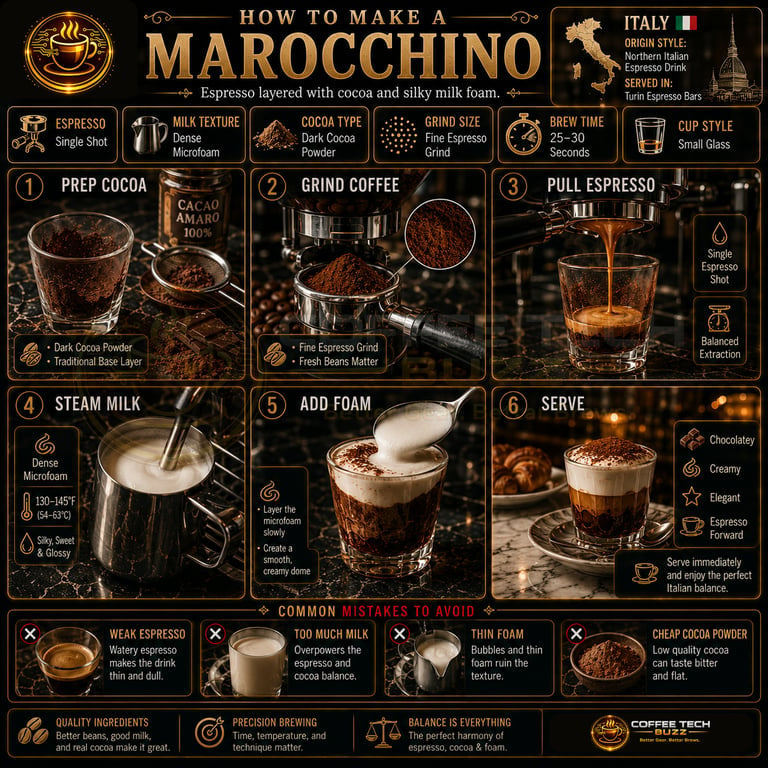
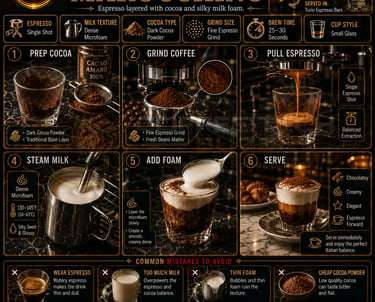
The marocchino is a smaller layered espresso drink made with espresso, cocoa powder, milk foam, and sometimes chocolate syrup. It delivers a richer dessert-like profile while still preserving the espresso base underneath.
Flavor Profile:
Chocolatey, creamy, lightly sweet
Milk Level:
Low-Medium
Strength:
Medium
Origin:
Italy
Who This Drink Is For:
Espresso drinkers looking for a sweeter café-style experience.
Internal Link:
What Is a Marocchino?
Affogato
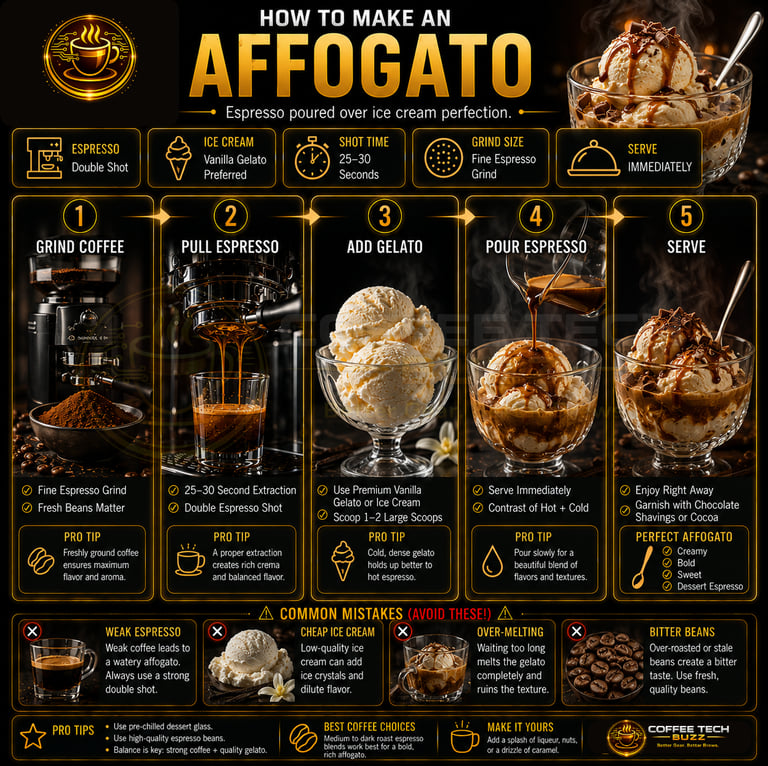
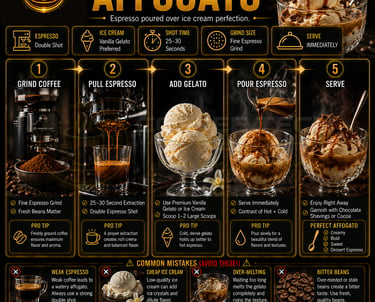
Affogato blends espresso with dessert by pouring a fresh espresso shot directly over vanilla gelato or ice cream. The hot espresso melts the frozen dessert, creating a creamy mixture of bitterness and sweetness.
Flavor Profile:
Sweet, creamy, rich
Milk Level:
Dessert-based
Strength:
Medium
Origin:
Italy
Who This Drink Is For:
Coffee lovers who enjoy dessert-forward espresso drinks.
Internal Link:
How to Make an Affogato
Shakerato

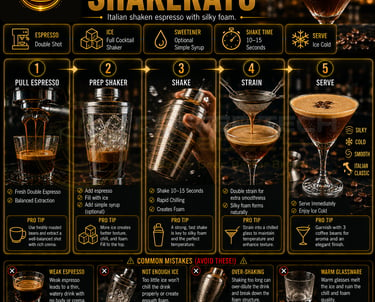
A shakerato is one of Italy’s most refreshing espresso drinks. Fresh espresso is shaken vigorously with ice and sometimes sugar before being strained into a chilled glass. The shaking process creates a silky foam layer and smooth texture.
Flavor Profile:
Smooth, chilled, refreshing
Milk Level:
None
Strength:
Medium-High
Origin:
Italy
Who This Drink Is For:
People who enjoy iced espresso drinks without heavy milk.
Internal Link:
What Is a Shakerato?
Caffè Corretto
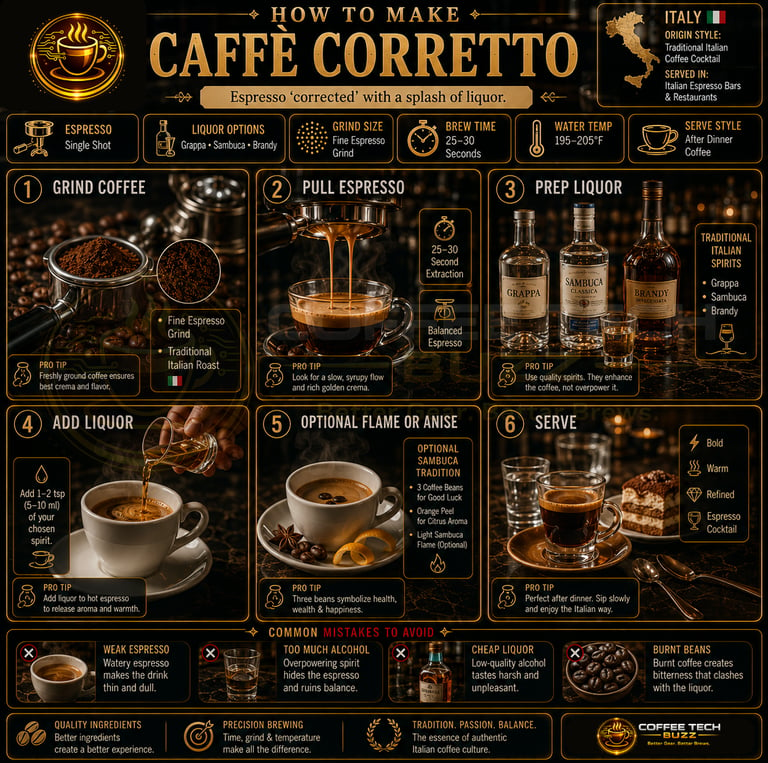
Caffè corretto combines espresso with a small amount of liquor, often grappa, sambuca, or brandy. The alcohol slightly changes the aroma and warmth of the espresso while maintaining its concentrated profile.
Flavor Profile:
Warm, sharp, slightly sweet
Milk Level:
None
Strength:
Very High
Origin:
Italy
Who This Drink Is For:
Coffee drinkers looking for a stronger after-dinner espresso experience.
Internal Link:
Caffè Corretto Explained
Espresso Romano
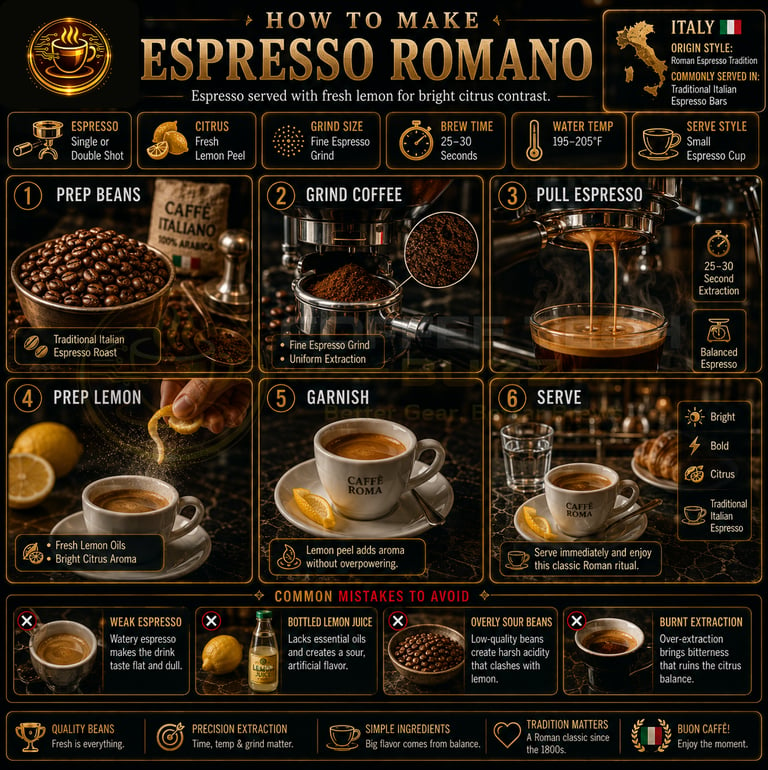
Espresso Romano pairs espresso with a slice of lemon or lemon peel. While debated among coffee enthusiasts, the citrus element adds brightness and aromatic contrast to the espresso’s bitterness.
Flavor Profile:
Bright, citrusy, bold
Milk Level:
None
Strength:
High
Origin:
Italy
Who This Drink Is For:
Adventurous espresso drinkers who enjoy unusual flavor combinations.
Internal Link:
What Is Espresso Romano?
Why Iced Espresso Drinks Became So Popular


Iced espresso drinks became popular because they combine strong coffee flavor with refreshment, customization, and convenience. As café culture expanded, coffee shops started creating cold espresso drinks that were easier to carry, sip slowly, and personalize with different milk options, syrups, and flavors.
Summer coffee trends also helped fuel their growth. Drinks like iced lattes, shaken espressos, freddos, and espresso tonics allowed coffee lovers to enjoy espresso-based beverages without the heaviness of traditional hot drinks.
Milk alternatives like oat milk and almond milk pushed iced espresso drinks even further into mainstream café culture. Cold espresso beverages also became extremely popular on social media because layered milk, crema, caramel drizzles, cold foam, and shaken textures create visually striking drinks.
Modern iced espresso drinks now blend:
café culture
portability
customization
milk alternatives
espresso craftsmanship
social media appeal
Today, iced espresso beverages are one of the biggest parts of modern specialty coffee culture worldwide.
Frequently Asked Questions About
Iced Espresso Drinks
Does iced espresso taste stronger?
Iced espresso can taste stronger because cold temperatures reduce perceived sweetness while emphasizing bitterness and roast intensity. Since many iced espresso drinks use less dilution than standard iced coffee, espresso flavor often becomes more concentrated and noticeable.
Why does espresso become bitter over ice?
Espresso can become bitter over ice when hot espresso rapidly melts ice cubes and creates uneven dilution. Poor extraction, overly dark roasts, stale beans, or small ice cubes can also intensify bitterness in iced drinks.
What’s the difference between iced coffee and iced espresso?
Iced coffee is usually brewed as regular drip coffee and then chilled or poured over ice. Iced espresso drinks use concentrated espresso shots as the base, creating stronger flavor, thicker body, richer crema, and more café-style texture.
Why do shaken espressos taste smoother?
Shaking espresso with ice rapidly chills the drink while introducing aeration and microfoam. This softens bitterness, improves texture, and creates a smoother mouthfeel compared to simply pouring espresso over ice.
What milk works best for iced espresso drinks?
Whole milk creates the creamiest texture and balances espresso bitterness well, while oat milk has become extremely popular for its naturally sweet flavor and smooth consistency. Almond milk, coconut milk, and skim milk all produce different flavor profiles and body textures.
Can you make iced espresso without an espresso machine?
Yes. While traditional espresso machines create the most authentic results, strong coffee concentrates from moka pots, AeroPress brewers, or concentrated cold brew can create similar iced espresso-style drinks at home.
Why do cafés use large ice cubes?
Large ice cubes melt slower than smaller cubes, helping preserve espresso concentration and preventing drinks from becoming watery too quickly. Dense commercial ice also maintains temperature better during longer café service times.
What is the smoothest iced espresso drink?
Many coffee drinkers consider iced lattes, freddo cappuccinos, and brown sugar shaken espressos among the smoothest iced espresso drinks because milk texture, shaking, and dilution help soften espresso sharpness.
Are iced espresso drinks less caffeinated?
Not necessarily. Many iced espresso drinks actually contain multiple espresso shots, meaning caffeine levels can equal or exceed hot espresso beverages depending on serving size and recipe construction.
What grind works best for iced espresso?
Fine espresso grind settings work best for traditional iced espresso drinks because proper extraction is still critical before chilling the espresso. Grind consistency becomes even more important when drinks contain minimal milk or dilution.
Final Thoughts
Iced espresso drinks are more than just cold coffee—they’re a balance of extraction, dilution, texture, milk, and temperature working together in a single glass. Small changes in grind size, espresso strength, ice quality, or milk texture can completely change the final flavor experience.
From simple iced americanos to layered caramel macchiatos and shaken espresso drinks, every style builds from the same espresso foundation while creating a different balance of sweetness, strength, body, and refreshment.
For many coffee enthusiasts, iced espresso drinks became the perfect mix of café culture and espresso craftsmanship. They’re customizable, refreshing, portable, and easy to adapt for different brewing styles, milk options, and flavor preferences.
Once you understand how espresso interacts with ice, milk, shaking, and dilution, making café-quality iced drinks at home becomes far more consistent and enjoyable.
Better iced espresso usually doesn’t come from adding more syrup—it comes from:
stronger extraction
fresher beans
proper ice
balanced milk ratios
repeatable workflow
Because when the espresso foundation improves, every iced drink built on top of it improves too.
Contact@TheBuzzHQ.com
© 2026 Coffee Tech Buzz. All rights reserved.
Coffee Tech Buzz
Smarter brewing through better gear, clearer insights, and real-world performance testing.
Built for home users who want consistency without guesswork.
We focus on how machines actually perform — not just what they claim.
Home
Coffee Equipment Guide
Coffee Makers & Machines
Coffee Grinders
Espresso Gear & Guides
Coffee Beans & Roasts
Coffee Accessories & Tools
For educational purposes only.
We may earn commissions from qualifying purchases.
General Inquiries: