
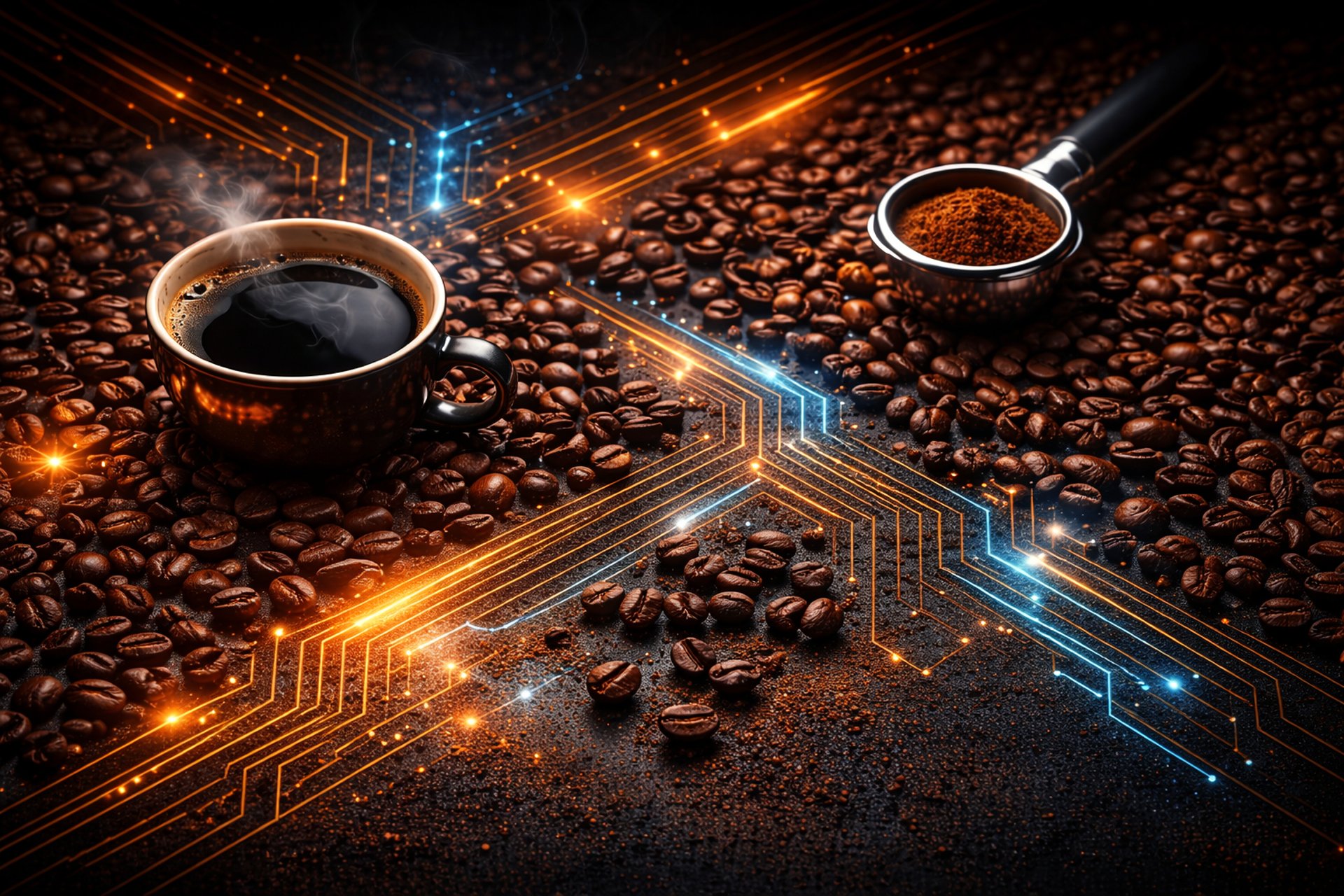
Espresso Drinks
Espresso drinks are the foundation of modern coffee culture. From traditional Italian espresso shots to layered milk-based café drinks, espresso serves as the base for hundreds of coffee beverages enjoyed around the world. Whether you prefer bold straight espresso, creamy milk drinks, iced espresso beverages, or dessert-style creations, understanding espresso drink styles helps you build better coffee recipes, improve brewing technique, and choose the right equipment for your setup.
Unlike standard drip coffee, espresso is brewed under high pressure using finely ground coffee. This concentrated brewing method creates rich flavor, heavy aroma, crema, and a stronger body that supports a wide range of drink combinations. Small changes in milk texture, extraction ratio, water volume, flavor additions, and serving style can completely transform the final drink.
Modern espresso culture has expanded far beyond traditional Italian cafés. Specialty coffee shops now serve espresso drinks inspired by regional traditions from Italy, Spain, Vietnam, Greece, Mexico, and other coffee-focused cultures around the world. At the same time, home espresso enthusiasts continue experimenting with grinders, brew ratios, pressure profiling, milk steaming, and recipe customization to recreate café-quality drinks at home.
This guide explores the major categories of espresso drinks, how they differ, and where to start based on your flavor preferences and brewing goals. Whether you prefer bold straight espresso, creamy milk drinks, or dessert-style creations, understanding espresso drink styles helps you build better coffee recipes, improve brewing technique, and choose the right equipment using our Espresso Gear & Guides hub.
What Are Espresso Drinks?
Espresso drinks are coffee beverages built around one or more espresso shots. Some drinks highlight pure espresso flavor with little or no milk, while others combine espresso with steamed milk, foam, water, syrups, cream, spices, ice, or even desserts.
Most espresso drinks fall into a few core categories:
Straight Espresso Drinks
Milk-Based Espresso Drinks
Iced Espresso Drinks
Dessert Espresso Drinks
Regional & Cultural Espresso Drinks
Modern Specialty Espresso Drinks
Many of these drinks evolved from traditional Italian café culture, which you can explore further in our Italian Espresso Drinks guide.
Although many drinks use similar ingredients, small differences in milk texture, extraction size, dilution, or layering create completely different flavor experiences.
Learning espresso drinks teaches more than recipes. Each drink style helps explain important espresso concepts like:
extraction balance
brew ratios
crema development
milk steaming
foam texture
dilution
flavor layering
espresso strength
drink construction
Many espresso drinks were designed to solve specific flavor goals. Some soften bitterness with milk. Others increase sweetness through shorter extractions. Some dilute espresso for easier drinking while maintaining aroma and body.
Understanding these drink styles helps coffee enthusiasts improve consistency while learning how espresso variables affect taste. Many extraction problems that affect espresso drinks — including bitterness, sourness, and weak crema — are explained in our guides on Why Espresso Tastes Bitter or Sour and Why Crema Matters.
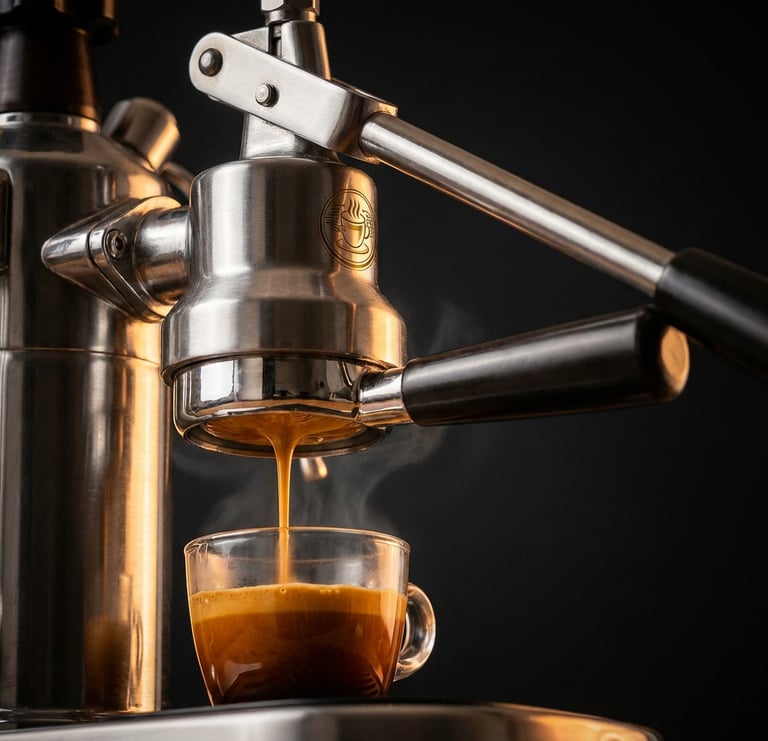
Why Espresso Drinks Matter
Explore Espresso Drink Categories
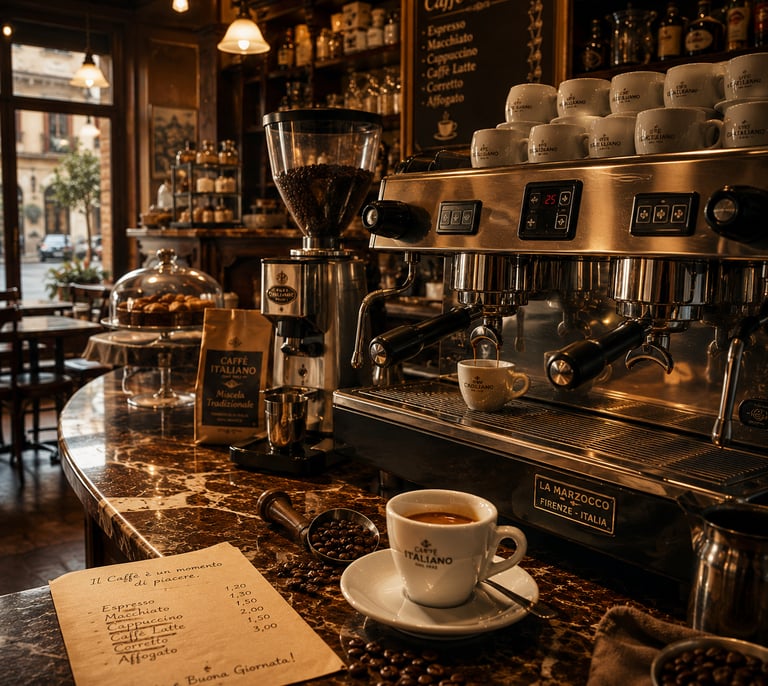
Italian Espresso Drinks
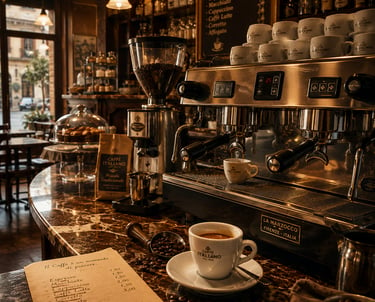
Traditional Italian espresso culture shaped modern café coffee around the world. These drinks focus on balance, simplicity, smaller serving sizes, and espresso-forward flavor. Traditional drinks like the macchiato, ristretto, shakerato, and espresso romano all developed from classic Italian espresso culture and preparation techniques.
Drinks Include:
Espresso
This link will take you to How to Make Each from this list.
Italian Espresso Drinks
Milk-Based Espresso Drinks
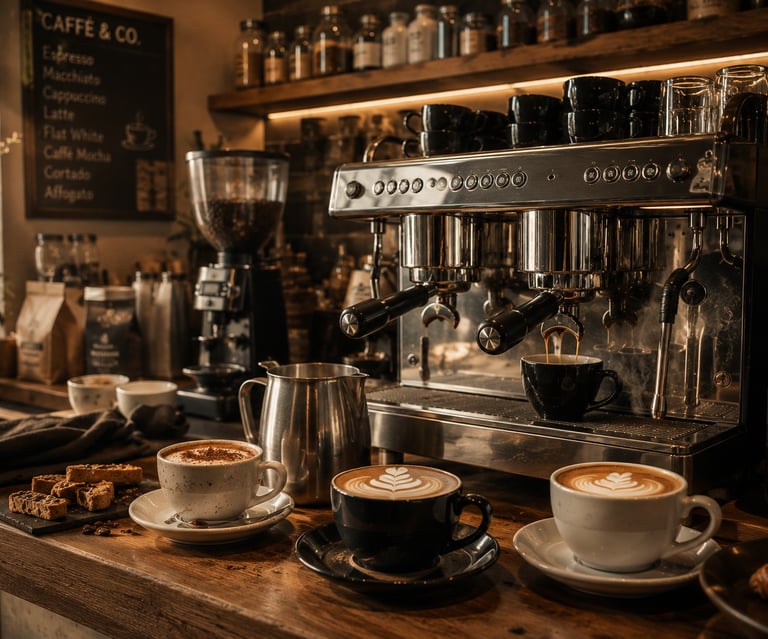

Milk-based espresso drinks are some of the most popular coffee beverages worldwide. These drinks vary primarily through milk ratio, foam texture, and espresso intensity. Milk steaming quality, espresso extraction balance, and drink texture all play major roles in drinks like cappuccinos, flat whites, cortados, and lattes.
Drinks Include:
Latte ⇒
Flat White vs Latte
Cortado ⇒
Breve ⇒
Mocha ⇒
Cappuccino ⇒
Piccolo Latte ⇒
Latte Macchiato ⇒
Milk-Based Espresso Drinks
Iced Espresso Drinks
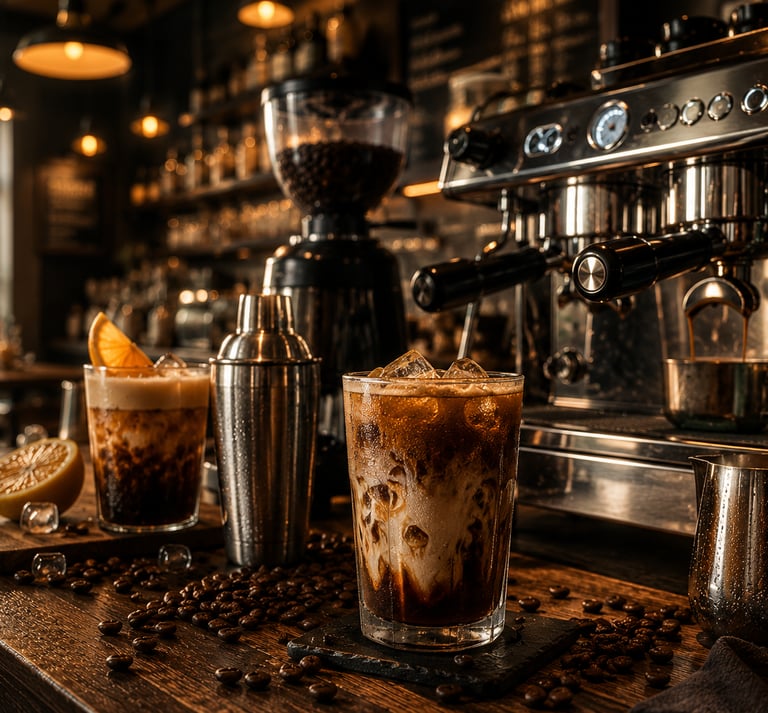
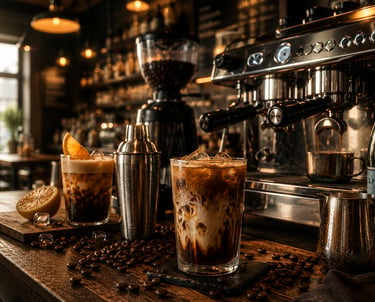
Iced espresso beverages focus on refreshment while maintaining espresso flavor and aroma. Ice, dilution, shaking, cold milk, and sweeteners all influence balance. Italian-inspired drinks like shakeratos helped inspire many modern iced espresso recipes served in cafés today.
Drinks Include:
Iced Latte vs Iced Coffee: What’s the Difference?
How to Make an Iced Americano
What Is an Espresso Tonic?
How to Make Vietnamese Iced Coffee
What Is a Freddo Espresso?
How to Make a Freddo Cappuccino at Home
How to Make a Spanish Latte
How to Make an Iced Dirty Chai Latte
How to Make an Iced Caramel Macchiato
How to Make a Brown Sugar Shaken Espresso
Dessert Espresso Drinks
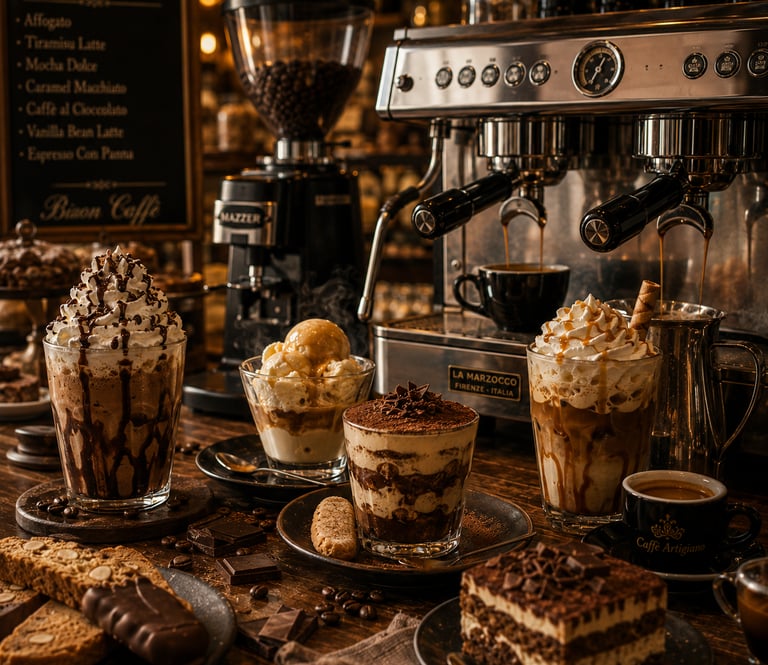
Dessert-style espresso drinks combine coffee with sweetness, creaminess, chocolate, spices, whipped toppings, or frozen desserts. Many modern café dessert drinks evolved from traditional espresso recipes before expanding into flavored lattes, whipped drinks, and frozen espresso desserts.
Drinks Include:
Affogato ⇒
Nutella Coffee ⇒
Tiramisu Latte ⇒
Crème Brûlée Latte ⇒
Mocha ⇒
Espresso Con Panna ⇒
Coffee Frappé ⇒
Dessert Espresso Drinks
Coffee Drinks Around The World
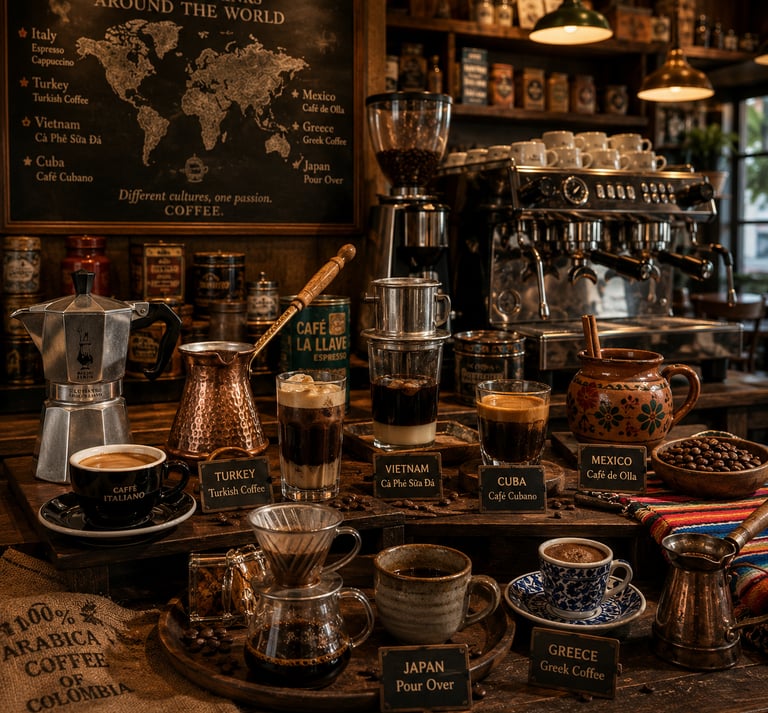
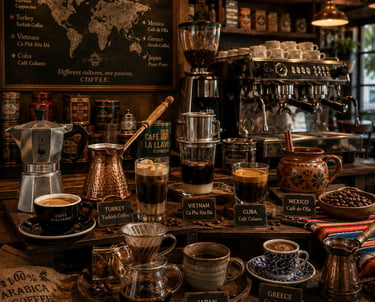
Many countries developed unique espresso and coffee traditions that reflect local culture, ingredients, café habits, and brewing styles. Italian espresso culture remains one of the strongest influences on modern café menus, milk drinks, and specialty espresso preparation worldwide.
Regions Include:
Italian Coffee Drinks ⇒
Spanish Coffee Drinks ⇒
Vietnamese Coffee Drinks ⇒
Greek Coffee Drinks ⇒
Mexican Coffee Drinks ⇒
Turkish Coffee Drinks ⇒
Cuban Coffee Drinks ⇒
Coffee Drinks Around The World
Choosing The Right Espresso Drink For You
Different espresso drinks fit different flavor preferences and experience levels. If you are new to espresso drinks and café-style brewing, our guide to the Best Espresso Drinks for Beginners can help you decide where to start.
Best For Strong Coffee Flavor
Espresso
Ristretto
Macchiato
Cortado
Best For Creamy Texture
Latte
Flat White
Cappuccino
Breve
Best For Sweet Coffee Drinks
Mocha
Affogato
Nutella Coffee
Crème Brûlée Latte
Best For Refreshing Iced Drinks
Espresso Tonic
Iced Americano
Shakerato
Freddo Espresso
Best For Beginners
Latte
Cappuccino
Mocha
Iced Latte
Best For Espresso Enthusiasts
Ristretto
Cortado
Flat White
Traditional Macchiato
These drinks highlight espresso quality, extraction balance, milk texture, and puck preparation more aggressively than larger milk-heavy café drinks. Small mistakes become easier to notice, making these favorites among experienced espresso enthusiasts and home baristas focused on technique and consistency.
Straight Espresso vs Milk Drinks
Straight espresso drinks highlight extraction quality, grind consistency, and bean flavor more aggressively because there is little dilution or milk sweetness masking imperfections. Smaller espresso-forward drinks make it easier to notice bitterness, sourness, channeling, temperature imbalance, and grind inconsistencies during brewing.
Milk-based drinks change mouthfeel, sweetness perception, bitterness balance, and texture. The same espresso recipe can taste dramatically different once paired with milk foam or steamed milk. Even small changes in milk aeration, foam density, and milk temperature can completely alter the final drink experience.
This is one reason milk steaming technique remains one of the most important skills in espresso preparation. Drinks like cappuccinos, flat whites, cortados, and lattes all rely on different milk textures and espresso-to-milk ratios to create balance.
Many espresso enthusiasts recommend learning straight espresso first because it helps develop a better understanding of extraction theory, puck preparation, shot timing, and flavor balance before introducing milk into the workflow.
Espresso Equipment Shapes Every Drink
Even the best espresso recipe depends heavily on equipment quality and workflow consistency.
Key factors include:
grinder precision
espresso machine stability
water temperature
puck preparation
milk steaming capability
extraction timing
fresh coffee beans
Many flavor problems blamed on recipes actually come from poor extraction or inconsistent grinding.
Internal Links:
Best Espresso Machines
Best Espresso Grinders
Best Espresso Machines for Beginners
Complete Espresso Grinder Guide
Learning drink construction alongside espresso fundamentals can dramatically improve consistency, milk steaming control, and extraction quality at home.
Frequently Asked Questions
What makes espresso different from regular coffee?
Espresso is brewed using high pressure and finely ground coffee, creating a concentrated shot with rich flavor, crema, and heavier body. Regular drip coffee uses gravity and a longer brew time, resulting in a lighter texture and less concentrated flavor.
What is the difference between a ristretto and a lungo?
A ristretto uses less water during extraction, creating a shorter and more concentrated shot with intense flavor. A lungo uses more water, producing a larger espresso with slightly lighter body and more bitterness.
Which espresso drink has the most caffeine?
Larger espresso drinks with multiple shots, such as Americanos or triple-shot lattes, often contain the most caffeine overall. Straight espresso tastes stronger, but total caffeine depends on shot count and serving size.
Why do some espresso drinks use microfoam?
Microfoam creates a smoother, creamier texture that blends naturally with espresso. It helps improve mouthfeel, sweetness perception, and overall balance in drinks like cappuccinos, flat whites, and lattes.
What espresso drink is best for beginners?
Lattes and cappuccinos are usually best for beginners because steamed milk softens espresso bitterness while still allowing coffee flavor to come through.
Why are Italian espresso drinks smaller than American coffee drinks?
Traditional Italian espresso culture focuses on concentrated flavor, fast service, and balanced extraction rather than oversized servings. Most Italian espresso drinks are designed to highlight espresso instead of masking it with excess milk or syrups.
Can you make espresso drinks without a traditional espresso machine?
Yes. Moka pots, AeroPress recipes, manual espresso makers, and some pod machines can create espresso-style coffee drinks at home, although they may not fully replicate commercial espresso pressure.
What milk works best for espresso drinks?
Whole milk is commonly preferred because it creates smooth microfoam and natural sweetness. However, oat milk has become one of the most popular non-dairy options due to its creamy texture and steaming performance.
Why do espresso drinks taste different at different cafés?
Flavor differences often come from bean selection, roast level, grinder quality, extraction ratios, water chemistry, milk steaming technique, and machine calibration. Even small recipe adjustments can dramatically change flavor balance.
What is the easiest espresso drink to make at home?
An Americano or latte is often easiest for beginners because the recipes are forgiving and require less precision than smaller traditional drinks like cortados or macchiatos.
Final Thoughts
Espresso drinks continue evolving as coffee culture grows around the world. From traditional Italian espresso bars to modern specialty cafés, espresso remains one of the most versatile brewing foundations in coffee.
Learning espresso drink styles helps coffee enthusiasts understand extraction, texture, milk balance, flavor development, and café workflow at a much deeper level. Whether you prefer straight espresso shots or layered dessert drinks, mastering espresso fundamentals creates a better coffee experience across every category.
Whether you enjoy classic Italian espresso recipes, modern milk drinks, or dessert-inspired café beverages, learning how espresso drinks are built helps improve brewing confidence and overall coffee quality.
Contact@TheBuzzHQ.com
© 2026 Coffee Tech Buzz. All rights reserved.
Coffee Tech Buzz
Smarter brewing through better gear, clearer insights, and real-world performance testing.
Built for home users who want consistency without guesswork.
We focus on how machines actually perform — not just what they claim.
Home
Coffee Equipment Guide
Coffee Makers & Machines
Coffee Grinders
Espresso Gear & Guides
Coffee Beans & Roasts
Coffee Accessories & Tools
For educational purposes only.
We may earn commissions from qualifying purchases.
General Inquiries: