
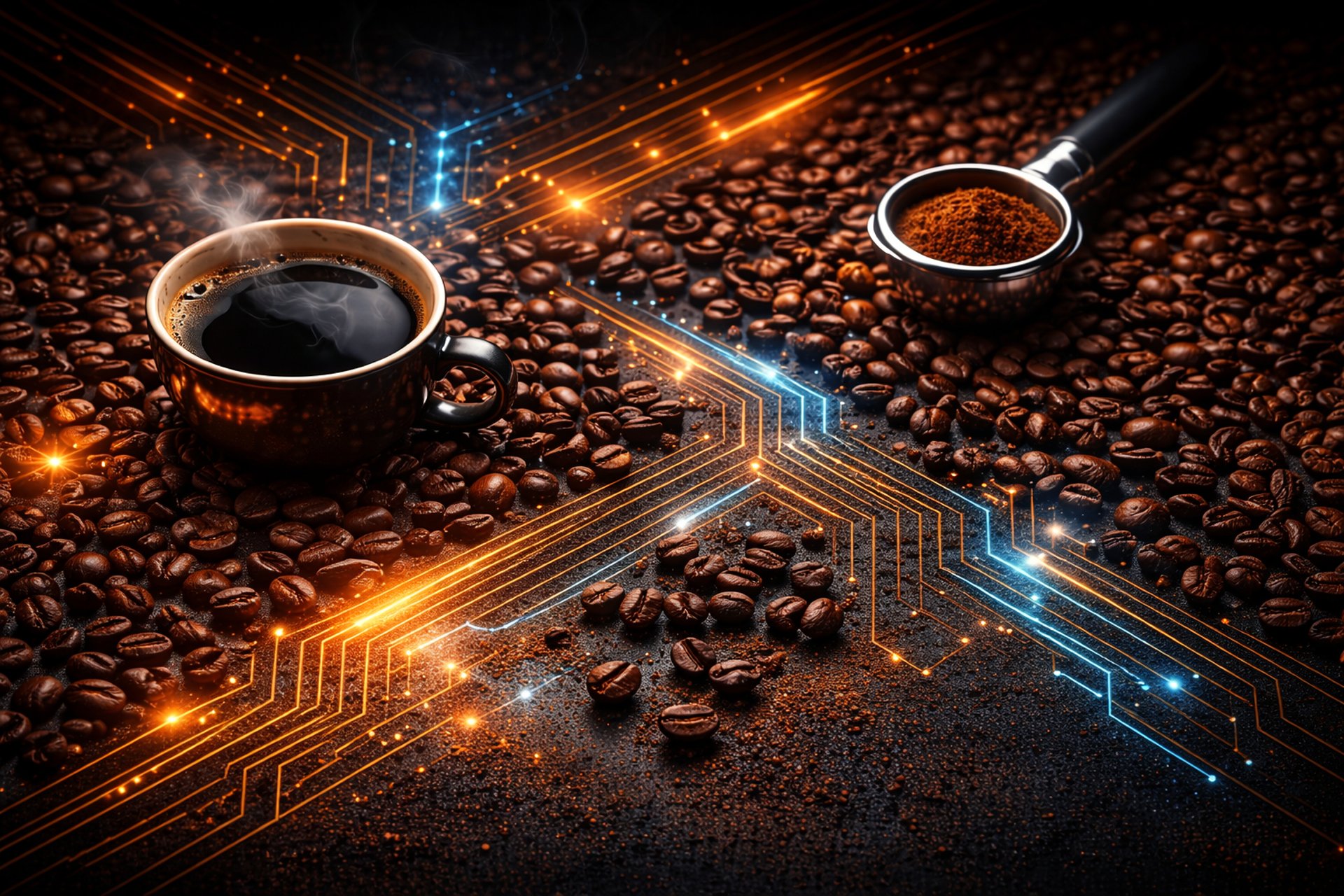
Best Espresso Drinks for Beginners
Explore simple espresso drinks perfect for beginners and learn essential tips to master espresso basics for a smooth, consistent home coffee routine.
ESPRESSO
The Coffee Tech Buzz Editorial Team - Led by AJ “Buzz” Eichman
5/17/20267 min read
Espresso drinks can feel intimidating when you're just getting started. The concentrated shot, the steaming milk, the precise timing—it all sounds like a lot to handle before your morning coffee kicks in. But the truth is, some espresso drinks are straightforward enough for anyone to make consistently at home, without fuss or fancy gadgets. The key is to focus on simple recipes that fit smoothly into your routine and let you build up basic skills without overcomplicating things. If you keep it practical and remember that daily use beats flawless theory every time, espresso can become a reliable part of your coffee habit.
Quick Verdict
Starting with basic espresso drinks like the espresso shot, americano, and cappuccino helps you get comfortable with the brewing process.
Consistency matters more than precision; keeping grind size and tamping even will improve your shots faster than chasing perfect numbers.
Learning to steam milk well takes practice, but aiming for good texture and temperature is more useful than perfect microfoam at first.
Choose equipment that matches your experience and budget to avoid getting stuck with gear that's too complex or prone to frustration.
What Is Espresso? A Beginner’s Explanation
At its simplest, espresso is coffee brewed by forcing hot water through finely ground beans under pressure. This process extracts a concentrated shot that’s thicker and more intense than drip coffee. While the idea sounds technical, the everyday goal is to pull a shot that tastes balanced and consistent without needing an engineering degree.
For most beginners, espresso is less about chasing perfect crema or exact extraction times and more about getting comfortable with the core workflow: grinding, dosing, tamping, and brewing. Once you’re steady with these basics, you can start exploring simple espresso drinks that blend shots with water or milk.
For coffee enthusiasts learning espresso fundamentals and café drink structure, both Espresso Drinks and the Complete Espresso Guide provide a strong foundation before moving into more advanced recipes.
Key Brewing Variables for Espresso
There are a few key factors that shape your espresso’s flavor and consistency. You don’t need to obsess over them but understanding how they work together helps you know what to adjust when your shot isn’t working.
Grind Size
Espresso grind is very fine—think powdery but not so fine it clogs your machine. Too coarse leads to weak, sour shots; too fine causes bitter, over-extracted flavors.
Dose
The amount of coffee you use matters. Usually between 14–18 grams per shot, but this depends on your basket size and machine. Consistent dosing helps keep shots predictable.
Tamping
Pressing the coffee puck evenly with about 30 pounds of pressure is crucial. Uneven tamping lets water flow too fast or too slow, resulting in under- or over-extraction.
Water Temperature and Brew Time
Ideally your water sits between 90–96°C (194–205°F), and brew time falls around 25–30 seconds for 25–30 ml of espresso. Too hot or time variations affect taste but aren’t the first thing to fix when starting out.
Most extraction issues beginners encounter are explained further in Why Espresso Tastes Bitter or Sour.
Top 5 Espresso Drinks for Beginners
Choosing your first espresso drinks is about keeping it simple and focusing on what you’ll actually enjoy making daily.
Espresso Shot (Solo or Doppio)
The purest form and most straightforward to prepare. It’s one shot (solo) or two shots (doppio) of espresso. That’s it. No fluff, just coffee. This helps you learn the shot basics and get a feel for your machine’s quirks.
Americano
An espresso shot diluted with hot water, usually in a 1:2 or 1:3 ratio. It’s similar in strength to drip coffee but carries espresso’s flavor character. Easy to make, requires no milk steaming, and a great step up from pure espresso.
Cappuccino
A balanced combo of one shot espresso, steamed milk, and milk foam, usually in equal proportions. There’s a bit of a learning curve with milk frothing but starting with a simple cappuccino gets you practicing texture and temperature control without complicated latte art.
Milk steaming and foam texture are covered much deeper in How to Make a Cappuccino.
Macchiato
An espresso “stained” with a small dollop of frothy milk. It’s a good bridge between straight espresso and milk drinks, requiring less milk and simpler steaming.
Coffee enthusiasts exploring traditional espresso drinks often branch into guides like What Is a Traditional Macchiato?
Latte
Bigger on milk with a gentle espresso foundation. While lattes are popular, they require more reliable steaming and frothing, so hold off until you’re steady with shorter milk drinks.
People newer to milk-based espresso drinks often compare latte styles and texture differences in Flat White vs Latte.
Milk Texture and Steaming Basics
Mastering milk steaming is often the biggest hurdle for beginners. It’s tempting to try fancy latte art right away, but focusing on texture and temperature is a better use of your time.
Your goal is silky, smooth microfoam—tiny, uniform bubbles that give milk a glossy feel. Properly aerating the milk by introducing just enough air at the start, then heating up to about 60–65°C (140–149°F) without scorching, produces that texture.
Over time, you’ll sense when the milk is ready by weight, sound, and feel rather than needing a thermometer every time. For simpler drinks like cappuccinos or macchiatos, the foam layer thickness and texture matter more than artistic presentation.
Crema quality and espresso balance also play a major role in beginner espresso drinks, which is one reason many home baristas eventually study Why Crema Matters.
Common Beginner Mistakes and How to Avoid Them
Many novices dive in with good intentions but stumble over common pitfalls that slow progress or produce frustrating results.
Pre-Ground Coffee
Using coffee ground earlier is convenient but loses freshness and often leads to dull or sour shots. Freshly grinding beans right before brewing impacts taste dramatically and is worth the effort.
Inconsistent Tamping Pressure
Pressing too lightly or unevenly makes water channel through some areas faster, causing uneven extraction. Keep your tamp steady and level.
Wrong Grind Size
If your shot pours too fast or drips slowly, adjust grind size in small steps. It’s easier to fix than changing other variables at first.
Ignoring Milk Temperature
Scorching milk or not steaming enough leaves sour or flat taste. Aim for the right temperature range, and your milk-based drinks improve noticeably.
Skipping Equipment Cleaning
Old coffee oils and residue build up quickly, affecting taste and machine performance. Regular basic cleaning keeps your setup running smoothly.
Starting with Complex Recipes Too Soon
It’s tempting to try all the espresso cocktails or layered drinks, but mastering the basics first leads to better results and less wasted coffee.
Choosing the Right Equipment for Your Skill Level
You don’t have to break the bank to get started with espresso, but your choice of machine and grinder will influence how easy and consistent your morning routine is.
Entry-Level Machines with Built-In Grinders
These are popular for beginners because they simplify workflow. Grinding, dosing, tamping, and brewing happen seamlessly, reducing points of failure. They might have limited customizability but can deliver good shots with minimal hassle.
Manual Espresso Machines and Separate Grinders
Ideal for those who enjoy adjusting variables like grind size and tamp pressure manually. This path requires more practice but offers greater control and learning. If you go this route, invest in a good burr grinder designed for espresso to get consistent grind sizes.
Budget Considerations
Don’t overspend on features you won’t use or that add complexity. A straightforward machine that you use daily beats a high-end device that sits idle because it’s intimidating.
Many beginners improve consistency dramatically after upgrading equipment discussed in Espresso Gear & Guides and Best Espresso Grinders for Beginners.
Tips for Consistent Espresso at Home
Routine and consistency become your best tools once you have a decent setup. Try to stick with the same beans, dose, grind setting, and workflow steps most days. This predictability lets your muscle memory guide the process, reducing errors from rushing or guessing.
Keep notes if you like—small changes in grind or dose—and pay attention to how long your shots last and taste. It’s less about exact numbers and more about spotting trends so you can tweak your routine gradually.
If a shot tastes off, check freshness, tamping, and grind size first before chasing temperature or timing tweaks. Most beginners find the grind size and tamp to be the simplest levers that produce the biggest changes.
Cleaning and Maintenance for Longevity
It’s not glamorous, but regular cleaning is vital. Backflushing your machine, wiping portafilters, and cleaning grinder burrs keep the flavors pure and the machinery functioning properly.
Neglecting maintenance can lead to inconsistent extractions and even shorten your equipment’s lifespan. A quick daily rinse and weekly cleaning cycle fit easily into most routines and save headaches down the line.
For grinder upkeep, brushing out grounds after each use prevents clogs. If your machine has water filters or descaling needs, don’t skip those either.
Frequently Asked Questions
What are the easiest espresso drinks for beginners?
Start with the classic espresso shot, americano, and cappuccino. These drinks are simple, require minimal equipment or advanced skills, and build your basic espresso workflow.
How do I get a consistent espresso shot at home?
Consistency comes from stable grind size, prepared dose, level tamping, plus a steady routine. Use the same beans and settings, clean your equipment regularly, and adjust in small increments.
What grind size should I use for espresso?
Espresso grind is very fine, with a texture between powder and sand. Adjust based on how your shot flows: too fast means coarser, too slow means finer.
How important is milk frothing for espresso drinks?
For milk drinks like cappuccinos and lattes, texture and temperature of milk make a noticeable difference. Perfect microfoam isn’t essential at first, but silky, warm milk improves flavor and mouthfeel.
Can I use the same coffee beans for espresso and drip coffee?
You can, but espresso roasting and grind are different. Beans roasted darker often suit espresso better, but personal preference matters. Freshness and grinding just before brewing are key regardless.
How do brewing variables like temperature and time affect espresso taste?
Too hot water or long extraction leads to bitterness, while too cool or short shot can taste sour and weak. For home brewing, focus first on grind and dose consistency, then refine temperature and timing.
What equipment do beginners need to start making espresso?
At minimum, an espresso machine (entry-level or manual), a grinder capable of fine grind, and basic accessories like a tamper and milk frother. Pick gear that’s easy to use and maintain.
How often should I clean my espresso machine and grinder?
Wipe down portafilters and do a gentle rinse daily, backflush the machine weekly, and deep clean monthly. Clean grinder burrs and remove grounds after each use.
Practical Conclusion
Espresso isn’t meant to be complicated, even if the coffee world sometimes makes it seem that way. For beginners, the best espresso drinks are ones that slot into your daily routine without adding stress. Focusing on a handful of simple recipes like espresso shots, americanos, and cappuccinos will build fundamentals fast and keep your mornings smooth.
The gear you pick should support your pace and skill level, not stand in your way. Consistent grinding, tamping, and cleaning habits matter far more than chasing technical perfection. With patience and practice, your home espresso will settle into a reliable rhythm that tastes good and feels effortless—exactly what daily coffee should be.
Contact@TheBuzzHQ.com
© 2026 Coffee Tech Buzz. All rights reserved.
Coffee Tech Buzz
Smarter brewing through better gear, clearer insights, and real-world performance testing.
Built for home users who want consistency without guesswork.
We focus on how machines actually perform — not just what they claim.
Home
Coffee Equipment Guide
Coffee Makers & Machines
Coffee Grinders
Espresso Gear & Guides
Coffee Beans & Roasts
Coffee Accessories & Tools
For educational purposes only.
We may earn commissions from qualifying purchases.
General Inquiries: