
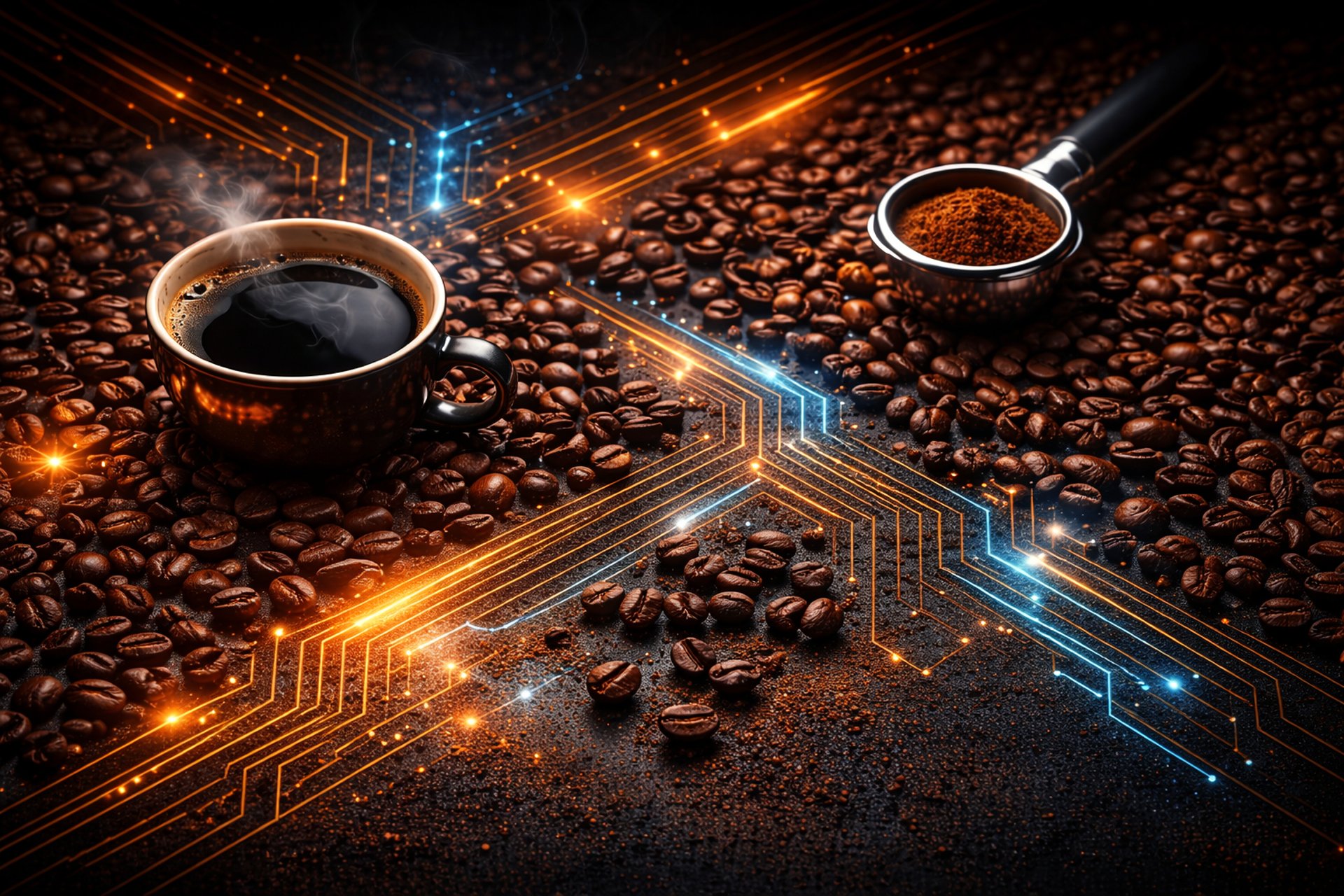
Light vs Dark Roast
Showdown
Light roast coffee highlights origin flavor and acidity, while dark roast focuses on body, bitterness, and ease of extraction.
Both can be used for espresso—but they behave very differently in the cup and during brewing.
This comparison breaks down flavor, performance, and which roast level actually fits your setup.
Roast level directly impacts extraction behavior within the full brewing system explained in Espresso.
Transparency Note: We may earn a commission from qualifying purchases. Product selections are made independently and are not influenced by manufacturers.
What Each Roast Is
Light Roast
Light roast coffee is roasted for a shorter time, preserving more of the bean’s original characteristics.
It typically has:
higher acidity
more complex flavor notes
lighter body
These beans retain more of their origin profile, making them more expressive but less forgiving.
These characteristics require tighter control over grind and extraction, especially when using setups from Best Coffee Grinders for Espresso.
Dark Roast
Dark roast coffee is roasted longer, developing deeper flavors and reducing acidity.
It typically has:
stronger body
lower acidity
more bitterness
Roasting masks some origin characteristics, creating a more consistent and bold profile.
Dark roasts tend to be more forgiving, especially when paired with consistent puck prep tools like Best Espresso Tampers.
THE SHOWDOWN
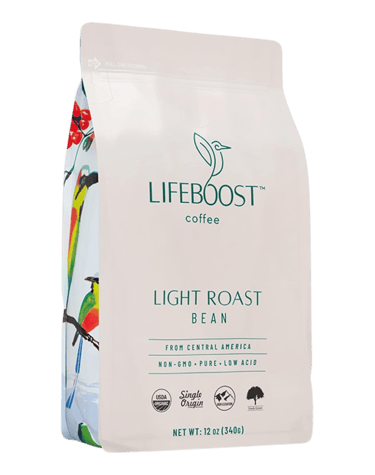
Lifeboost Light Roast
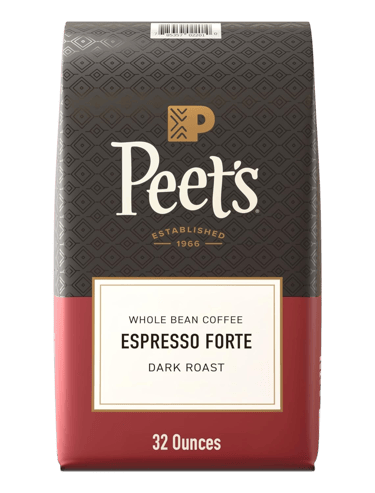
Peet's Espresso Forte
✓ Bright Acidity
✓ Flavor Clarity
✓ Smooth Finish
✓ Bold Body
✓ Low Acidity
✓ Rich Crema





Flavor Profile
Light roast → bright, complex, layered
Dark roast → bold, heavy, straightforward
Light roasts emphasize origin notes like fruit or floral tones. Dark roasts emphasize roast-driven flavors like chocolate, caramel, and smoke.
Extraction Difficulty
Light roast → harder to extract
Dark roast → easier to extract
Light roasts are denser and require finer grind and tighter control. Dark roasts extract more easily and are more forgiving.
This is why dialing in variables step-by-step is critical, as explained in How to Dial in Espresso.
Acidity vs Bitterness
Light roast → higher acidity, lower bitterness
Dark roast → lower acidity, higher bitterness
This directly affects taste preference and drink style.
These flavor differences are directly tied to extraction balance, which is broken down in Espresso Ratio Explained.
Crema Production
Light roast → thinner crema
Dark roast → thicker crema
Dark roasts produce more visible crema due to oil content and roast level.
Dark roasts can mask minor extraction issues but still benefit from proper measurement using tools from Best Espresso Scales.
Key Differences
Light Roast Espresso
Light roasts can produce highly detailed and complex shots.
However, they require:
precise grind control
stable temperature
careful dialing
When done correctly, they deliver clarity and layered flavor—but they are less forgiving.
Light roasts often expose issues like uneven extraction or channeling, which are discussed in Common Espresso Mistakes.
Dark Roast Espresso
Dark roasts are more stable and consistent.
They:
extract more easily
produce stronger body
work well in milk drinks
They are ideal for repeatable daily espresso without constant adjustment.
Ease of Use
Light Roast
Requires more dialing
Sensitive to variables
Less forgiving
Best for users who want control and are willing to fine-tune their workflow.
Dark Roast
Easy to work with
More forgiving
Consistent results
Best for users who prioritize simplicity and reliability.
Performance in Espresso
Which Roast Is Better for Espresso?
👉 It depends on your goal
Light roast → better for flavor complexity and experimentation
Dark roast → better for consistency and ease of use
There is no universal “better” option—only what fits your workflow and taste.
Best Use Cases
Choose Light Roast if:
You want complex, layered flavors
You enjoy dialing in espresso
You prefer brighter, more acidic profiles
Choose Dark Roast if:
You want bold, consistent shots
You make milk-based drinks
You prefer a simpler workflow
The choice also impacts how milk integrates into drinks, especially when using tools like Best Milk Frothing Pitchers.
Common Mistakes
Using Light Roast Without Adjusting
Light roasts require different grind and extraction settings. Treating them like dark roasts leads to sour shots.
This often leads to sour shots, especially when extraction isn’t adjusted properly as explained in Why Espresso Tastes Sour.
Assuming Dark Roast Means Lower Quality
Dark roast isn’t worse—it’s just a different profile. It prioritizes body and consistency over complexity.
Chasing Crema Alone
More crema doesn’t always mean better espresso. It’s a visual indicator, not a full measure of quality. Over-extraction in darker roasts can also introduce bitterness, which is covered in Why Espresso Tastes Bitter.
Frequently Asked Questions
Is light or dark roast better for espresso?
Neither is universally better. Light roasts offer more complex and bright flavors but are harder to extract. Dark roasts are easier to work with and provide bold, consistent results, making them better for most everyday espresso setups.
Why does light roast espresso taste sour?
Sourness usually comes from under-extraction. Light roasts are denser and require finer grind settings and precise control. If the shot runs too fast, the coffee won’t fully extract, resulting in a sour taste.
Why does dark roast espresso taste bitter?
Bitterness typically comes from over-extraction or the roast itself. Dark roasts extract easily, so if the grind is too fine or the shot runs too long, bitterness becomes more pronounced.
Do light roasts have more caffeine than dark roasts?
The difference is minimal. Light roasts may retain slightly more caffeine by weight, but in espresso shots, the difference is not significant enough to impact most users.
Which roast level is better for milk drinks?
Dark roasts are usually better for milk-based drinks. Their stronger body and bold flavors cut through milk more effectively, while light roasts can get lost or taste too sharp when combined with milk.
Are light roasts harder to dial in for espresso?
Yes. Light roasts require tighter control over grind size, temperature, and extraction time. Small mistakes are more noticeable compared to darker roasts, which are more forgiving.
Does roast level affect crema?
Yes. Dark roasts typically produce more crema due to higher oil content and roasting characteristics. Light roasts produce less crema and a thinner layer overall.
Can I switch between light and dark roasts without adjusting settings?
No. Different roast levels require different grind sizes and dialing adjustments. Using the same settings will usually result in poor extraction and unbalanced flavor.
Final Verdict
Light and dark roasts serve different purposes.
Light roast offers complexity and clarity, but requires precision and control.
Dark roast offers consistency and ease, making it better for daily espresso and milk drinks.
If you want to experiment and refine your skills, go light.
If you want reliable, repeatable results, go dark.
Choosing the right roast is only part of the equation—pairing it with proper prep techniques like WDT Tool vs Distributor helps ensure consistent results.
The best choice is the one that fits how you actually brew.
Contact@TheBuzzHQ.com
© 2026 Coffee Tech Buzz. All rights reserved.
Coffee Tech Buzz
Smarter brewing through better gear, clearer insights, and real-world performance testing.
Built for home users who want consistency without guesswork.
We focus on how machines actually perform — not just what they claim.
Home
Coffee Equipment Guide
Coffee Makers & Machines
Coffee Grinders
Espresso Gear & Guides
Coffee Beans & Roasts
Coffee Accessories & Tools
For educational purposes only.
We may earn commissions from qualifying purchases.
General Inquiries: