

Iced Espresso Drinks
Iced espresso drinks focus on refreshment without losing the bold flavor and intensity that make espresso unique. Ice, dilution, shaking, milk texture, and sweeteners all influence balance, creating drinks that can feel smooth, refreshing, creamy, or highly concentrated depending on preparation.
While traditional Italian espresso culture focused heavily on hot espresso served quickly at café counters, many modern iced espresso drinks evolved from those same extraction principles. Drinks like shakeratos, freddos, iced lattes, and espresso tonics all build on the same foundation — properly extracted espresso.
For home coffee enthusiasts, iced espresso drinks are often less about complexity and more about control. Ice quality, grind consistency, espresso strength, milk balance, and timing all affect the final result far more than most people realize.
Whether you prefer clean espresso-forward drinks or sweeter café-style creations, understanding how temperature, dilution, and texture interact helps create better iced coffee at home.
For coffee enthusiasts learning espresso fundamentals and café drink structure, both Espresso Drinks and the Complete Espresso Guide provide a strong foundation before moving into more advanced recipes.
Why Iced Espresso Drinks Work Differently
Iced espresso drinks behave differently than traditional hot espresso because temperature changes how flavor is perceived. Cold temperatures suppress bitterness and acidity while emphasizing sweetness, texture, and body. This is why some espresso shots that taste harsh when hot can feel smoother and easier to drink once chilled.
Dilution also becomes part of the recipe itself. As ice melts, water softens concentrated espresso flavor. The speed of dilution depends on ice size, drink temperature, shaking method, and overall drink composition. Drinks with too much dilution can taste weak and watery, while drinks with too little dilution may feel overly sharp or heavy. Understanding Espresso Ratio Explained helps many home coffee enthusiasts better balance iced espresso drinks.
Shaking espresso introduces another variable entirely. Rapid chilling and aeration create smoother texture, lighter mouthfeel, and foam that changes how espresso sits on the palate. This is one reason drinks like shakeratos and shaken espressos feel dramatically different from standard iced americanos even when similar ingredients are used. Much of this texture comes from crema interaction, which is why Why Crema Matters becomes increasingly important with shaken espresso drinks.
Modern iced espresso drinks also tend to use milk, syrups, cold foam, and flavored ingredients more heavily than traditional Italian espresso beverages. Because of this, balance becomes extremely important. Small changes in espresso strength or milk texture can completely change the finished drink.
For many coffee enthusiasts, iced espresso drinks become one of the easiest ways to experiment with extraction, milk balance, flavor layering, and espresso workflow without needing complicated café equipment.
Ice plays a much larger role in espresso drinks than most people expect. The size, density, clarity, and melting speed of ice all directly affect dilution, drink temperature, and flavor balance.
Large clear ice melts slower and helps preserve espresso concentration longer, while smaller or softer ice melts faster and can water drinks down quickly. Many cafés intentionally use dense commercial ice because it maintains drink structure without rapidly diluting espresso flavor. Managing dilution properly also helps prevent harsh flavor swings often discussed in Why Espresso Tastes Bitter or Sour.
Temperature matters just as much as ice shape. Warm espresso poured directly over small amounts of ice can melt cubes instantly, creating uneven flavor and inconsistent strength. This is why many shaken espresso drinks chill the espresso rapidly before serving.
Different iced espresso drinks also benefit from different ice approaches. An iced americano often works best with larger cubes and slower dilution, while shaken espresso drinks intentionally rely on rapid chilling and controlled aeration during shaking.
Even milk-based drinks change depending on ice quality. Fast-melting ice can thin milk texture and flatten espresso flavor quickly, especially in larger iced lattes or flavored café drinks.
For home setups, understanding how ice affects espresso balance is one of the easiest ways to dramatically improve drink quality without upgrading equipment.


Ice Quality Matters
Milk Changes Everything


Milk completely changes the structure, texture, and balance of iced espresso drinks. Even small changes in milk type, foam texture, sweetness, or fat content can create dramatically different flavor experiences.
Cold milk behaves differently than steamed milk because there is no heat expanding sweetness or softening texture. This makes espresso strength more noticeable in iced drinks, especially when using lighter milk ratios. Drinks like iced lattes, freddo cappuccinos, and shaken espresso beverages rely heavily on balancing milk texture against concentrated espresso. Similar texture differences are also why drinks compared in Flat White vs Latte can feel dramatically different despite similar ingredients.
Whole milk typically creates the smoothest and richest texture, while oat milk has become popular for its natural sweetness and creamy consistency. Almond milk, coconut milk, and skim milk all interact differently with espresso bitterness and dilution.
Cold foam adds another layer entirely. Aerated cold milk creates texture without heat, helping drinks feel lighter while still softening espresso intensity. This is one reason shaken espresso drinks and cold foam beverages became so popular in modern café culture.
Milk texture also affects how sweetness is perceived. Creamier milk often reduces perceived bitterness, while thinner milk can make espresso feel sharper or more acidic. Because iced drinks are already colder and more muted than hot espresso beverages, maintaining proper balance becomes extremely important.
For home coffee enthusiasts, milk choice is often one of the easiest ways to customize iced espresso drinks without changing the espresso recipe itself.
Espresso Still Drives the Flavor


Nearly every iced espresso drink still depends on properly extracted espresso as its foundation. Ice, milk, syrups, shaking, and cold foam may change texture and temperature, but espresso quality still determines how balanced the final drink tastes. Grinder consistency, fresh beans, brew ratios, extraction timing, and water temperature all play a major role before ice ever enters the glass. Learning How to Make Espresso properly becomes one of the biggest advantages when building café-style iced drinks at home.
Because cold temperatures naturally mute flavor and aroma, poorly extracted espresso often becomes even easier to notice in iced drinks. Weak shots can taste watery after dilution, while over-extracted espresso can become harsh and bitter once chilled. This is one reason grinder consistency matters so much for café-style iced drinks, making How to Dial in Grind Size one of the most valuable skills for improving drink quality.
This is one reason espresso grinders, scales, tampers, baskets, and quality beans matter so much for café-style iced drinks at home. Better extraction creates stronger flavor clarity, smoother balance, and more consistent results across shaken drinks, iced lattes, americanos, and espresso tonics. Even simple tools like Best Espresso Scales can improve consistency dramatically over time.
Even heavily milk-based iced drinks still rely on strong espresso structure underneath. Without balanced extraction, sweetness, milk texture, and ice dilution quickly overpower the coffee itself.
Explore Iced Espresso Drinks
Jump to any drink to learn about it's flavor, tradition, strength, and how it's made.
Iced Latte
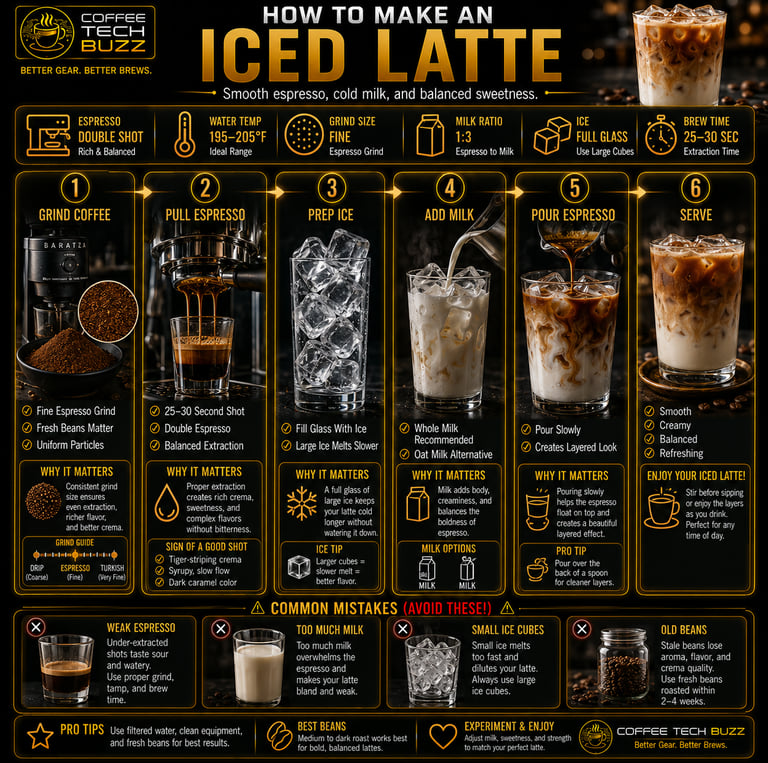
An iced latte combines espresso with cold milk and ice to create one of the smoothest and most approachable iced espresso drinks. The larger milk ratio softens espresso bitterness while still allowing crema, roast character, and sweetness to come through.
Flavor Profile:
Smooth, creamy, lightly sweet
Milk Level:
High
Strength:
Medium-Low
Origin:
Modern Café Culture
Who This Drink Is For:
Coffee drinkers who want a mellow, refreshing espresso drink with balanced strength.
Internal Link:
Iced Latte vs Iced Coffee: What’s the Difference?
Iced Americano
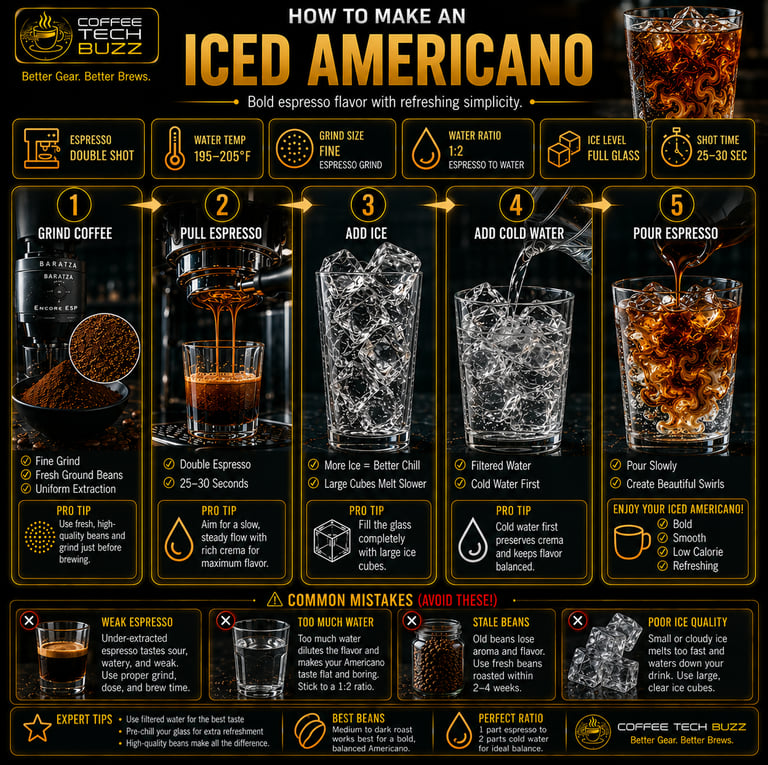
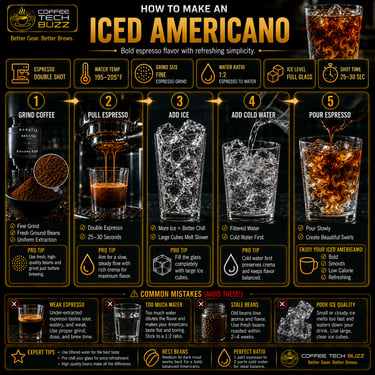
An iced americano combines espresso with cold water and ice, creating a lighter and more refreshing version of traditional espresso. Unlike milk-based drinks, the espresso flavor stays front and center while dilution softens bitterness slightly.
Flavor Profile:
Bold, crisp, refreshing
Milk Level:
None
Strength:
Medium-High
Origin:
American Café Culture
Who This Drink Is For:
Coffee drinkers who enjoy espresso flavor without milk heaviness.
Internal Link:
How to Make an Iced Americano
Espresso Tonic


Espresso tonic blends fresh espresso with tonic water and ice for a highly refreshing sparkling coffee drink. The bitterness of tonic water enhances espresso brightness while carbonation creates a lighter mouthfeel.
Flavor Profile:
Bright, citrusy, bittersweet
Milk Level:
None
Strength:
Medium
Origin:
Nordic Café Culture
Who This Drink Is For:
Coffee drinkers looking for a refreshing sparkling espresso experience.
Internal Link:
What Is an Espresso Tonic?
Vietnamese Iced Coffee
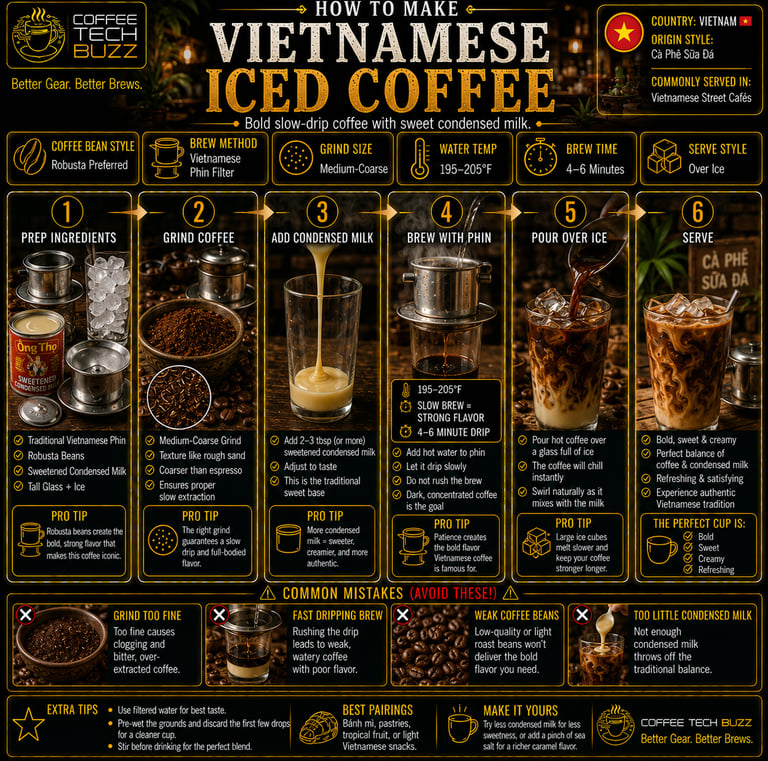
Vietnamese iced coffee combines strong coffee or espresso with sweetened condensed milk poured over ice. The condensed milk creates a rich creamy sweetness that balances the coffee’s bold intensity.
Flavor Profile:
Rich, sweet, bold
Milk Level:
Medium
Strength:
High
Origin:
Vietnam
Who This Drink Is For:
Coffee drinkers who enjoy sweeter, stronger dessert-style iced coffee drinks.
Internal Link:
How to Make Vietnamese Iced Coffee
Freddo Espresso
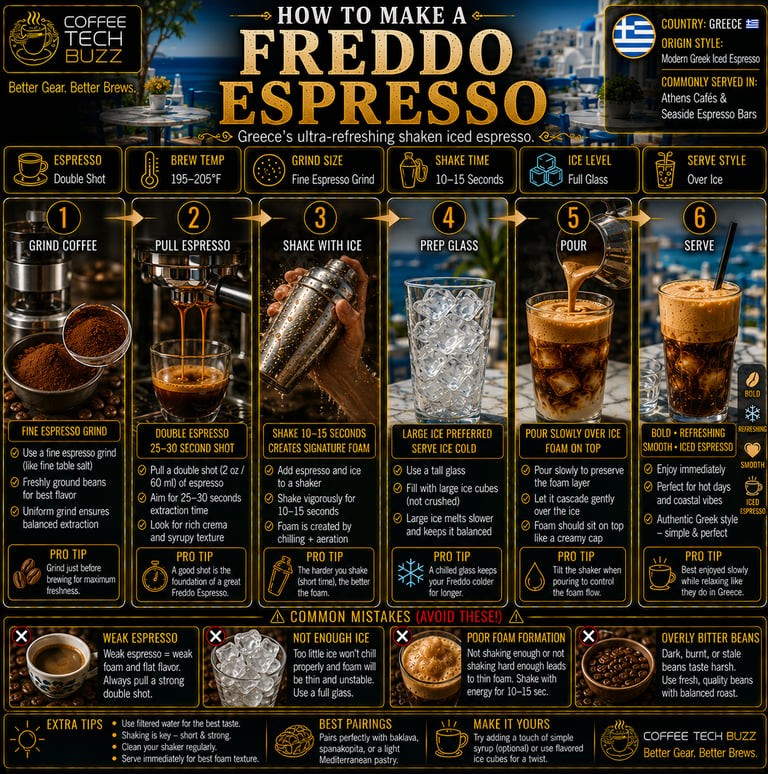
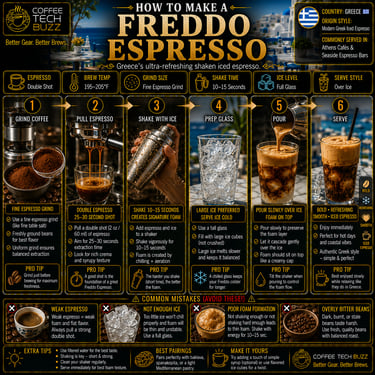
A freddo espresso is a Greek iced espresso drink made by rapidly chilling freshly pulled espresso through shaking or blending with ice. The result is smooth, concentrated, and lightly aerated.
Flavor Profile:
Smooth, chilled, concentrated
Milk Level:
None
Strength:
High
Origin:
Greece
Who This Drink Is For:
Coffee drinkers who want a stronger iced espresso without milk dilution.
Internal Link:
What Is a Freddo Espresso?
Why Shaken Espresso Tastes Different
Shaken espresso drinks taste different because shaking changes far more than just temperature. Rapid chilling espresso with ice introduces aeration, controlled dilution, and texture changes that dramatically alter how the drink feels on the palate. When espresso is shaken aggressively, tiny air bubbles become suspended throughout the liquid. This creates a lighter, smoother mouthfeel and produces the signature foam layer commonly seen in shakeratos and modern shaken espresso drinks. Many of the extraction and dilution problems people run into with these drinks are closely related to Common Espresso Mistakes during preparation.
When espresso is shaken aggressively, tiny air bubbles become suspended throughout the liquid. This creates a lighter, smoother mouthfeel and produces the signature foam layer commonly seen in shakeratos and modern shaken espresso drinks. The foam helps soften sharp edges while spreading espresso flavor more evenly across the palate.
Dilution also happens differently during shaking. Instead of ice slowly melting inside the serving glass, shaking forces rapid chilling and controlled melting before the drink is poured. This helps reduce bitterness and intensity while preserving stronger espresso flavor compared to drinks left sitting over melting ice for long periods.
Texture plays a major role as well. Shaken espresso drinks often feel silkier and cleaner than standard iced espresso beverages because aeration changes how crema, oils, and dissolved solids interact. This is one reason shaken espresso drinks can taste sweeter or smoother even without additional sugar.
Many modern café drinks build directly on this technique. Brown sugar shaken espressos, espresso tonics, shakeratos, and various cold foam drinks all rely on rapid chilling and agitation to create a more balanced drinking experience.
For home coffee enthusiasts, shaken espresso drinks are one of the easiest ways to experiment with café-style workflow while learning how dilution, temperature, and aeration influence espresso flavor.
Freddo Cappuccino
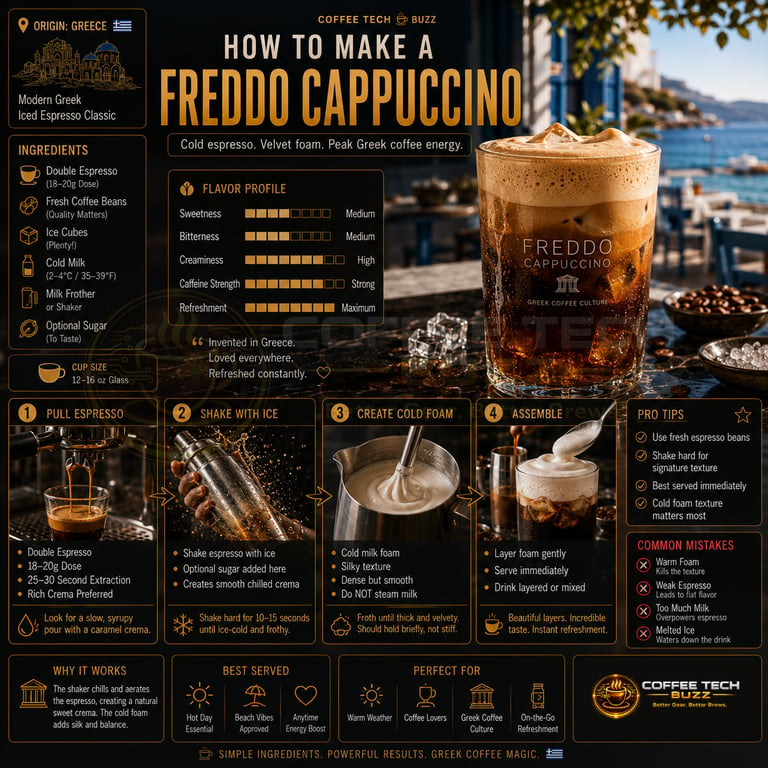
A freddo cappuccino combines chilled espresso with thick cold milk foam layered on top. Unlike traditional iced cappuccinos, the milk texture is intentionally airy while preserving espresso strength underneath.
Flavor Profile:
Creamy, smooth, refreshing
Milk Level:
Medium
Strength:
Medium
Origin:
Greece
Who This Drink Is For:
Coffee drinkers who enjoy balanced milk texture without losing espresso flavor.
Internal Link:
How to Make a Freddo Cappuccino at Home
Spanish Latte
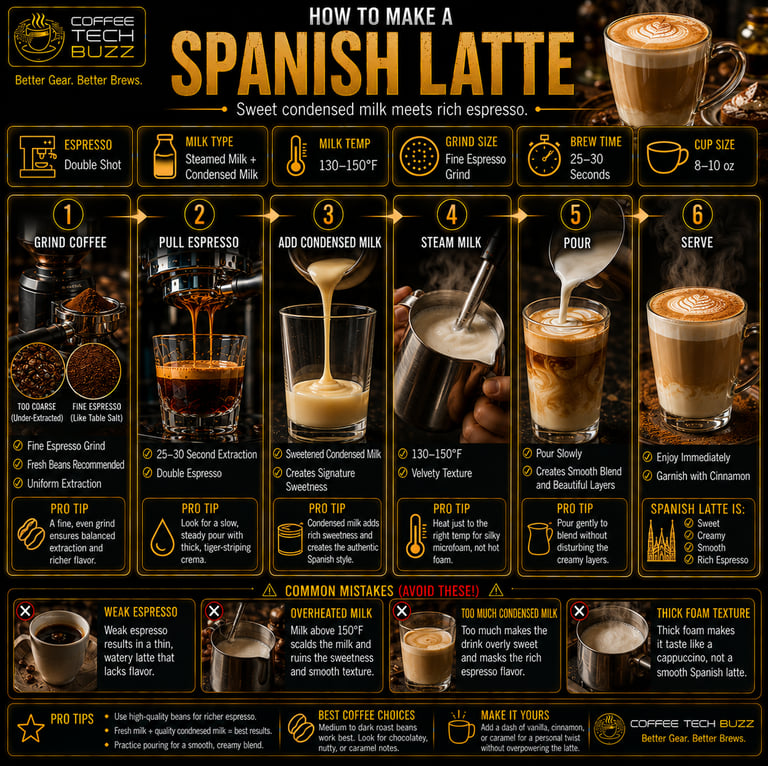
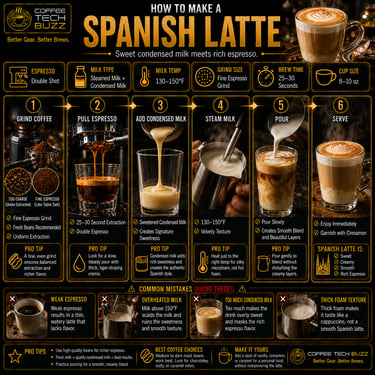
A Spanish latte combines espresso with milk and sweetened condensed milk for a richer and sweeter espresso drink. The condensed milk softens espresso bitterness while adding a creamy dessert-like texture.
Flavor Profile:
Sweet, creamy, rich
Milk Level:
High
Strength:
Medium
Origin:
Middle Eastern Café Culture
Who This Drink Is For:
Coffee drinkers who prefer sweeter milk-forward espresso drinks.
Internal Link:
How to Make a Spanish Latte
Dirty Chai Iced Latte
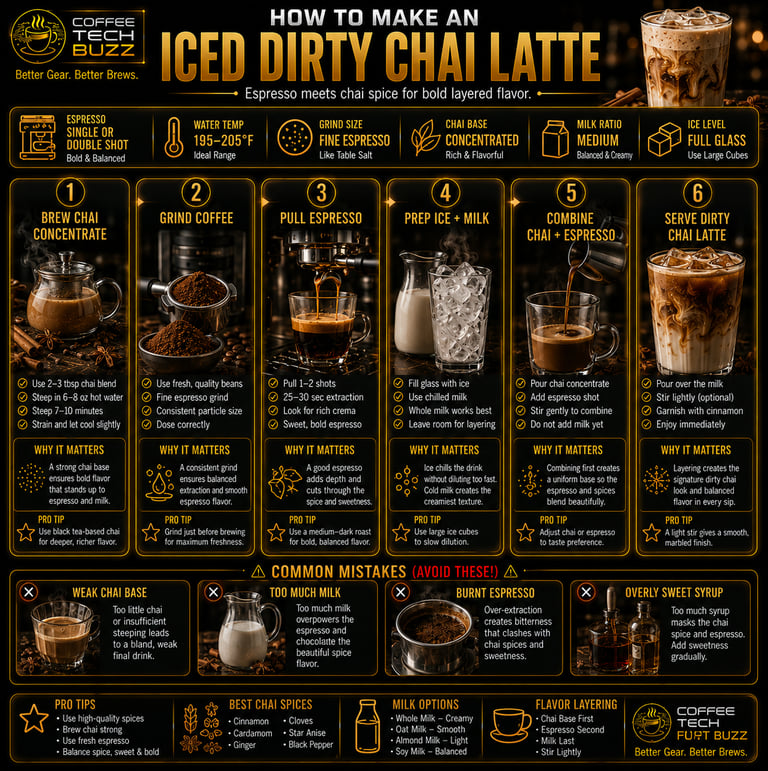
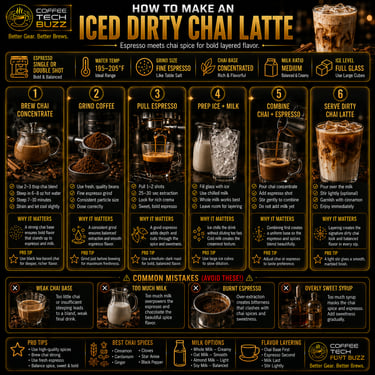
A dirty chai latte blends espresso with chai tea spices and milk to create a drink that balances sweetness, spice, and espresso bitterness. The espresso adds depth and structure to traditional chai flavors.
Flavor Profile:
Spiced, creamy, bold
Milk Level:
High
Strength:
Medium
Origin:
Modern Café Culture
Who This Drink Is For:
Coffee drinkers who enjoy warm spice flavors alongside espresso.
Internal Link:
How to Make an Iced Dirty Chai Latte
Iced Caramel Macchiato
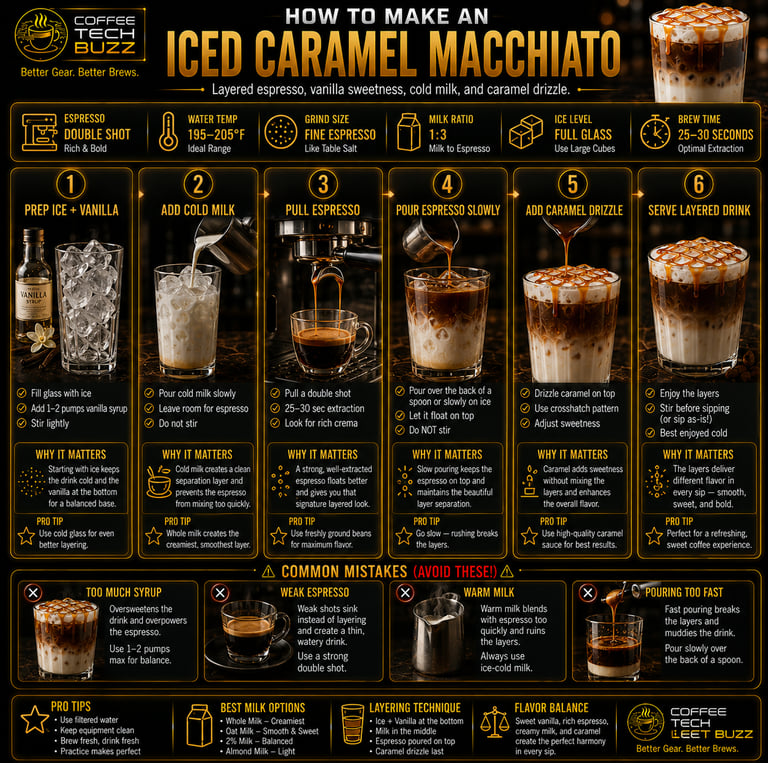
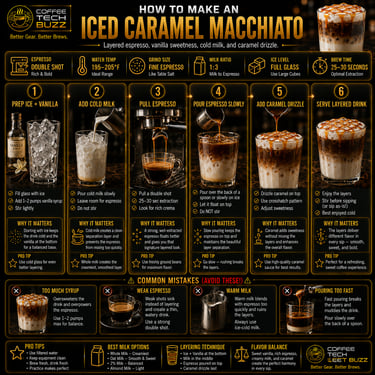
An iced caramel macchiato layers milk, vanilla syrup, espresso, caramel drizzle, and ice into a visually distinct espresso drink. The layering helps preserve espresso strength before mixing.
Flavor Profile:
Sweet, creamy, caramel-forward
Milk Level:
High
Strength:
Medium-Low
Origin:
Modern Café Culture
Who This Drink Is For:
Coffee drinkers who enjoy sweeter café-style espresso beverages.
Internal Link:
How to Make an Iced Caramel Macchiato
Brown Sugar Shaken Espresso
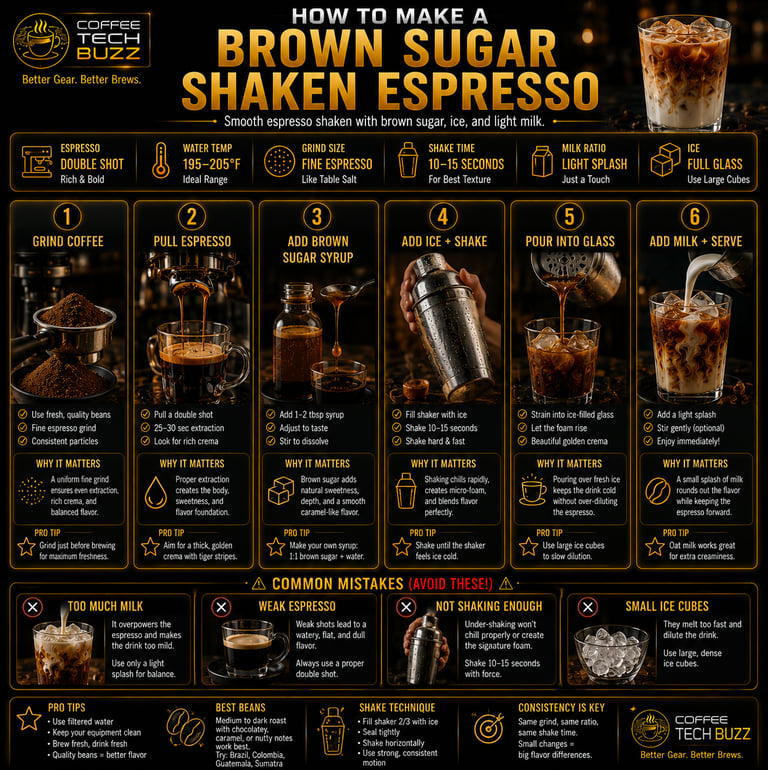
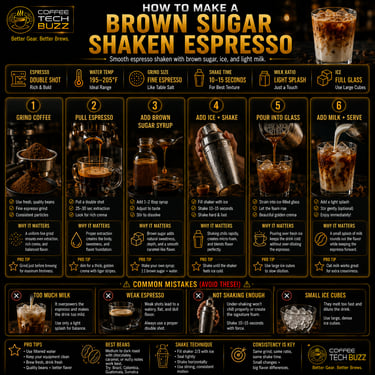
A brown sugar shaken espresso rapidly chills espresso with ice and brown sugar syrup while creating a lightly foamy texture through shaking. The drink typically uses less milk than traditional iced lattes.
Flavor Profile:
Smooth, lightly sweet, balanced
Milk Level:
Low-Medium
Strength:
Medium-High
Origin:
Modern Café Culture
Who This Drink Is For:
Coffee drinkers who want stronger espresso flavor with light sweetness and texture.
Internal Link:
How to Make a Brown Sugar Shaken Espresso
Shakerato


A shakerato is a traditional Italian iced espresso drink made by vigorously shaking espresso with ice and sometimes sugar. Shaking rapidly chills the espresso while creating a silky foam layer.
Flavor Profile:
Smooth, chilled, refreshing
Milk Level:
None
Strength:
Medium-High
Origin:
Italy
Who This Drink Is For:
Coffee drinkers who enjoy clean iced espresso drinks without heavy milk or syrups.
Internal Link:
What Is a Shakerato?
Why Iced Espresso Drinks Became So Popular


Iced espresso drinks became popular because they combine strong coffee flavor with refreshment, convenience, and customization. As café culture expanded globally, consumers began looking for drinks that delivered espresso intensity without the heaviness of traditional hot coffee.
Cold drinks naturally fit modern routines better in many environments. They travel well, remain drinkable longer, and work across warm climates, busy commutes, office settings, and social café spaces. This helped iced espresso drinks become a year-round category rather than simply seasonal coffee options.
Milk alternatives and flavored syrups also contributed heavily to the rise of iced espresso drinks. Oat milk, cold foam, brown sugar syrups, caramel sauces, and shaken espresso beverages created more approachable ways for casual coffee drinkers to enjoy espresso without overwhelming bitterness.
Social media and specialty café culture accelerated the trend even further. Layered milk drinks, shaken espresso beverages, clear ice, cold foam textures, and visually striking café drinks became highly shareable online, pushing iced espresso drinks into mainstream coffee culture.
At the same time, many coffee enthusiasts started focusing more heavily on espresso quality, grinder consistency, extraction control, and workflow precision at home. Iced espresso drinks became an easy way to experiment with those variables while still creating approachable café-style beverages. This also pushed many people toward learning Espresso Machine vs Grinder: Which Matters More? before upgrading home setups.
Today, iced espresso drinks sit somewhere between traditional Italian espresso culture and modern specialty coffee trends. While the drinks themselves may vary widely, nearly all of them still rely on the same foundation: balanced espresso extraction.
Frequently Asked Questions About
Italian Espresso Drinks
What is the difference between iced coffee and iced espresso?
Iced coffee is typically brewed as regular drip coffee and then chilled or poured over ice, while iced espresso drinks use concentrated espresso shots as the base. Espresso creates stronger flavor, heavier body, and more concentrated coffee intensity.
Why do shaken espresso drinks taste smoother?
Shaking rapidly chills espresso while introducing aeration and controlled dilution. This creates lighter texture, smoother mouthfeel, and softer bitterness compared to espresso simply poured over ice.
Does ice water down espresso too quickly?
It can if the ice melts too fast. Smaller or softer ice cubes dilute espresso much quicker than dense large-format ice. Drink temperature, shaking, and milk ratio also affect dilution speed.
What milk works best for iced espresso drinks?
Whole milk and oat milk are typically the most popular because they create smoother texture and balance espresso bitterness well. Different milk types change sweetness, body, and overall drink structure.
Why do cafés use large ice cubes in iced coffee drinks?
Large ice melts slower, helping preserve espresso strength and drink balance longer. Faster-melting ice can quickly dilute flavor and flatten texture.
Are iced espresso drinks stronger than hot coffee?
Many iced espresso drinks contain concentrated espresso shots, making them feel stronger and bolder than standard brewed coffee. However, overall caffeine depends on shot count, drink size, and dilution.
What is the smoothest iced espresso drink?
Milk-based drinks like iced lattes, freddo cappuccinos, and brown sugar shaken espressos are usually considered smoother because milk and controlled dilution soften espresso intensity.
Can you make iced espresso drinks without an espresso machine?
Yes. Moka pots, AeroPress brewers, and concentrated coffee brewing methods can create espresso-style coffee strong enough for iced drinks, though the flavor and texture may differ from true espresso.
Why does espresso taste different when cold?
Cold temperatures suppress acidity and bitterness while emphasizing sweetness, body, and texture. This changes how espresso flavors are perceived once chilled.
What grind works best for iced espresso drinks?
Most iced espresso drinks still rely on standard espresso grind size. However, some recipes intentionally use slightly longer extractions or adjusted ratios to compensate for dilution and ice. Consistent grind quality becomes especially important for shaken and milk-based drinks, which is why many home coffee enthusiasts eventually upgrade to Best Coffee Grinders for Espresso.
Final Thoughts
Iced espresso drinks are less about hiding coffee flavor and more about controlling balance. Ice, dilution, milk texture, shaking, sweetness, and espresso quality all work together to shape the final drink.
While modern café culture introduced endless variations, the foundation remains the same: properly extracted espresso. Better grinders, fresh beans, accurate brew ratios, and consistent workflow all matter just as much in iced drinks as they do in traditional espresso preparation.
Understanding how temperature and dilution affect flavor is one of the biggest steps toward making better café-style drinks at home. Small changes in ice quality, milk choice, or extraction consistency can completely change how an iced espresso drink tastes. Learning the fundamentals through Espresso Brewing often helps simplify the process while improving consistency long term.
Whether you prefer clean espresso-forward drinks like shakeratos and americanos or sweeter milk-based café drinks, consistency comes from controlling the variables that shape espresso itself.
For home coffee enthusiasts, iced espresso drinks offer one of the easiest and most enjoyable ways to experiment with extraction, texture, workflow, and flavor balance while building a more refined coffee setup over time.
Contact@TheBuzzHQ.com
© 2026 Coffee Tech Buzz. All rights reserved.
Coffee Tech Buzz
Smarter brewing through better gear, clearer insights, and real-world performance testing.
Built for home users who want consistency without guesswork.
We focus on how machines actually perform — not just what they claim.
Home
Coffee Equipment Guide
Coffee Makers & Machines
Coffee Grinders
Espresso Gear & Guides
Coffee Beans & Roasts
Coffee Accessories & Tools
For educational purposes only.
We may earn commissions from qualifying purchases.
General Inquiries: