
Espresso Beans
Espresso beans are the foundation of every shot. No matter how precise your grind, tamp, or machine settings are, the quality and profile of the beans determine the final result.
Espresso is a high-pressure brewing method, which means it amplifies both strengths and flaws in the coffee. The wrong beans can lead to sour, bitter, or unbalanced shots—even with perfect technique.
Not all coffee is suited for espresso. Beans labeled “espresso” are typically roasted and blended to perform well under pressure, producing balanced flavor, stable crema, and consistent extraction.
Understanding how beans affect espresso is what allows you to move from inconsistent shots to controlled, repeatable results.
Understanding how beans influence extraction is a key part of the overall system explained in Espresso.
There’s no single type of bean used for espresso. The difference comes from how the coffee is roasted and blended.
Roast Profile
Espresso beans are usually roasted medium to dark.
Medium roasts retain more origin flavor and acidity
Dark roasts produce more body and bitterness
The roast level affects how the coffee extracts under pressure. Darker roasts are easier to extract, while lighter roasts require more precision. Roast level plays a major role in how beans extract, which is explored further in Light vs Dark Roast.
Blend vs Single Origin
Most espresso beans are blends.
Blends combine beans from multiple regions to create a consistent, balanced flavor profile. This makes them easier to work with and more forgiving during extraction.
Single-origin beans can be used for espresso, but they often highlight specific flavor notes and can be harder to dial in. Blends are often easier to work with when dialing in espresso, especially when following a process like How to Dial in Espresso.
Freshness
Freshness is critical for espresso.
Coffee releases gas (CO₂) after roasting. This gas plays a role in crema formation and extraction behavior.
Beans that are too fresh can be unstable. Beans that are too old lose flavor and crema.
Most espresso beans perform best within a few weeks of roasting.
Freshness also impacts extraction balance, which is why variables like dose and yield are explained in Espresso Ratio Explained.
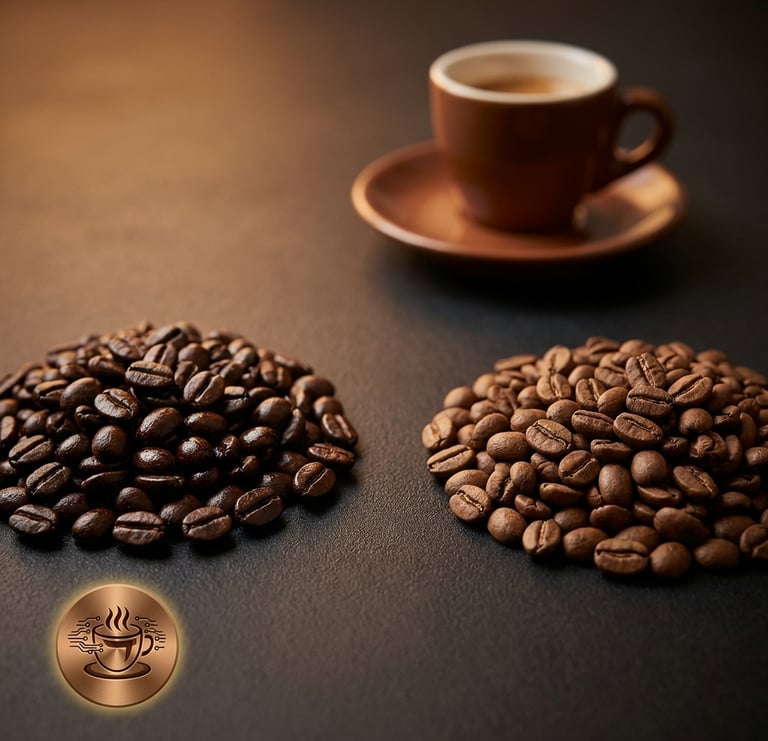
What Makes a Coffee Bean “Espresso”
Roast Levels and Espresso Performance
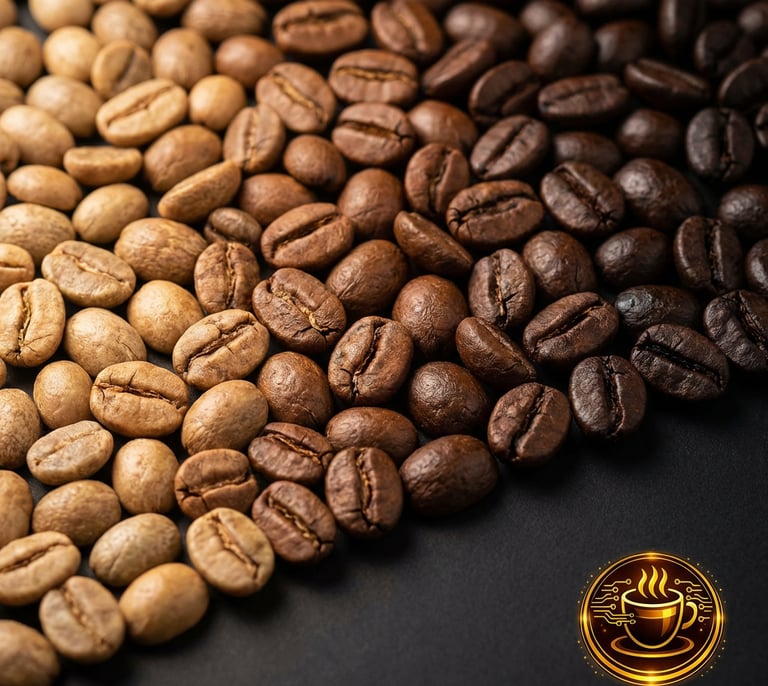
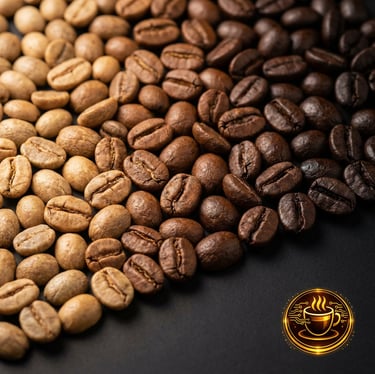
Roast level has one of the biggest impacts on how espresso behaves.
Light Roast
Higher acidity
More complex flavor
Harder to extract
Light roasts can produce excellent espresso, but they require precise control over grind size and extraction.
Lighter roasts are more sensitive to extraction variables and can easily result in sour shots if not dialed in properly, as explained in Why Espresso Tastes Sour.
Medium Roast
Balanced flavor
Moderate acidity and body
More forgiving extraction
This is the most versatile option for most setups.
Dark Roast
Strong body
Lower acidity
Easier extraction
Dark roasts are more consistent and work well in milk-based drinks, but can lose some flavor complexity.
Darker roasts extract more easily but can become bitter if over-extracted, which is covered in Why Espresso Tastes Bitter.
Key Variables When Using Espresso Beans
Even the best beans require proper handling.
Grind Size
Espresso requires a very fine grind. Small adjustments can dramatically change extraction time and flavor. Grind size adjustments are one of the most important steps when correcting shot issues, especially when working through Common Espresso Mistakes.
Dose
The amount of coffee used affects strength and extraction balance.
Yield
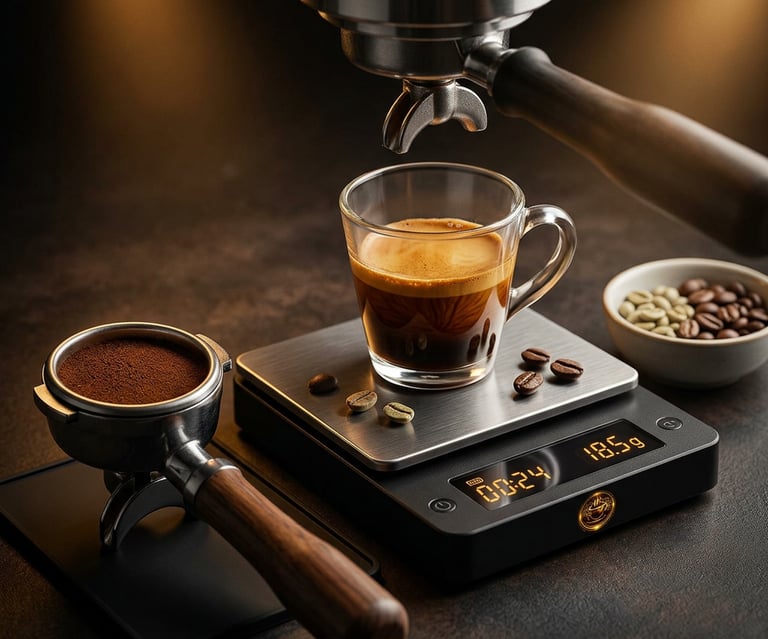
Yield controls how much liquid espresso is produced. This is one of the most important variables for dialing in flavor. Yield and dose must stay balanced to maintain proper extraction, which is why tracking output with tools from Best Espresso Scales becomes important.
Time
Extraction time ties everything together. Faster shots tend to be under-extracted, while slower shots can become bitter. Extraction time ties everything together and is one of the key variables adjusted during How to Dial in Espresso.
Why Espresso Beans Matter
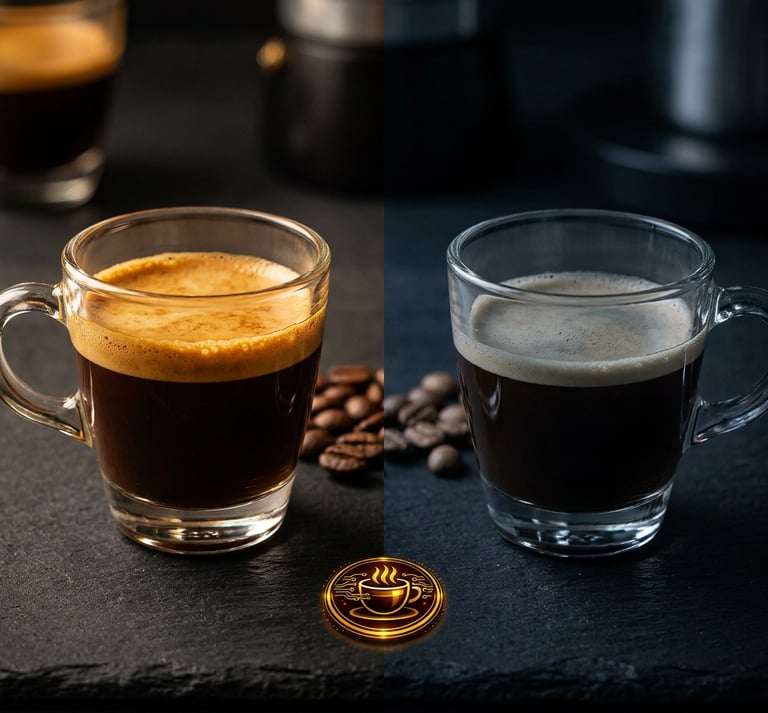

Espresso is highly sensitive to input quality.
Even high-quality beans require proper puck preparation to perform well, especially when using techniques outlined in WDT Tool vs Distributor.
Better beans lead to:
More balanced flavor
Better crema formation
More consistent extraction
Improved repeatability
Even small upgrades in bean quality can have a noticeable impact on the final shot.
Choosing the Right Espresso Beans
The best beans depend on how you drink your coffee.
For straight espresso → choose balanced or medium roasts
For milk drinks → choose darker, bolder beans
For experimentation → try single-origin beans
For consistency → use blends
Matching the bean to your workflow makes dialing in easier and more repeatable.
For most users, starting with reliable, well-balanced options from Best Espresso Beans makes dialing in much easier.
Common Mistakes
Most issues with espresso beans come from handling and expectations.
Using Stale Beans
Old beans lose flavor and crema, leading to flat, lifeless shots.
Using the Wrong Roast
Light roasts can be difficult to extract, especially on basic setups. Roast mismatches often lead to poor extraction results, especially when not adjusting variables as explained in Light vs Dark Roast.
Not Adjusting Grind
Different beans require different grind settings. Using the same grind for everything leads to inconsistent results. This is one of the most common causes of inconsistent results, as outlined in Common Espresso Mistakes.
Expecting “One Bean Fits All”
No single bean works perfectly in every setup. Adjustments are always required.
Frequently Asked Questions
What are the best espresso beans for beginners?
Medium roast blends are the best starting point. They are more forgiving during extraction, easier to dial in, and provide a balanced flavor without extreme acidity or bitterness.
How fresh should espresso beans be?
Espresso beans perform best between 5–21 days after roasting. Too fresh can cause unstable extraction, while older beans lose flavor, crema, and overall shot quality.
Can I use regular coffee beans for espresso?
Yes, but results vary. Beans labeled for espresso are typically roasted and blended to perform better under pressure, producing more consistent flavor and crema.
What roast level is best for espresso?
Medium to dark roasts are the most common. Medium roasts offer balance and clarity, while dark roasts provide stronger body and easier extraction.
Why do my espresso beans taste sour or bitter?
Sour shots usually come from under-extraction (grind too coarse or shot too fast). Bitter shots come from over-extraction (grind too fine or shot too slow). Beans also play a role.
Should I buy whole bean or ground espresso coffee?
Whole beans are always better. They stay fresher longer and allow you to adjust grind size for proper extraction. Ground coffee limits control and consistency.
How should I store espresso beans?
Store beans in an airtight container, away from light, heat, and moisture. Avoid refrigeration. Keeping them sealed preserves freshness and flavor.
Do expensive espresso beans make a difference?
Yes, especially in flavor clarity, consistency, and freshness. Higher-quality beans are usually better sourced and roasted, which improves overall espresso performance.
Final Thoughts
Espresso beans are the starting point for every shot.
Machines and tools improve consistency, but the beans define flavor.
Choosing the right beans—and learning how they behave—makes dialing in faster and results more predictable.
Pairing the right beans with a consistent workflow—including proper measurement and preparation tools—helps turn good coffee into repeatable results.
Once your beans are consistent, everything else becomes easier to control.
Contact@TheBuzzHQ.com
© 2026 Coffee Tech Buzz. All rights reserved.
Coffee Tech Buzz
Smarter brewing through better gear, clearer insights, and real-world performance testing.
Built for home users who want consistency without guesswork.
We focus on how machines actually perform — not just what they claim.
Home
Coffee Equipment Guide
Coffee Makers & Machines
Coffee Grinders
Espresso Gear & Guides
Coffee Beans & Roasts
Coffee Accessories & Tools
For educational purposes only.
We may earn commissions from qualifying purchases.
General Inquiries: