
Why Espresso Tastes Bitter: Causes and Solutions
Discover the causes of espresso bitter taste and effective solutions to fix bitterness by mastering grind size, temperature, extraction, and bean quality.
ESPRESSO
The Coffee Tech Buzz Editorial Team - Led by AJ “Buzz” Eichman
4/13/20269 min read
Espresso bitterness is a frequent concern among home brewers seeking a balanced and flavorful cup. While some bitterness is inherent to espresso’s concentrated nature, excessively bitter shots usually point to specific issues in the brewing process. Understanding the causes behind espresso bitter taste helps establish control over extraction variables rather than relying on guesswork or trends. By carefully managing grind size, temperature, extraction time, and bean quality, you can predictably reduce bitterness and improve espresso balance. For a full system overview, see the Espresso pillar.
Quick Verdict
Espresso bitterness typically originates from over-extraction, which pulls bitter compounds from coffee beyond an optimal point.
Key variables affecting bitterness include grind size, water temperature, and extraction time, each influencing the balance of compounds extracted.
Using fresh, well-suited coffee beans with the proper roast degree and maintaining your espresso equipment regularly can minimize bitter flavors.
Consistent dosing and tamping pressure are vital to uniform extraction, preventing uneven flow and channeling that lead to bitterness.
Understanding Espresso Bitterness: The Basics
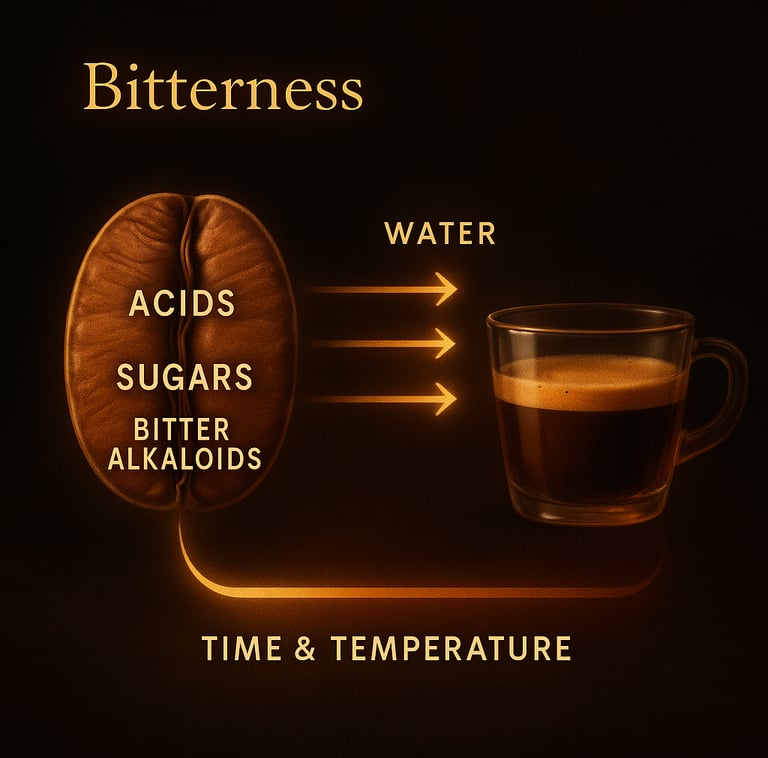
Bitterness in espresso results mainly from how coffee solubles dissolve during brewing. Coffee beans contain a variety of compounds: acids, sugars, and bitter alkaloids. The goal is to extract a harmonious balance of these, avoiding excessive bitterness that overpowers the cup. Over-extraction happens when water remains in contact with coffee grounds too long or under conditions that favor dissolving bitter phenolic compounds and alkaloids. Since espresso relies on rapid extraction within approximately 25–30 seconds, small deviations in brewing parameters can quickly push the extraction into unfavorable zones where bitterness dominates.
This is usually where results start to vary without people realizing why. Subtle changes in grind size or temperature lead to over-extraction, yet the cause is often overlooked. Recognizing that bitterness is a symptom — not a standalone problem — helps frame adjustments as part of a controlled process. It’s better to analyze extraction time, grind consistency, and temperature stability than to chase ever newer equipment hoping for a different outcome. For contrast, reviewing Why Espresso Tastes Sour helps clarify the difference between under- and over-extraction.
Key Brewing Variables Affecting Bitterness
Several brewing variables critically impact espresso’s bitterness. Each factor influences the solubility and extraction speed of compounds from coffee grounds.
Grind Size
Grind size directly controls extraction rate by affecting water flow resistance through the coffee puck. A finer grind increases resistance and slows water flow, generally causing longer contact time and greater extraction of bitter compounds. Conversely, a too-coarse grind can lead to under-extraction, producing sour or thin flavors but rarely bitterness.
This is usually the starting point when addressing espresso taste problems. Adjusting grind size by small increments consistently results in measurable changes in bitterness levels. Ideally, the grind should be fine enough to require around 25–30 seconds for extraction without choking or dripping too fast. Grinder performance differences become clearer when comparing options like Best Espresso Grinders Under $500.
Brewing Temperature
Water temperature plays a critical role in solubility. Temperatures between 90–96°C (194–205°F) are considered optimal for espresso brewing to balance acidity, sweetness, and bitterness. Temperatures above this range accelerate extraction of bitter alkaloids and phenolics. Brewing too hot tends to pull bitterness forward earlier than expected and flatten the espresso’s complexity.
Machines equipped with PID controllers offer superior temperature stability, reducing fluctuation that can otherwise cause inconsistent bitterness from shot to shot. Brewing temperature interacts with grind size; finer grind combined with higher temperature shifts the extraction noticeably toward bitter compounds. This connection highlights why it’s important to control variables systematically rather than adjusting multiple parameters at once.
Extraction Time
Total extraction time, or the duration water contacts coffee grounds, ideally falls within 25–30 seconds for a standard espresso shot (18–20 grams dose, 9-bar pressure). Longer extraction times generally lead to over-extraction and exaggerated bitterness. Shorter times can result in under-extracted, sour flavors, which are explored further in Espresso Ratio Explained.
This time window is a practical guide rather than an absolute rule, because ideal extraction times depend on dose, grind, and machine specifics. Still, persistent bitterness beyond this range signals over-extraction, and adjusting grind size or tamping pressure helps return extraction to balance.
Coffee Freshness and Roast Level
Coffee freshness directly affects extraction and flavor. Older, stale beans lose aromatic compounds and can develop off-notes that contribute to bitterness. Similarly, an overly dark roast often masks coffee’s natural sweetness and acids and accentuates bitter components.
Light to medium roasts commonly produce less bitter espresso because they retain acidity and sweetness better. However, roast preference is subjective, and the key is selecting beans of high quality and roasting style that complements your brewing setup. Exploring Best Espresso Beans helps establish a consistent baseline before dialing in technique.
Storing beans properly to minimize oxidation and grinding immediately before brewing reduces bitterness and increases consistency.
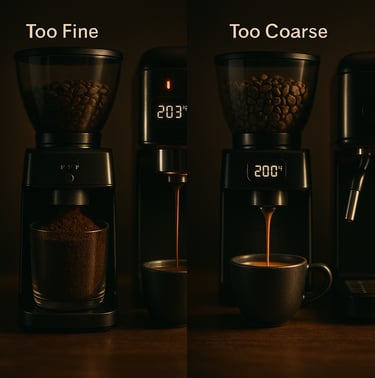
How Grind Size Influences Espresso Taste
Grind size is arguably the most sensitive and impactful variable in espresso preparation. Because it determines flow rate, it influences how much contact time water has with coffee and which compounds dissolve first.
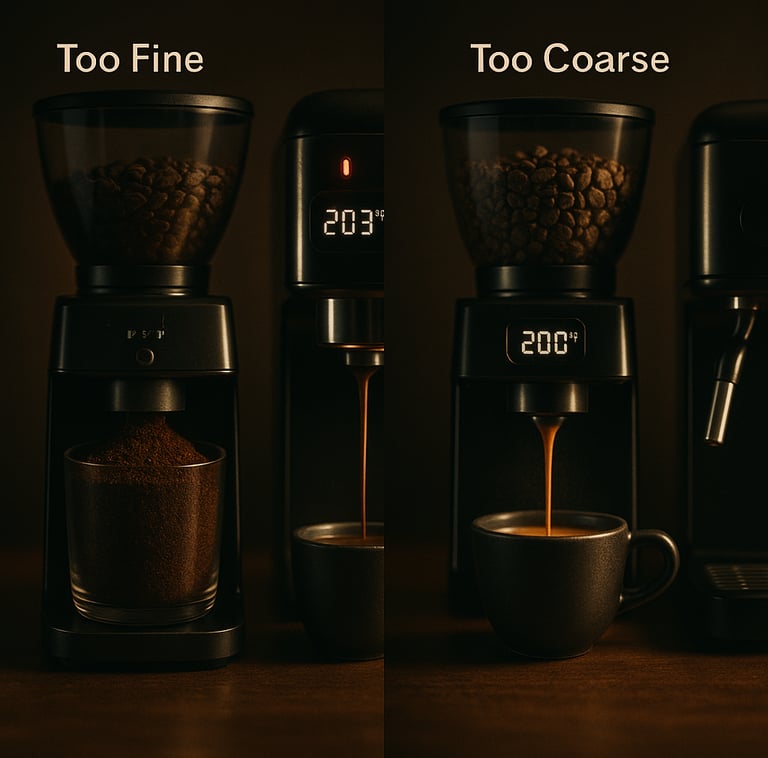
If the grind is too fine, resistance increases and water flows more slowly. This leads to prolonged contact with coffee particles, escalating extraction beyond the point where bitter alkaloids and harsher phenolics predominate. You’ll notice that even minor overly fine adjustments cause bitterness to jump sharply, often accompanied by thick, syrupy flow that chokes the machine.
In contrast, a grind too coarse reduces resistance and allows for faster flow, shortening extraction time and commonly producing sour and under-extracted shots but rarely bitterness. The ideal grind balances these dynamics so extraction time sits in the sweet spot of 25–30 seconds with smooth, even flow.
Consistency in grind particle size also plays a role. Grinders with poor uniformity create channeling paths, leading some water to flow quickly while other sections over-extract. This uneven extraction results in cup inconsistency and can cause the perception of bitterness even if other parameters are well tuned.
To fix bitter espresso, the first variable to adjust is usually grind size. Incrementally coarsening the grind generally reduces excessive bitterness if other factors remain stable.
The Impact of Temperature on Espresso Extraction
Water temperature laws on chemical solubility apply plainly to espresso brewing. Increasing temperature accelerates the extraction of solubles but disproportionately enhances bitter compounds. Temperatures above 96°C typically exacerbate this effect, pushing bitterness to the forefront of flavor.
Conventional espresso machines fluctuate in temperature, sometimes exceeding optimal levels unintentionally. Machines with PID temperature control minimize this issue, holding steady temperature during extraction and resulting in higher consistency and less bitterness. Evaluating machines like Jura E6 Platinum 15465 vs Breville Oracle Jet can highlight these stability differences.
If bitterness persists despite dialed-in grind and extraction time, verifying water temperature stability is a logical next step. Water temperature also interacts with other parameters: a higher temperature paired with a slightly finer grind will intensify bitterness faster than either variable alone.
In practical terms, maintaining water temperature around 90–96°C provides the best opportunity to avoid bitter espresso. Temperatures below 90°C risk under-extraction and flatter flavor profiles.
Common Espresso Preparation Mistakes Leading to Bitterness
Several recurring mistakes contribute to bitter espresso that typically stem from misunderstandings or lack of repeatability rather than faulty hardware.
Using excessively fine grind. This is probably the most common driver of bitter espresso because it prolongs extraction time unintentionally and raises flow resistance.
Exceeding optimal water temperature. Whether through machine calibration errors or heat soak, brewing too hot amplifies bitter compound extraction.
Neglecting coffee freshness or choosing overly dark or low-quality beans that carry harsh, bitter characteristics.
Inconsistent tamping pressure or dosing. Variations create uneven puck density which leads to channeling—water rushing through less compact areas and causing spotty extraction and bitterness. Tools from Best Espresso Tampers help maintain repeatable pressure.
Over-extended extraction time beyond 30 seconds. This pushes the shot well into over-extraction territory.
Failing to clean espresso equipment regularly, allowing bitter residues and oils to build up inside portafilters and group heads.
Practical Solutions to Fix Bitter Espresso
Attaining a balanced espresso requires a systematic approach focusing on controlling core variables.
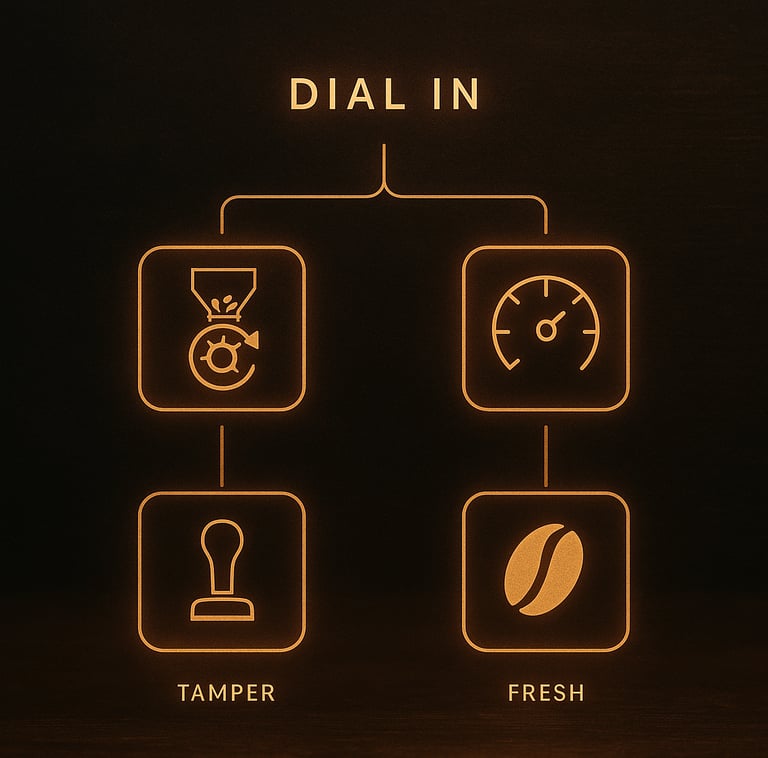
Begin with grind size. If espresso tastes bitter, adjust grind coarser gradually and monitor shot duration. Changes here show immediate impact. Only tweak one variable at a time for predictable outcomes.
Check your brewing temperature. Use equipment with reliable PID control if possible, or ensure machine temperature is within 90–96°C.
Maintain consistent dose and tamp pressure to avoid channeling. Using a calibrated tamper with uniform force is preferable to guessing tamping force.
Stick to an extraction duration near 25–30 seconds as a general guideline. Shots significantly longer than this usually indicate over-extraction.
Use freshly roasted coffee beans stored properly and select roast levels suited for espresso—medium roasts favor more balanced flavor profiles.
Clean espresso machines thoroughly and routinely to remove residual oils and coffee debris. This is essential for preventing off-flavors contributing to bitterness. If you’re refining workflow further, How to Dial in Espresso ties all variables together.
Choosing the Right Coffee Beans and Roast Levels
Not all coffee beans perform equally well in espresso. The roast level significantly influences perceived bitterness. Dark roasts introduce smoky, charred, and bitter notes that can be straightforward but less complex. Light or medium roasts preserve more acidity and sweetness that balance bitterness more effectively.
Choosing fresh, high-quality beans is fundamental. Espresso requires selecting beans with flavor profiles that suit your taste and machine capabilities. Single-origin beans with uniform roast and consistent quality often yield more predictable shots versus heavily blended or mixed batches.
Roast degree interacts with extraction parameters. For example, darker roasts extract more rapidly, so grind coarser or reduce extraction time to prevent bitterness.
Maintenance Tips to Prevent Bitter Flavors
Regular cleaning is a frequently overlooked but essential part of controlling espresso flavor. Oils, coffee residues, and mineral buildup inside group heads, portafilters, and baskets eventually degrade flavor clarity and add bitterness.
Cleaning brewing equipment with backflushing detergents and descaling agents on a schedule helps remove bitter residues that accumulate unnoticed. Also, assessing water quality and hardness may reveal unseen contributors to unpleasant espresso flavors.
Replacing worn burrs on your grinder is another maintenance step that ensures consistent grind particle size, directly affecting extraction uniformity and taste balance.
Common Mistakes That Lead to Bitter Espresso
Home brewers often fall into repeated traps causing bitterness. These errors usually derive from altering multiple variables at once or neglecting proper technique.
Too fine a grind, which slows flow and causes over-extraction.
Brewing at too high a water temperature intensifying bitter compound extraction.
Using stale or poor-quality beans that introduce harsh, off flavors.
Inconsistent tamping pressures that allow channeling and uneven extraction.
Extending shots beyond the ideal extraction window leads to pulling excessive bitter solubles.
Neglecting machine cleanliness, which causes bitterness from residual oils and trapped coffee particles. Reviewing Common Espresso Mistakes can help identify recurring issues.
FAQ
Why does my espresso taste bitter even when I follow the recipe?
Even strict adherence to recipes can falter if variables like grind size, temperature, or tamping aren’t consistent or if machine cleanliness is compromised. Small deviations in grind or brewing temperature often produce bitterness unseen in single trials.
How can grind size affect espresso bitterness?
Finer grind increases resistance and slows extraction, allowing water to pull more bitter compounds. Coarser grind shortens contact time, risking under-extraction but typically reducing bitterness.
What is the ideal water temperature for espresso brewing?
An optimal range is approximately 90–96°C (194–205°F). Temperatures above this range accelerate extraction of bitter compounds, while lower temperatures may cause under-extraction.
Can coffee roast level influence bitterness in espresso?
Yes, darker roasts tend to emphasize bitterness more due to longer roasting times producing bitter phenolics. Medium roasts help achieve better balance with sweetness and acidity.
How long should an espresso shot extraction take?
Around 25–30 seconds is standard for 18–20 grams dose at 9 bars pressure. Longer times generally lead to over-extraction and bitterness.
Does tamping pressure impact espresso taste?
Consistent tamping pressure ensures uniform water flow through the coffee puck. Uneven tamping causes channeling and patchy extraction that can contribute to bitterness.
How often should I clean my espresso machine to avoid bitterness?
Regular cleaning after every brewing session and more thorough maintenance weekly or biweekly depending on usage minimizes buildup of oils and residues that cause bitter off-flavors.
What types of coffee beans minimize bitter espresso flavors?
Fresh, high-quality beans with medium or light roast profiles designed for espresso extraction typically reduce unwanted bitterness while maintaining balance and complexity.
Conclusion
Bitterness in espresso is a predictable outcome of over-extraction caused by imbalanced brewing variables such as grind size, temperature, extraction time, and coffee quality. Precision in managing these parameters allows brewers to minimize bitterness and achieve consistent, controlled flavor profiles. Adjusting grind to optimize flow, maintaining stable temperature within the recommended range, respecting extraction timing, and choosing fresh, appropriate beans create a reliable foundation. Layering careful tamping technique and diligent equipment maintenance supports repeatable results while preventing bitterness from creeping into the cup. Ultimately, espresso is a process refined through attention to detail rather than guesswork, and gaining control over bitterness elevates routine shots into reliable expressions of coffee’s potential.
For deeper equipment insights, exploring guides like Best Espresso Machines Under $1000 can help match your setup to your brewing goals.
Contact@TheBuzzHQ.com
© 2026 Coffee Tech Buzz. All rights reserved.
Coffee Tech Buzz
Smarter brewing through better gear, clearer insights, and real-world performance testing.
Built for home users who want consistency without guesswork.
We focus on how machines actually perform — not just what they claim.
Home
Coffee Equipment Guide
Coffee Makers & Machines
Coffee Grinders
Espresso Gear & Guides
Coffee Beans & Roasts
Coffee Accessories & Tools
For educational purposes only.
We may earn commissions from qualifying purchases.
General Inquiries: