
Bottomless vs Spouted Portafilter
Showdown
A bottomless portafilter exposes the extraction for visibility and precision, while a spouted portafilter directs flow cleanly into one or two cups.
Both pull the same espresso—but they change how you control, diagnose, and manage the shot.
This comparison breaks down performance, workflow differences, and which one fits your setup best.
Portafilter choice plays directly into how you diagnose and control extraction, which is part of the full workflow explained in Espresso.
Transparency Note: We may earn a commission from qualifying purchases. Product selections are made independently and are not influenced by manufacturers.
What Each Tool Does
Bottomless Portafilter
A bottomless (naked) portafilter removes the spouts, exposing the basket and extraction.
Its purpose is to:
show how the shot is extracting
reveal channeling or uneven flow
allow direct feedback for dialing in
It’s a tool for improving technique.
This level of visibility becomes especially useful when dialing in variables like grind and flow using setups from Best Coffee Grinders for Espresso.
Spouted Portafilter
A spouted portafilter uses one or two outlets to guide espresso into cups.
Its purpose is to:
control flow direction
reduce mess
allow split shots
It’s built for consistency and convenience.
Controlled output works best when paired with consistent puck prep using tools like Best Espresso Tampers.
THE SHOWDOWN
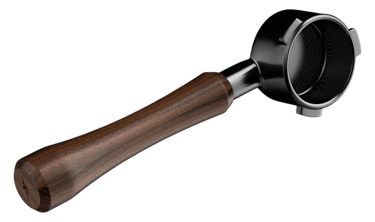
MHW Bottomless
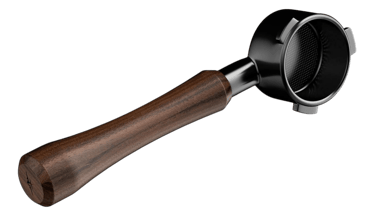
Double Spouts
✓ Extraction Visibility
✓ Channel Detection
✓ Precision Feedback
✓ Clean Pouring
✓ Split Shots
✓ Mess Control
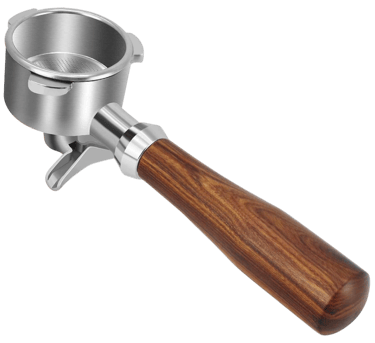






Surface vs Internal Distribution
The biggest difference is where each tool works.
WDT → fixes distribution inside the puck
Distributor → fixes the surface level
WDT addresses the root problem. Distributors address the final shape.
Impact on Extraction
WDT has a larger effect on extraction quality.
Visual feedback from bottomless portafilters helps identify issues like uneven flow and channeling, which are often caused by problems outlined in Common Espresso Mistakes.
By removing clumps and improving density, it reduces channeling and allows water to flow more evenly through the puck.
Distributors improve consistency, but don’t correct deeper issues. If the coffee is uneven internally, leveling the top won’t fix it.
Consistency and Repeatability
WDT creates more consistent puck structure overall, especially with fine espresso grinds that tend to clump.
Distributors help with repeatable tamping by ensuring a flat surface, but rely on the coffee already being well distributed.
Key Differences
Cleanliness and Mess
Bottomless → can spray if prep is off
Spouted → cleaner, more controlled
Spouted portafilters are more forgiving, especially for beginners.
Shot Splitting
Bottomless → single output only
Spouted → can split into two cups
This matters for workflow, especially if you regularly make multiple drinks.
Ease of Use
Bottomless Portafilter
Requires good puck prep
Less forgiving of mistakes
Better for learning and refining
It demands consistency, but teaches it quickly.
Spouted Portafilter
Easy to use
More forgiving
Cleaner workflow
It’s designed for repeatable daily use without extra effort.
Consistency improves further when tracking shot output precisely using tools from Best Espresso Scales.
Which One Improves Your Espresso More?
Bottomless has the bigger long-term impact
Not because it changes extraction—but because it shows you what’s wrong.
That feedback helps you fix:
grind size
distribution
tamping issues
Spouted portafilters don’t provide that visibility.
This feedback becomes critical when working through shot adjustments step-by-step, as explained in How to Dial in Espresso.
When to Use Both
Many setups benefit from using both.
Bottomless → dialing in and troubleshooting
Spouted → daily brewing and consistency
This approach gives you control when you need it, and simplicity when you don’t.
Combining visibility with proper extraction balance helps prevent flavor issues like those covered in Why Espresso Tastes Sour and Why Espresso Tastes Bitter.
Who Each Portafilter Is For
Choose Bottomless if:
You want to improve technique
You’re dialing in espresso regularly
You want to see extraction clearly
Choose Spouted if:
You want a clean, simple workflow
You value consistency over visibility
You regularly split shots
Use Both if:
You want full control and convenience
You’re refining your setup
You switch between dialing and daily use
Common Mistakes
Blaming the Portafilter
Portafilters don’t fix bad shots. Prep and grind matter more.
Switching Too Early
Using bottomless without proper technique can create frustration.
Ignoring Feedback
Bottomless portafilters provide visual data—use it to improve.
In most cases, the issue comes from puck prep rather than the portafilter itself, which ties back to techniques like WDT Tool vs Distributor.
Frequently Asked Questions
Does a bottomless portafilter make better espresso?
Not directly. It doesn’t change the extraction itself, but it helps you see issues like channeling and uneven flow. This makes it easier to improve technique, which leads to better espresso over time.
Why does a bottomless portafilter spray or splatter?
Spraying is usually caused by uneven puck preparation. Clumping, poor distribution, or inconsistent tamping creates weak spots where water escapes unevenly, causing visible spray during extraction.
Is a spouted portafilter better for beginners?
Yes. Spouted portafilters are more forgiving and create a cleaner workflow. They hide minor preparation mistakes and reduce mess, making them easier to use when starting out.
Can a bottomless portafilter be used for everyday brewing?
Yes, but only if your workflow is consistent. Once your grind, distribution, and tamping are dialed in, bottomless portafilters can be used daily without issues.
Do bottomless and spouted portafilters affect taste?
The portafilter itself doesn’t change taste. However, bottomless portafilters can improve shot quality indirectly by helping you correct extraction problems.
Why would someone use both portafilters?
Using both gives you flexibility. Bottomless portafilters are useful for dialing in and troubleshooting, while spouted portafilters are better for clean, consistent daily use.
Can you split shots with a bottomless portafilter?
No. Bottomless portafilters produce a single stream. If you need to split shots into two cups, a spouted portafilter is required.
When should I switch to a bottomless portafilter?
Once you understand the basics of grind size, dosing, and tamping. Bottomless portafilters are most useful when you’re ready to refine technique and improve consistency.
Final Verdict
Bottomless and spouted portafilters serve different roles.
Bottomless portafilters are the better tool for improving technique and dialing in espresso.
Spouted portafilters are better for clean, consistent daily use.
If you want to improve your espresso, start with bottomless.
If you want simplicity and reliability, stick with spouted.
Once extraction is consistent, tools that control milk texture and pouring—like those in Best Milk Frothing Pitchers—become the next step in improving overall drink quality.
The best setups use both.
Contact@TheBuzzHQ.com
© 2026 Coffee Tech Buzz. All rights reserved.
Coffee Tech Buzz
Smarter brewing through better gear, clearer insights, and real-world performance testing.
Built for home users who want consistency without guesswork.
We focus on how machines actually perform — not just what they claim.
Home
Coffee Equipment Guide
Coffee Makers & Machines
Coffee Grinders
Espresso Gear & Guides
Coffee Beans & Roasts
Coffee Accessories & Tools
For educational purposes only.
We may earn commissions from qualifying purchases.
General Inquiries: