
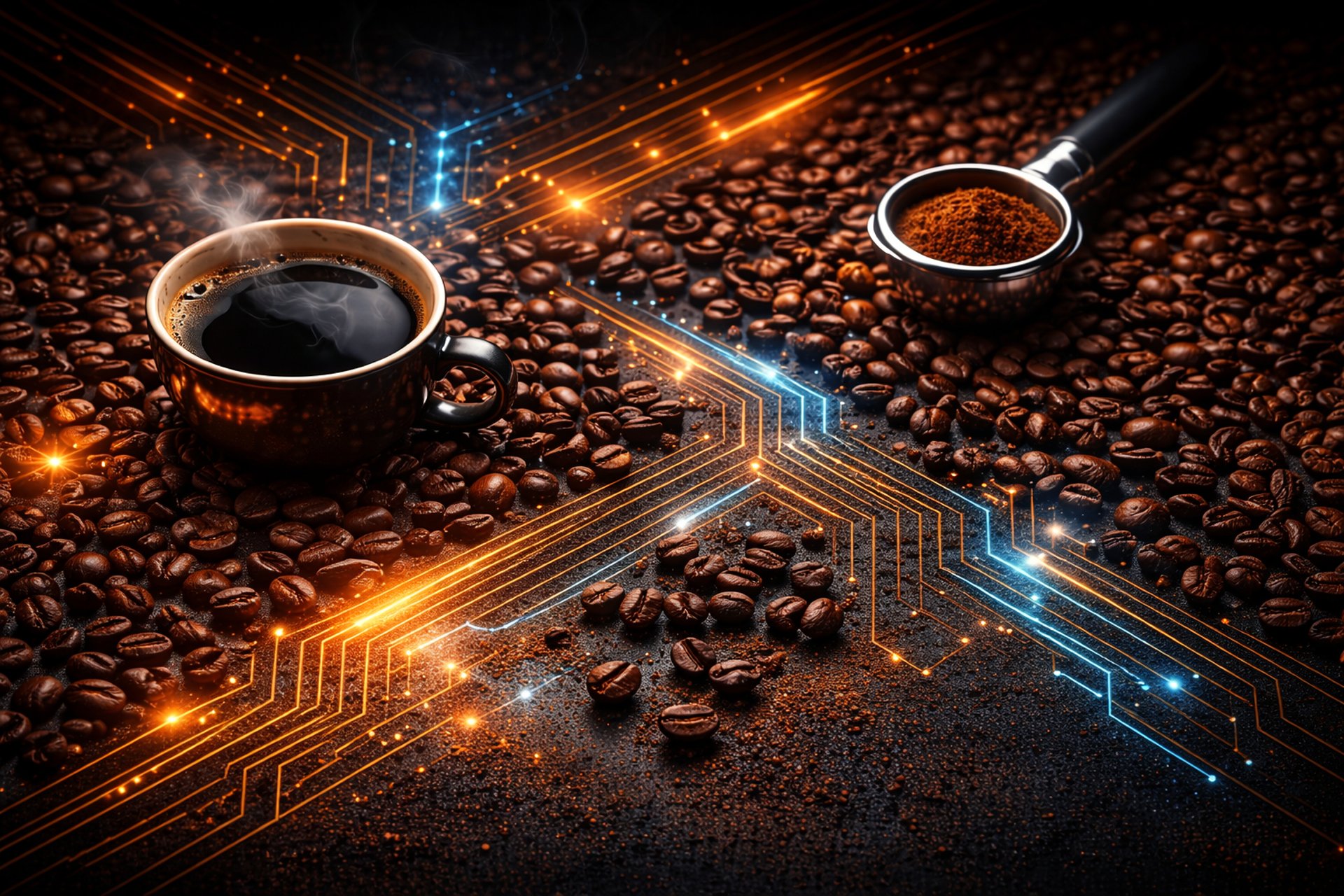
Espresso
Espresso is the foundation of modern coffee. It’s not just a drink—it’s a brewing method built on pressure, precision, and control.
Unlike drip or pour-over coffee, espresso forces hot water through finely ground coffee at high pressure. This produces a concentrated shot with intense flavor, heavy body, and a layer of crema on top.
Because the process is so compressed and fast, small changes have a large impact. A slight adjustment to grind size or timing can completely shift the flavor from balanced to sour or bitter.
Espresso rewards precision. Once you understand the variables and how they interact, it becomes one of the most repeatable and controllable brewing methods available.
What Is Espresso
Espresso is defined by how it’s brewed, not the beans themselves.
It uses:
Finely ground coffee
High water pressure (typically around 9 bars)
Short extraction time (usually 25–30 seconds)
The result is a small, concentrated shot of coffee that contains dissolved solids, oils, and emulsified compounds that aren’t present in other brewing methods.
Crema—the golden layer on top—is created when pressure forces carbon dioxide and oils out of the coffee during extraction. It acts as both a visual indicator and a contributor to texture.
A properly extracted espresso should have balance between acidity, sweetness, and bitterness, along with a full, dense mouthfeel.
Espresso brewing is built on controlled extraction under pressure.
Hot water is pushed through a tightly packed puck of coffee. As the water moves through, it extracts soluble compounds in stages:
Acids extract first (bright, sharp flavors)
Sugars follow (sweetness and balance)
Bitter compounds extract last
The goal is to stop the shot at the point where these elements are balanced.
If extraction happens too quickly, the water doesn’t fully interact with the coffee. This leads to under-extraction—thin body, sour taste, and weak flavor.
If extraction is too slow, water pulls too many compounds from the coffee. This leads to over-extraction—bitterness, dryness, and harshness.
The challenge is controlling flow so extraction stays within the ideal range.
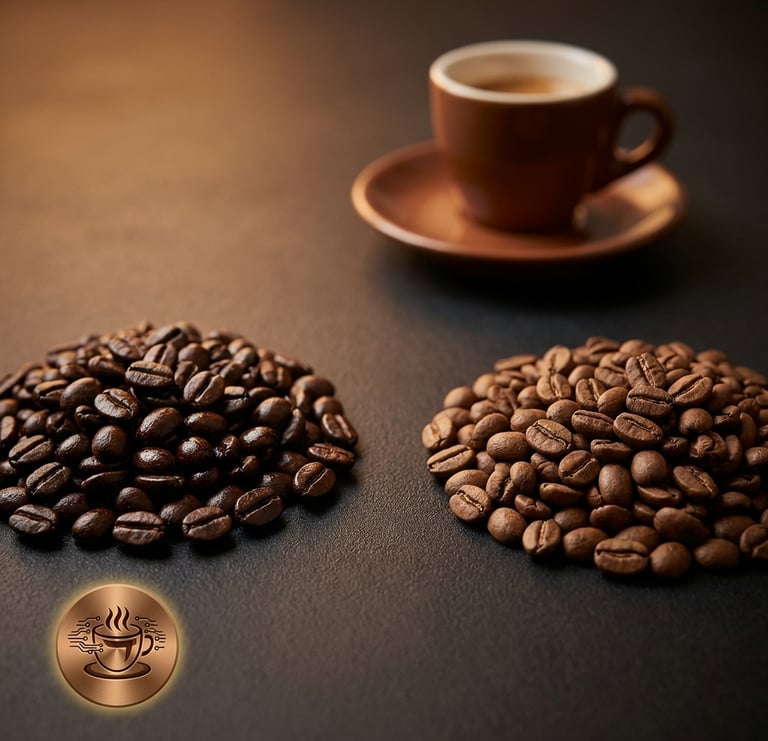

How Espresso Works
Espresso Brewing Methods
There are several ways to brew espresso, each offering different levels of control, consistency, and complexity.
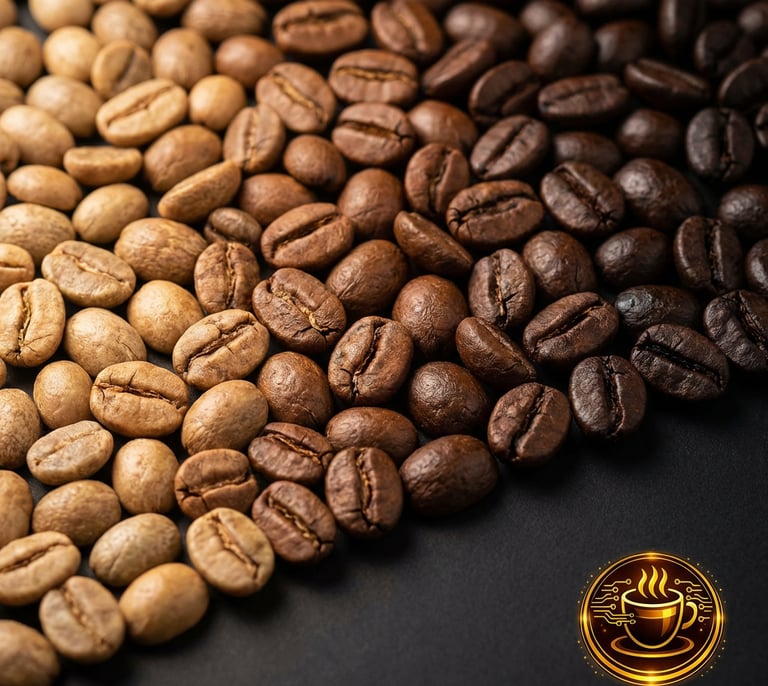
Manual Espresso
Manual methods rely entirely on user-applied pressure. This allows you to control how force is applied throughout the shot.
Because pressure is not fixed, flow can change during extraction. This makes manual brewing highly flexible, but also less consistent without practice.
It’s a method that emphasizes technique and understanding over convenience.
Semi-Automatic Machines
Semi-automatic machines are the standard for most home setups.
They generate consistent pressure using a pump, while allowing the user to control grind size, dose, and shot timing.
This creates a balance between control and repeatability. Once dialed in, these machines can produce consistent results while still allowing adjustments.
Automatic and Super-Automatic Machines
Automatic systems reduce the number of steps required to brew espresso.
Fully automatic machines manage shot timing, while super-automatic machines handle grinding, dosing, tamping, and brewing.
These systems prioritize convenience and speed, but reduce control over variables.
They are designed for consistency with minimal effort rather than precision tuning.
Pressure Profiling Systems
Advanced machines allow pressure to vary during extraction.
Instead of a constant 9-bar pressure, you can adjust how pressure builds and declines over time.
This changes how water interacts with the coffee and can enhance certain flavor characteristics.
Pressure profiling is a refinement tool. It requires a well-controlled workflow to be effective.
Espresso Beans
The beans you use define the flavor and behavior of your espresso.
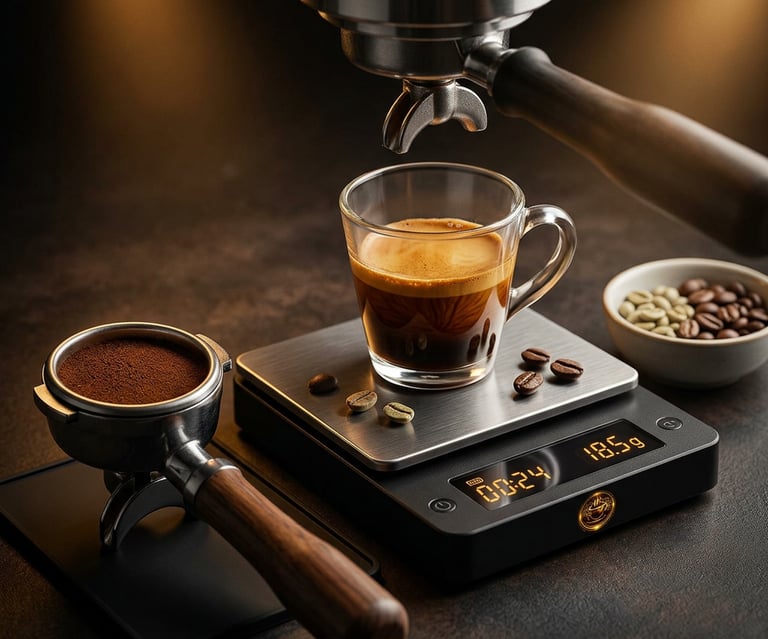
Espresso typically uses medium to dark roasts because they extract more easily under pressure and produce more body and crema.
Blends are commonly used because they provide consistency and balance across shots. They are designed to perform reliably under espresso conditions.
Single-origin beans can produce more distinct flavor profiles, but they often require more precise dialing and can be less forgiving.
Freshness plays a critical role. As coffee ages, it loses gas, which affects crema formation and extraction stability. Beans that are too fresh can extract unevenly, while stale beans produce flat, lifeless shots.
Grind Size and Dialing In
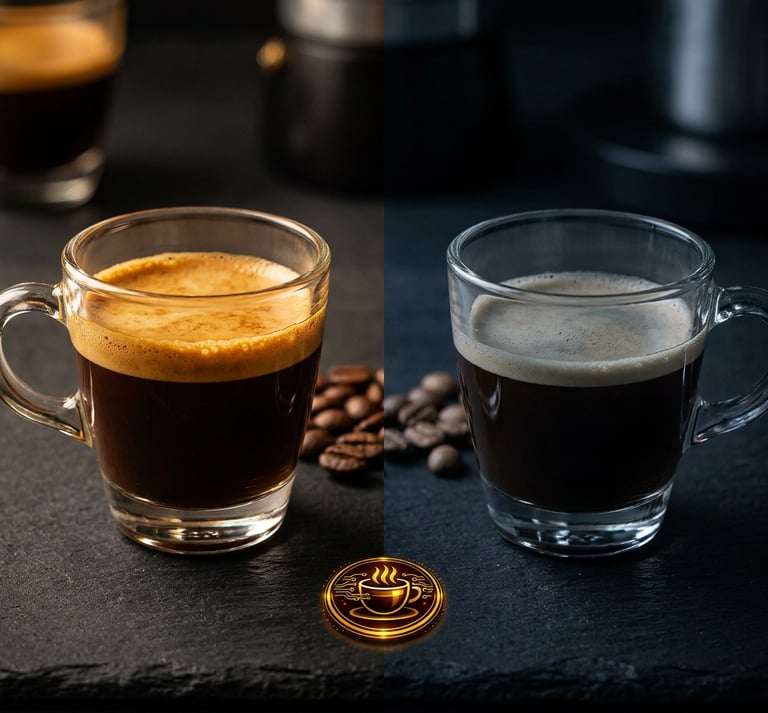

Grind size is one of the most sensitive variables in espresso.
A slightly finer grind increases resistance, slowing down the shot. A slightly coarser grind reduces resistance, speeding it up.
Because espresso operates within a narrow time range, even small adjustments can dramatically change the result.
Dialing in is the process of adjusting grind size, dose, and yield until the shot extracts within the desired time and tastes balanced.
This process is iterative. Each change affects multiple variables, so adjustments need to be controlled and consistent.
Key Espresso Variables
Every espresso shot is controlled by a set of core variables that must work together.
Dose
The amount of coffee in the portafilter. Increasing dose increases resistance and extraction time.
Yield
The amount of liquid espresso produced. This directly affects strength and balance.
Time
The total extraction time. This reflects how well the grind and dose are working together.
Grind Size
Controls flow rate. It is the primary adjustment used during dialing in.
Distribution and Tamping
Ensures the coffee bed is even and compact. Poor preparation leads to channeling and uneven extraction.
All of these variables are interconnected. Changing one requires adjusting others to maintain balance.
Espresso Accessories
Accessories support consistency and control throughout the process.
Core tools include:
Scales for precise measurement of dose and yield
Tampers for creating an even coffee bed
Distribution tools for improving puck consistency
Advanced tools allow further refinement:
WDT tools improve distribution at a micro level
Precision baskets improve flow uniformity
Bottomless portafilters help diagnose extraction issues
Accessories don’t replace technique, but they reduce variability and make results more repeatable.
Milk and Espresso Drinks
Espresso is the base for a wide range of drinks, each defined by how milk is added and textured.
Milk steaming introduces air and heat to create microfoam—a smooth, velvety texture that integrates with espresso.
Common drinks include:
Latte → espresso with a higher ratio of steamed milk
Cappuccino → equal parts espresso, milk, and foam
Flat white → espresso with fine microfoam and less volume
The quality of milk texture and pouring technique directly affects the final drink.
Common Espresso Mistakes
Most espresso problems come from inconsistency rather than equipment.
Inconsistent Grind
Small variations lead to unpredictable extraction times and flavor.
Poor Distribution
Uneven coffee beds create weak spots where water flows too quickly.
Incorrect Yield
Not measuring output leads to inconsistent strength and balance.
Changing Too Many Variables
Adjusting multiple factors at once makes it difficult to diagnose problems.
Using Stale Beans
Old beans reduce crema and flatten flavor.
Building an Espresso Setup
A basic espresso setup includes:
Espresso machine
Grinder
Scale
Tamper
From there, accessories can be added to improve workflow and precision.
The most important factor is consistency. A simple setup used correctly will outperform a complex setup used inconsistently.
Why Espresso
Matters
Espresso is the most concentrated form of coffee brewing.
It highlights both quality and technique more than any other method.
Because of its intensity, it:
Amplifies flavor differences
Reveals inconsistencies in preparation
Rewards precision and control
This makes it both challenging and highly rewarding.
Frequently Asked Questions
What is espresso and how is it different from regular coffee?
Espresso is a brewing method that uses high pressure to extract coffee quickly, producing a concentrated shot with more body and intensity than regular drip coffee. It contains more dissolved solids and oils, which gives it a thicker texture and richer flavor.
What grind size is best for espresso?
Espresso requires a very fine grind, similar to table salt or slightly finer. The grind must create enough resistance to slow the water flow, allowing proper extraction within the ideal time range.
What is a good espresso ratio to start with?
A common starting point is a 1:2 ratio—meaning if you use 18 grams of coffee, you aim for 36 grams of liquid espresso. This provides a balanced baseline for dialing in flavor.
Why does my espresso taste sour or under-extracted?
Sour espresso is usually caused by under-extraction. This can happen if the grind is too coarse, the shot pulls too quickly, or the dose is too low. Adjusting grind size finer is typically the first fix.
Why does my espresso taste bitter or over-extracted?
Bitter espresso is often the result of over-extraction. This happens when the grind is too fine, the shot runs too long, or too much coffee is used. Coarsening the grind slightly usually helps correct this.
How important is fresh coffee for espresso?
Fresh coffee is critical. Beans perform best within a few weeks of roasting. Fresh beans produce better crema, more stable extraction, and stronger flavor compared to stale coffee.
Do I need an expensive machine to make good espresso?
No. While higher-end machines offer more control and consistency, good espresso depends more on grind quality, fresh beans, and proper technique than price alone.
How long should an espresso shot take?
Most espresso shots should extract in 25–30 seconds. This is a guideline, not a rule. The goal is balanced flavor, and time is adjusted based on grind size and dose.
Final Thoughts
Espresso isn’t complicated—it’s precise.
Once you understand how pressure, grind, dose, and time interact, the process becomes predictable.
Consistency is built through repeatable steps. The more controlled your workflow, the better your results.
Machines and tools support the process, but the outcome always depends on how well the variables are managed.
Master the fundamentals, and everything else becomes easier.
Contact@TheBuzzHQ.com
© 2026 Coffee Tech Buzz. All rights reserved.
Coffee Tech Buzz
Smarter brewing through better gear, clearer insights, and real-world performance testing.
Built for home users who want consistency without guesswork.
We focus on how machines actually perform — not just what they claim.
Home
Coffee Equipment Guide
Coffee Makers & Machines
Coffee Grinders
Espresso Gear & Guides
Coffee Beans & Roasts
Coffee Accessories & Tools
For educational purposes only.
We may earn commissions from qualifying purchases.
General Inquiries: