
Espresso Portafilter Guide
A portafilter might look like a simple handle with a basket attached, but it directly affects workflow, consistency, extraction behavior, thermal stability, and even how your espresso tastes in the cup. As part of the broader Espresso Gear & Guides workflow, the portafilter becomes one of the most important connection points between your grinder, puck prep routine, and machine performance. Once you move beyond entry-level espresso gear, it stops feeling like a basic accessory and starts functioning more like a precision brewing tool.
The challenge is that most espresso users buy portafilters backward. They focus on appearance first, then compatibility later. That leads to poor fitment, leaking group heads, inconsistent extraction, bad basket sizing, or accessories that never properly work together.
This guide breaks down what espresso portafilters actually do, how basket sizing changes extraction, why 54mm and 58mm systems behave differently, and how to choose the right setup for your machine and brewing goals.
Whether you’re building your first espresso station or upgrading into a more precision-focused setup, understanding portafilters makes every other espresso upgrade easier.
What Is an Espresso Portafilter?
A portafilter is the handled brewing device that locks into the espresso machine’s group head. It holds the filter basket that contains your ground coffee during extraction.
Hot pressurized water passes through the coffee puck inside the basket before flowing into your cup. Because the portafilter controls basket size, puck depth, thermal mass, and extraction geometry, it plays a much larger role in espresso quality than most beginners realize.
Most modern espresso setups use one of three styles:
Spouted portafilters
Bottomless (naked) portafilters
Pressurized portafilters
Each style changes how espresso flows during extraction and how forgiving the setup feels during dialing-in.
If you’re still learning how espresso extraction works overall, starting with How Espresso Machines Work can make the differences between these designs much easier to understand.
54mm Portafilters
54mm systems are commonly found on Breville machines and beginner-friendly espresso setups. They’re easier to approach for newer users because the deeper puck can sometimes feel slightly more forgiving during dialing-in.
They also tend to:
Use smaller baskets
Require less coffee per shot
Heat up faster
Cost less overall
For many home users, 54mm setups offer excellent espresso quality without the larger commercial ecosystem attached to 58mm machines.
If you’re considering upgrading accessories around this platform, Best 54mm Portafilters covers the strongest options for Breville-style espresso setups.
58mm Portafilters
58mm is considered the commercial espresso standard. Most prosumer and commercial machines use it because the wider basket geometry supports higher consistency, better puck prep flexibility, and larger accessory compatibility.
58mm systems typically offer:
Better accessory availability
More basket options
Improved puck prep space
More consistent extractions at higher precision levels
Easier upgrades over time
The tradeoff is that they usually demand more precision from your grind size, tamping, distribution, and puck prep.
If you plan on heavily upgrading your espresso workflow over time, 58mm systems generally provide the larger long-term ecosystem. For a deeper breakdown of upgrade paths and compatibility, see Best 58mm Portafilters.
You can also compare the two ecosystems directly in 54mm vs 58mm Portafilters.
Why Portafilter Size Matters
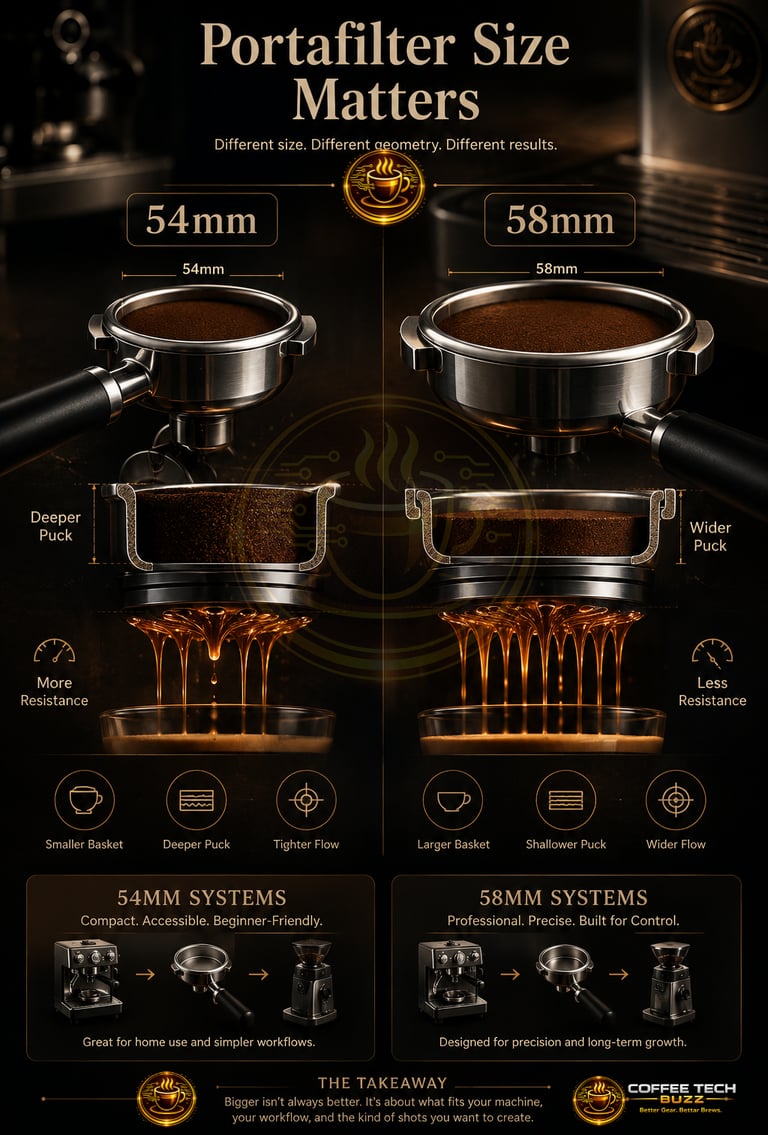
Portafilter diameter changes the shape of the coffee puck. That sounds minor until you realize puck geometry directly impacts extraction resistance, channeling behavior, grind requirements, and shot consistency.
Smaller baskets create deeper coffee beds. Larger baskets create wider, shallower pucks.
The two dominant sizes in home espresso are 54mm and 58mm.
Spouted vs Bottomless Portafilters
One of the first upgrades many espresso users make is switching from a
spouted portafilter to a bottomless design.
The difference is larger than aesthetics alone.
Spouted Portafilters
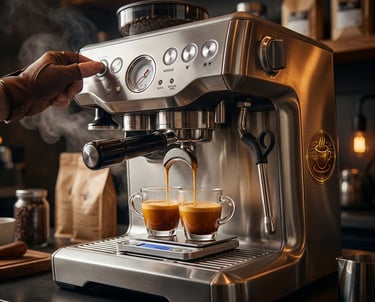
Traditional spouted portafilters route espresso through one or two spouts beneath the basket.
They help:
Reduce spray
Hide extraction imperfections
Split shots cleanly
Create less mess during daily brewing
For beginners, spouted designs are often easier to live with.
Bottomless Portafilters
Bottomless portafilters remove the spouted bottom entirely, exposing the basket during extraction.
This lets you visually diagnose:
Channeling
Uneven tamping
Distribution problems
Grind inconsistency
Over-extraction and under-extraction
When extraction is dialed correctly, bottomless shots produce a centered cone-shaped flow with rich crema and symmetrical extraction.
When your puck prep is poor, the portafilter immediately shows it.
That visibility is why many serious home baristas eventually switch to bottomless setups. If you want a deeper breakdown of extraction behavior and puck visibility, Bottomless Portafilters Explained covers the advantages and tradeoffs in more detail.
How Basket Depth Changes Extraction
Basket depth affects how water travels through the coffee puck.
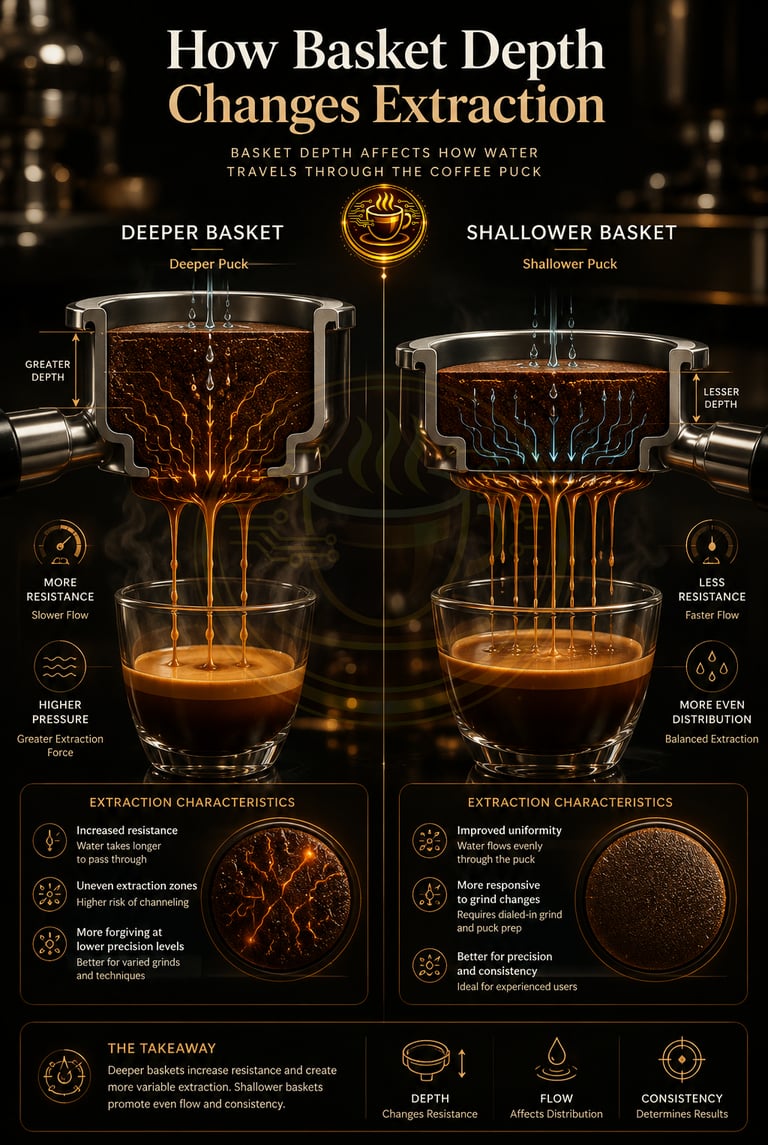
Deeper baskets can sometimes:
Increase resistance
Create uneven extraction zones
Become more forgiving at lower precision levels
Shallower baskets often:
Improve extraction uniformity
Respond faster to grind changes
Reward better puck prep
This is one reason why 58mm baskets are popular in commercial environments. The wider puck geometry can support more even water distribution across the coffee bed.
However, basket quality often matters more than diameter alone.
A high-quality precision basket can dramatically improve extraction consistency regardless of whether you use 54mm or 58mm equipment.
If you want to understand how basket geometry directly affects extraction behavior, How Portafilter Basket Depth Affects Espresso Shots explains why puck thickness changes shot performance.
Pressurized vs Non-Pressurized Portafilters
Not all portafilters extract espresso the same way.
Pressurized Portafilters
Pressurized systems artificially create brewing pressure through a restricted outlet design. They’re designed to help beginners produce crema-like espresso even with inconsistent grinders or pre-ground coffee.
They’re forgiving, but they also reduce extraction transparency and flavor clarity.
Non-Pressurized Portafilters
Non-pressurized baskets rely entirely on grind size and puck resistance to create proper extraction pressure.
This allows:
Better shot control
Improved flavor separation
More balanced extraction
Better espresso texture
Most espresso enthusiasts eventually transition to non-pressurized systems once they own a capable grinder.
If you’re comparing both extraction styles directly, Pressurized vs Non-Pressurized Portafilters Explained breaks down when each setup actually makes sense.
Why Portafilters Change Espresso Extraction
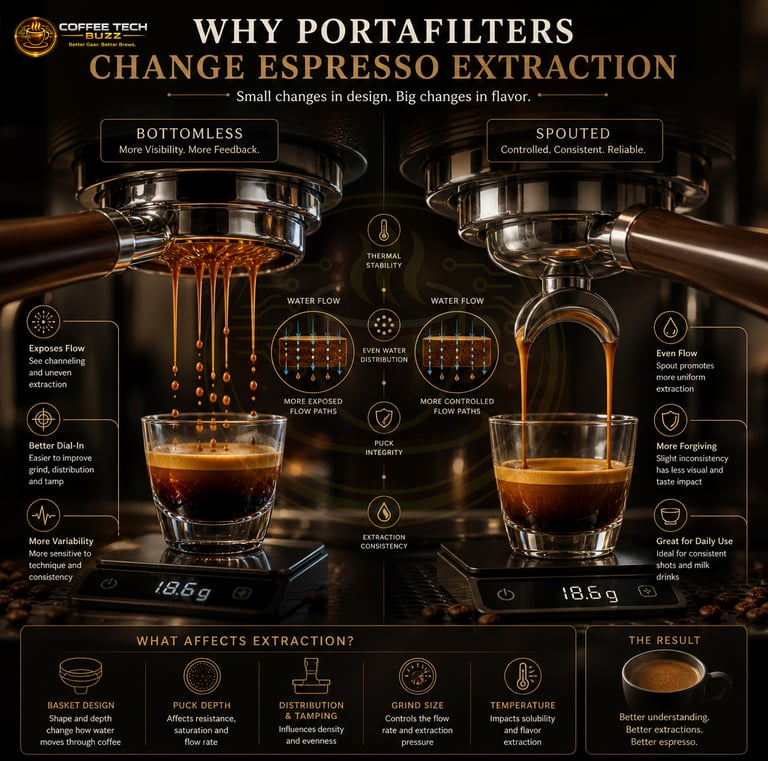
Portafilters influence how evenly water moves through the puck during brewing. Basket design, puck depth, hole pattern consistency, and thermal retention all impact extraction stability.
That’s why changing baskets or moving from pressurized to bottomless setups can completely change how your espresso behaves — even on the same machine.
If you’ve noticed sourness, bitterness, or inconsistent shot timing after changing accessories, Why Portafilter Size Changes Espresso Extraction explains the extraction science behind those differences.

Materials and Thermal Stability
Portafilters are usually made from brass, stainless steel, aluminum, or combinations of plated metals.
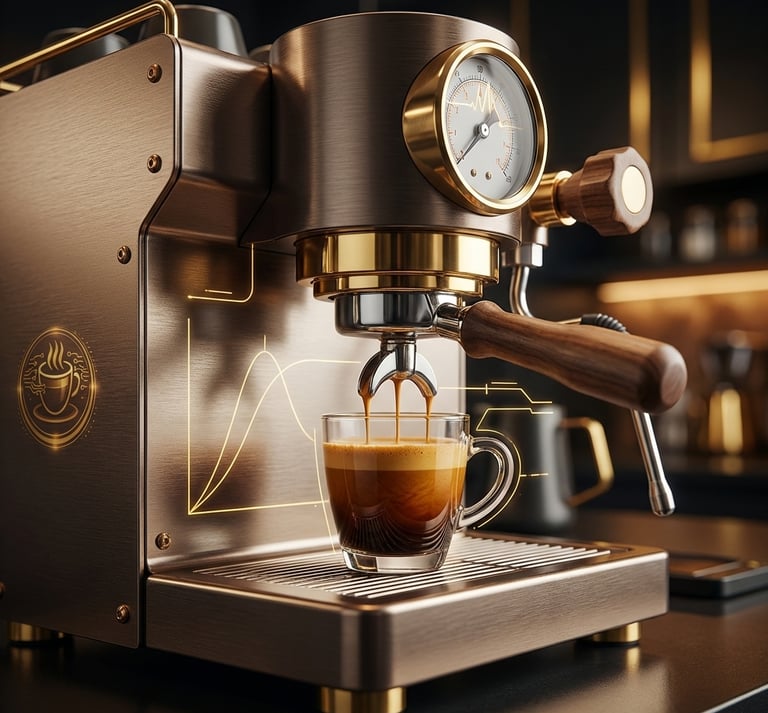
Heavier portafilters generally retain heat better, which improves extraction consistency during repeated shots.
Thermal stability matters because espresso is highly temperature-sensitive. If the portafilter cools too quickly, extraction balance changes shot-to-shot.
Wood handles, rubberized grips, and custom materials mainly affect ergonomics and aesthetics rather than extraction itself.
Material choice can also influence heat retention during longer brewing sessions. If you want a deeper look at thermal behavior, Does Portafilter Material Affect Espresso Flavor or Heat Retention? covers how different metals behave during extraction.
Building a Better Espresso Workflow
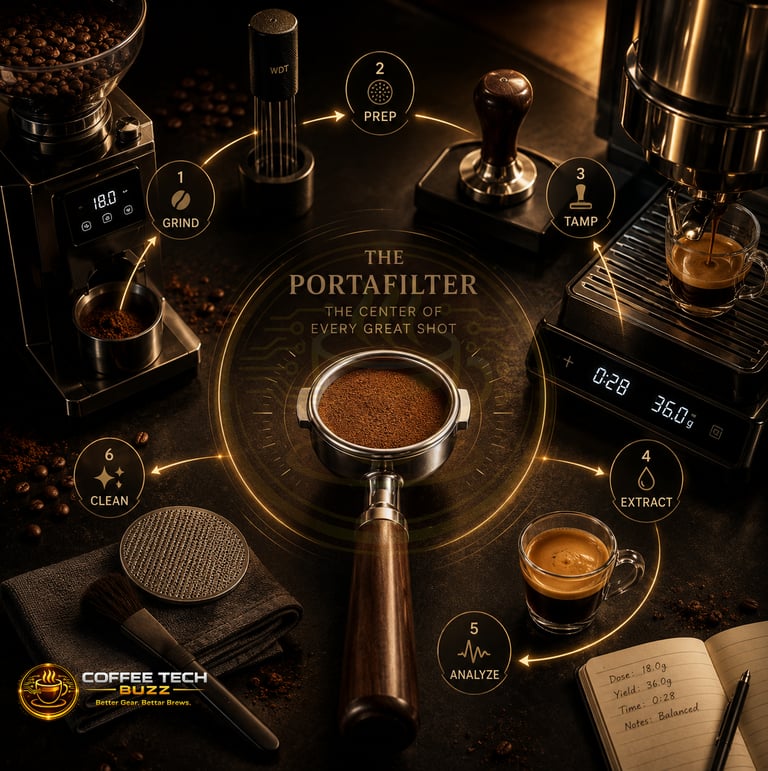
The portafilter sits at the center of espresso preparation. Every workflow step connects back to it:
Grinding
Distribution
WDT
Tamping
Basket selection
Extraction analysis
Cleaning routines
As your espresso setup improves, the portafilter stops feeling like a simple accessory and starts functioning more like a precision brewing tool.
That’s also why serious espresso setups eventually become highly personalized. Basket preferences, extraction styles, roast levels, and grinder behavior all influence what feels “best” for a specific workflow.
If you’re building a complete espresso station from scratch, combining this guide with Best Espresso Setup for Beginners helps create a much more balanced beginner workflow.
Choosing the Right Portafilter Setup
The best portafilter depends more on your machine ecosystem and workflow goals than on internet hype.
If you want:
Easier daily espresso workflow
Lower equipment cost
Beginner-friendly dialing
Smaller kitchen footprint
A quality 54mm setup can be excellent.
If you want:
Long-term upgrade flexibility
Commercial accessory compatibility
Precision-focused espresso workflow
Maximum basket and puck prep options
58mm systems usually make more sense.
The biggest mistake is mixing incompatible accessories without understanding basket depth, machine clearance, or group head compatibility.
If you’re still refining the rest of your espresso station, pairing this guide with Complete Espresso Grinder Guide helps prevent mismatched grinder and basket setups.
Should You Upgrade Your Portafilter First?
Usually, no.
A grinder upgrade almost always improves espresso more than a portafilter upgrade.
Once you already have:
A capable espresso machine
Consistent puck prep
A proper grinder
Fresh beans
Then moving into:
Precision baskets
Bottomless portafilters
Higher-quality tampers
Better distribution tools
Starts making much more sense.
The portafilter becomes more important as the rest of your espresso workflow improves.
If your grinder still struggles with espresso consistency, upgrading into one of the options from Best Coffee Grinders for Espresso usually produces a larger improvement first.
Common Espresso Portafilter Mistakes
Many espresso issues blamed on machines actually start at the portafilter level.
Common problems include:
Using incompatible baskets
Overfilling the basket
Uneven tamping
Poor distribution
Incorrect basket depth
Using pressurized baskets with good grinders
Ignoring thermal preheating
Even small puck prep inconsistencies become obvious once you start using bottomless extraction.
That’s why experienced espresso users often spend more time refining workflow consistency than buying entirely new machines.
If your espresso tastes harsh, sour, or inconsistent after upgrading accessories, Common Espresso Mistakes can help isolate whether the problem comes from puck prep, grind settings, or extraction technique.
Frequently Asked Questions
Are espresso portafilters universal?
No. Portafilters vary by diameter, lug design, basket depth, and machine compatibility. Even machines using the same diameter may not share identical locking systems. Are Espresso Portafilters Universal? explains why compatibility problems are so common.
Is 58mm better than 54mm for espresso?
Not automatically. 58mm systems offer larger accessory ecosystems and greater precision potential, but 54mm setups can still produce outstanding espresso.
Why do people use bottomless portafilters?
Bottomless portafilters expose extraction problems visually, making it easier to improve puck prep and shot consistency.
Can a bottomless portafilter improve espresso taste?
Indirectly, yes. The portafilter itself doesn’t magically improve flavor, but it helps identify extraction problems that affect taste.
Are pressurized portafilters bad?
Not necessarily. They help beginners produce usable espresso with entry-level grinders or pre-ground coffee. They simply offer less control and transparency.
Do heavier portafilters make better espresso?
Heavier portafilters can improve thermal stability, but basket quality, grinder consistency, and puck prep matter more overall.
Why does my espresso spray from a bottomless portafilter?
Spraying usually comes from channeling caused by uneven puck prep, inconsistent grind distribution, or improper tamping. Why Your Espresso Shot Sprays Everywhere with a Bottomless Portafilter explains the most common causes.
Do expensive portafilters matter?
High-end portafilters mainly improve machining quality, thermal stability, ergonomics, and compatibility. They won’t compensate for poor grinders or inconsistent workflow.
Should beginners use bottomless portafilters?
They can, especially for learning. Just expect a steeper learning curve and a messier dialing-in process initially.
What matters more: the basket or the portafilter?
Usually the basket. Precision baskets often have a larger impact on extraction consistency than the outer portafilter body itself.

Final Thoughts
Espresso brewing is less about the machine and more about control.
Every method—from manual to fully automatic—follows the same principles. The difference is how much of that process you control.
Once you understand how each variable affects extraction, the method becomes a tool—not a limitation.
Building a repeatable workflow often comes down to combining proper technique with the right tools, such as those found in Best Espresso Scales, Best Espresso Tampers, and Best Milk Frothing Pitchers.
Consistency comes from repeatable steps. The better your workflow, the better your results.
Contact@TheBuzzHQ.com
© 2026 Coffee Tech Buzz. All rights reserved.
Coffee Tech Buzz
Smarter brewing through better gear, clearer insights, and real-world performance testing.
Built for home users who want consistency without guesswork.
We focus on how machines actually perform — not just what they claim.
Home
Coffee Equipment Guide
Coffee Makers & Machines
Coffee Grinders
Espresso Gear & Guides
Coffee Beans & Roasts
Coffee Accessories & Tools
For educational purposes only.
We may earn commissions from qualifying purchases.
General Inquiries: