
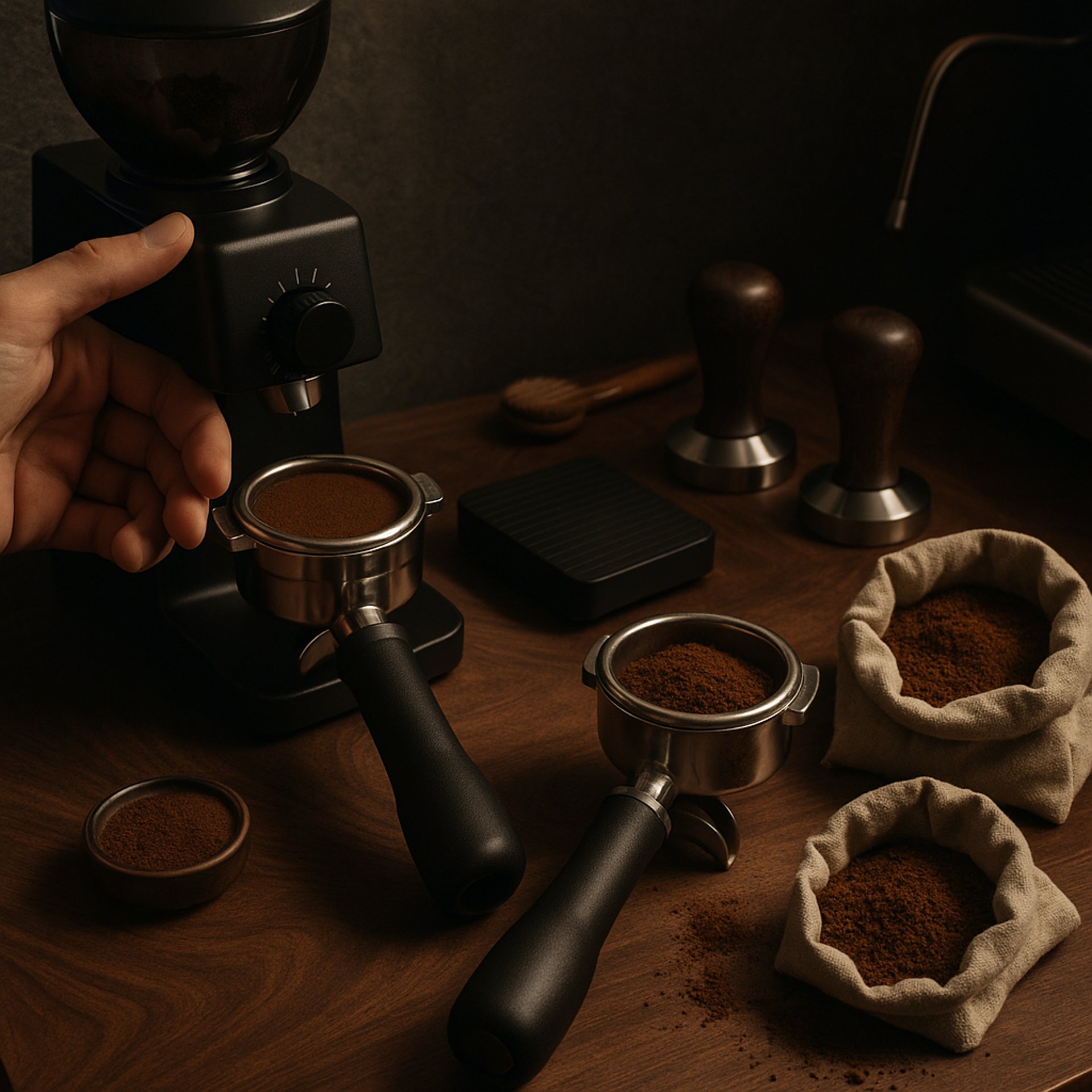
Pressurized vs Non-Pressurized Portafilters Explained
Explore the key differences between pressurized portafilters and non-pressurized ones to master espresso brewing with greater control and consistency.
ESPRESSO
The Coffee Tech Buzz Editorial Team - Led by AJ “Buzz” Eichman
5/7/20268 min read
When refining espresso at home, control over each brewing variable is fundamental to achieving consistent results. Among the tools that directly influence this control is the portafilter—a seemingly simple component that plays a critical role in pressure regulation and extraction dynamics. Understanding the functional differences between pressurized and non-pressurized portafilters is essential for home baristas looking to predictably shape their espresso shots and optimize their brewing workflow inside Espresso Gear & Guides.
This explanation clarifies how each portafilter type operates, their impact on espresso quality, and practical considerations for consistent espresso brewing within typical home setups. Whether upgrading through the recommendations in Espresso Portafilter Guide or troubleshooting inconsistent shots, understanding how pressure is generated inside the portafilter dramatically changes how you approach espresso extraction.
Quick Verdict
Pressurized portafilters generate internal pressure through a valve mechanism, simplifying crema production and forgiving grind inconsistencies but limiting fine control over extraction.
Non-pressurized portafilters rely entirely on proper grind size, dosing, tamping, and machine pressure to produce espresso, offering greater precision and typically richer flavor complexity.
Beginners and users with pre-ground or lower-quality coffee often find pressurized portafilters more consistent and easier to use, while those prioritizing control and espresso quality gravitate toward non-pressurized types.
Mastery of grind size, tamping technique, and dosing is critical for successful use of non-pressurized portafilters, where small adjustments strongly influence shot outcomes.
What is a Pressurized Portafilter?
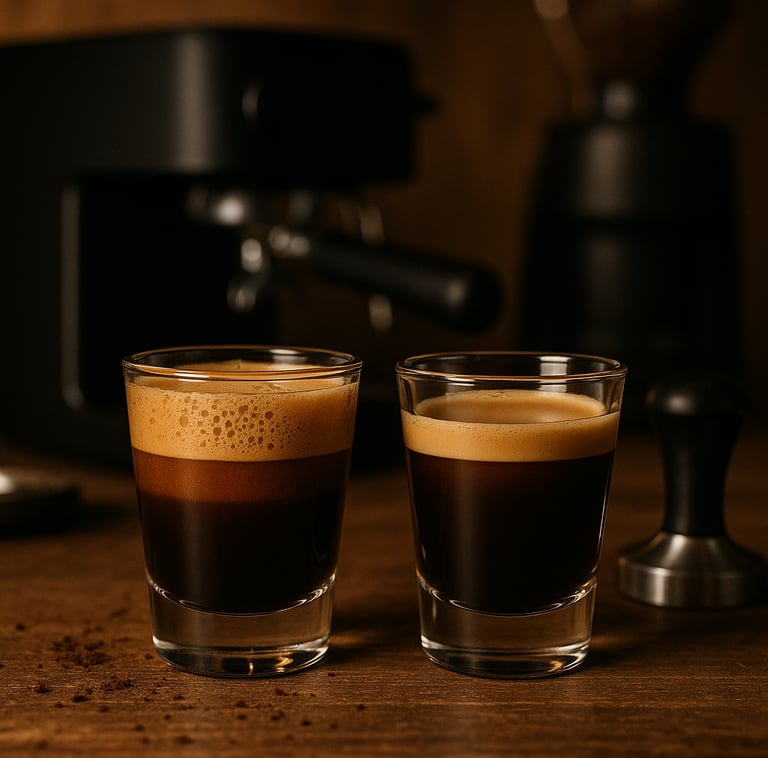
A pressurized portafilter includes an internal pressure-actuated valve that restricts flow exiting the coffee basket. This mechanism creates back pressure by limiting liquid flow through the puck and forcing a buildup of pressure inside the basket itself. The result is an artificially generated pressure environment that mimics the 9 bars typically produced by espresso machine pumps but does so regardless of grind uniformity or tamp precision.
This design is particularly valuable for home users dealing with pre-ground coffee or inconsistent grind particles. The internal valve compensates for channeling caused by coarser or uneven grounds by maintaining resistance that encourages reasonable extraction pressure. Consequently, the pressurized portafilter often produces crema even from stale or low-quality coffee, providing an appearance of well-extracted espresso despite underlying quality issues.
However, this pressure regulation reduces direct control over variables during brewing. Because the pressure is controlled mechanically within the portafilter rather than by user-adjusted grind size or tamping density, nuance in extraction timing and flavor balance is less attainable. Users comparing machine ecosystems through Best 54mm Portafilters and Best 58mm Portafilters often notice these differences immediately once they move from entry-level systems into more advanced workflows.
How Does a Non-Pressurized Portafilter Work?
Non-pressurized portafilters forego any internal pressure mechanism, relying solely on the machine’s pump, proper grind size, precise tamping, and consistent dosing to build resistance and achieve extraction pressure. With this setup, the 9-bar pressure indicated on most machines directly impacts the coffee puck, and the flow rate is entirely dependent on the puck’s integrity and uniformity.
This design places responsibility squarely on technique. The grind must be fine enough and consistent to create sufficient puck resistance without causing over-extraction or channeling. Simultaneously, tamping pressure must be uniform to avoid weak points where water can bypass the coffee evenly. Dose consistency also profoundly affects the puck's density and resulting pressure.
The benefit is complete control. Extracting espresso with a non-pressurized portafilter allows the brewer to refine every variable affecting pressure dynamics, controlling flow rate, extraction time, and ultimately the espresso's flavor profile and crema characteristics very precisely. This method rewards technical skill and repetition, enabling highly repeatable outcomes once parameters are dialed in.
These extraction behaviors become even more obvious when comparing basket geometry in 54mm vs 58mm Espresso Baskets Explained and the flow characteristics discussed in Why Portafilter Size Changes Espresso Extraction.
Impact on Espresso Extraction and Pressure Dynamics
Pressure plays a central role in espresso extraction, influencing solubility and the balance of desirable compounds extracted from coffee grounds. With pressurized portafilters, the internal valve elevates pressure regardless of grind and tamp quality, masking flaws in puck preparation but also constraining modulation of extraction dynamics. This tends to lead to quicker extraction and a thicker, denser crema, yet flavor complexity may be muted due to uneven extraction beneath the surface appearance.
In contrast, non-pressurized portafilters depend on the interaction between puck resistance and machine pressure, making grind size the primary lever for adjusting flow and extraction time. A finer grind increases resistance, slowing water passage and encouraging fuller extraction, but risks over-extraction and bitterness if pushed too far. Conversely, a coarser grind reduces resistance, potentially under-extracting acids and sugars critical to espresso’s balance.
This dependence on grind, dose, and tamp precision means extraction variability surfaces immediately if these variables drift. However, when controlled tightly, non-pressurized portafilters deliver superior clarity and complex flavor profiles due to uniform extraction and proper pressure application. Many users evaluating upgrade paths eventually compare workflow behavior directly in 54mm vs 58mm Portafilters because basket size and pressure management interact heavily during espresso extraction.
Effect on Crema Quality and Consistency
Crema production is often cited as a key differentiator between portafilter types. Pressurized portafilters create crema through turbulent flow caused by the internal valve, generating microbubbles even from coffee grounds of mediocre freshness or grind. This can produce visually appealing crema quickly but may lack depth, body, and lasting texture.
Non-pressurized portafilters generate crema naturally from the espresso extraction process, with resistance generated solely by the coffee puck under pump pressure. This typically results in crema that is less voluminous but more stable and flavor-rich, reflecting the degree of oil and soluble compound extraction achieved through proper technique.
Over repeated brews, consistency in crema volume and quality is more reliable when using a non-pressurized portafilter—provided the variables of grind size, dose, tamp, and machine pressure remain stable.
User Control and Brewing Variables to Consider
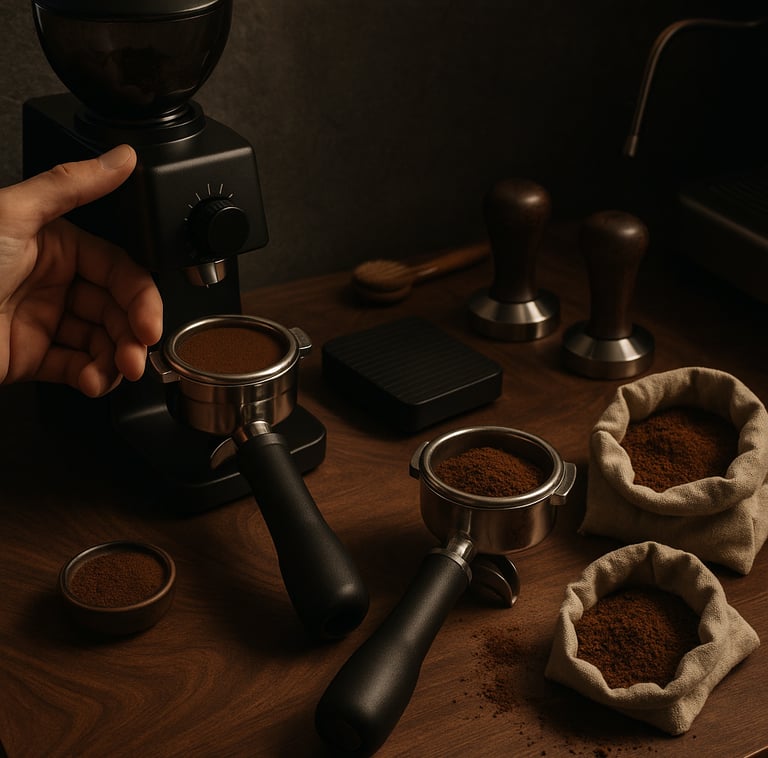
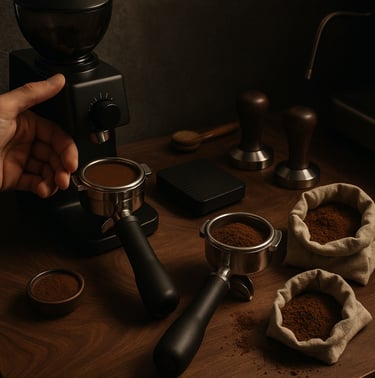
When considering portafilter types, it’s necessary to focus on the level of control the user must exert to achieve predictable results. Pressurized portafilters offer a forgiving environment: grind decrements are less critical, tamping pressure need not be exact, and even average coffee freshness will produce acceptable crema. This is why they are frequently paired with machines targeting beginner or casual home users.
The trade-off is less opportunity to refine extraction parameters. Pressurized portafilters restrict the brewer’s ability to adjust shot flow physically, meaning subtle tweaks to grind size have diminished effect. Over time, users may feel constrained if their goal is nuanced flavor development or a more refined espresso profile.
Non-pressurized portafilters require rigorous consistency. One variable tends to dominate initially: grind size, which impacts puck resistance and subsequently shot time, crema quality, and flavor development. Dose and tamp pressure are equally important to avoid channeling—water flowing unevenly through cracks in the puck—leading to under-extraction and weak flavor.
Careful attention to dose and tamp forces, along with cleaning routines that prevent buildup in baskets and spouts, are critical ongoing maintenance steps regardless of portafilter type but bear more immediate consequence for non-pressurized portafilters. Users frequently encounter these maintenance-related issues when troubleshooting extraction inconsistency in Why Cheap Espresso Portafilters Often Cause Bad Extraction.
Common Mistakes When Using Each Portafilter Type
Common errors often arise from misunderstanding the function of each portafilter variant. With pressurized portafilters, a typical mistake is ignoring grind size adjustments and using overly coarse coffee. Because the valve regulates pressure internally, users may assume technique has little impact, resulting in flat shots or harsh flavors from under-extracted coffee.
Non-pressurized portafilters present a steeper learning curve. Using pre-ground or stale coffee in these portafilters often yields poor crema and weak extraction because these portafilters depend heavily on fresh, well-ground coffee. Improper tamping—either too firm or uneven—can cause channeling, undermining puck integrity and leading to bitterness or sourness in the cup.
Another frequent oversight is inconsistent dosing, which disrupts puck density and variation in extraction pressure. Additionally, many neglect portafilter and basket cleaning, which leads to residual oils and coffee particles altering flow characteristics and flavor cleanliness.
Recognizing these pitfalls and responding methodically is essential to developing an espresso routine that yields predictable and high-quality results.
Who Should Use Which Portafilter?
Determining which portafilter type is appropriate depends on user experience, equipment, coffee freshness, and brewing goals. Novice home baristas or anyone using pre-ground coffee benefit from pressurized portafilters as they ease the pressure requirement and compensate for grind inconsistencies, allowing more consistent extraction without labor-intensive adjustments.
Enthusiasts advancing their technique, investing in a quality grinder, and seeking refined control over brewing variables should consider non-pressurized portafilters. When using freshly ground, high-quality beans, this approach unlocks the potential for more complex flavor and crema quality unavailable through a pressurized system.
Users with lower-end machines often rely on pressurized portafilters as an upgrade option because these machines sometimes cannot produce consistent 9 bars of pump pressure or have weaker steam capability. Transitioning to a non-pressurized portafilter requires attention to calibration and maintenance but rewards the brewer with a transparent view of how technique influences extraction.
Upgrade Paths and Compatibility with Espresso Machines
Many home espresso machines come equipped with pressurized portafilters by default, often accompanied by optional non-pressurized baskets or full portafilter replacements. Upgrading to a non-pressurized portafilter is a common step for intermediate home baristas seeking enhanced control over their shots.
Compatibility should be verified before purchase as basket size, portafilter handle design, and machine group head configuration vary. Some manufacturers provide branded upgrade kits that align precisely with machine specifications; aftermarket options are also available but may require additional adjustments or tamper modifications.
It is important to maintain the pressurized portafilter when not using the non-pressurized version, as switching back and forth frequently can lead to confusion over grind setting adjustments due to the fundamentally different pressure dynamics.
Investing in a quality grinder capable of consistent particle size is critical when upgrading, as inconsistent grind distribution undermines the advantages a non-pressurized portafilter offers.
Frequently Asked Questions
What is the main difference between pressurized and non-pressurized portafilters?
The main difference lies in pressure generation: pressurized portafilters contain a valve that creates pressure internally regardless of puck resistance, while non-pressurized portafilters depend entirely on puck compression and machine pump pressure to generate extraction pressure.
Which type of portafilter is better for beginners?
Pressurized portafilters are generally more suitable for beginners as they are more forgiving of grind inconsistencies and tamping technique, producing crema more reliably without expert calibration.
How does a pressurized portafilter affect espresso crema?
A pressurized portafilter forces water through a valve that creates turbulent flow, generating thicker crema even from lower-quality or stale grounds, though this crema may lack complexity compared to what non-pressurized portafilters produce.
Can I use pre-ground coffee with a non-pressurized portafilter?
Using pre-ground coffee in non-pressurized portafilters is usually suboptimal because they require precise grind size and freshness for consistent extraction and crema. Pre-ground coffee often leads to uneven extraction and weaker crema quality.
Does switching to a non-pressurized portafilter improve espresso quality?
Switching can improve espresso quality if accompanied by consistent grind size, dosing, tamping, and fresh coffee. Non-pressurized portafilters allow greater control and typically produce flavor profiles with more clarity and balance.
What grind size works best for each portafilter type?
Pressurized portafilters work better with slightly coarser ground coffee since resistance is mechanically aided, while non-pressurized portafilters require a finer, uniform grind to build proper puck resistance and achieve ideal flow rates.
Are there any machine compatibility issues with different portafilter types?
Yes. Not all espresso machines support both types interchangeably; portafilter size, basket shape, and group head design must be compatible. It is advisable to confirm machine compatibility before upgrading.
How do I maintain and clean pressurized vs non-pressurized portafilters?
Both require regular cleaning of baskets, spouts, and gaskets to prevent build-up of oils and coffee residues that affect flavor and flow. Pressurized portafilters also need routine inspection and cleaning of their valve mechanisms to maintain consistent pressure regulation.
Practical Conclusion
Achieving predictable espresso extraction hinges on understanding how each component contributes to pressure and flow. Pressurized portafilters provide a valuable buffer against variable grind quality and amateur technique, simplifying home espresso brewing by internally managing pressure. However, this convenience comes at the cost of reduced control and potential flavor oversimplification.
Non-pressurized portafilters demand precision in grind, dose, and tamp yet reward consistent practice with nuanced espresso shots that reflect the quality of coffee and the subtlety of technique. For home baristas committed to refining their process and elevating espresso quality over time, adopting non-pressurized portafilters often marks a crucial step.
Regardless of choice, consistency remains paramount. Small adjustments in grind size, tamp pressure, or cleanliness will ripple through the extraction process, affecting flavor clarity, crema stability, and overall shot quality. Understanding the inherent differences between pressurized and non-pressurized portafilters empowers brewers to make informed decisions tailored to their goals and equipment—ultimately making espresso a reliable, repeatable craft rather than a variable exercise in chance.
Contact@TheBuzzHQ.com
© 2026 Coffee Tech Buzz. All rights reserved.
Coffee Tech Buzz
Smarter brewing through better gear, clearer insights, and real-world performance testing.
Built for home users who want consistency without guesswork.
We focus on how machines actually perform — not just what they claim.
Home
Coffee Equipment Guide
Coffee Makers & Machines
Coffee Grinders
Espresso Gear & Guides
Coffee Beans & Roasts
Coffee Accessories & Tools
For educational purposes only.
We may earn commissions from qualifying purchases.
General Inquiries: