

WDT Tool vs Distributor
Showdown
A WDT tool is built to break up clumps and evenly distribute coffee at a micro level, while a distributor levels the surface of the puck before tamping.
Both aim to improve extraction—but they solve different problems in the workflow.
This comparison breaks down how each tool affects consistency, when to use them, and which one actually makes a bigger difference in your espresso results.
Both tools play a role within the full extraction workflow, which is broken down step-by-step in Espresso.
Transparency Note: We may earn a commission from qualifying purchases. Product selections are made independently and are not influenced by manufacturers.
What Each Tool Does
WDT Tool
A WDT (Weiss Distribution Technique) tool uses thin needles to stir and separate coffee grounds inside the portafilter.
Its purpose is to:
break up clumps
remove air pockets
evenly distribute density throughout the puck
This happens before any leveling or tamping.
This step becomes especially important when working with fine espresso grinds from setups like Best Coffee Grinders for Espresso.
Distributor
A distributor (also called a leveling tool) sits on top of the coffee and spins to create a flat, even surface.
Its purpose is to:
level the top of the coffee bed
create a consistent surface before tamping
It does not change density below the surface.
Surface leveling only works effectively when paired with consistent puck compression using tools like Best Espresso Tampers.

THE SHOWDOWN
IKAPE WDT Tools
MATOW Distributor
✓ Clump Removal
✓ Even Distribution
✓ Improved Extraction
✓ Surface Leveling
✓ Workflow Speed
✓ Consistent Tamping
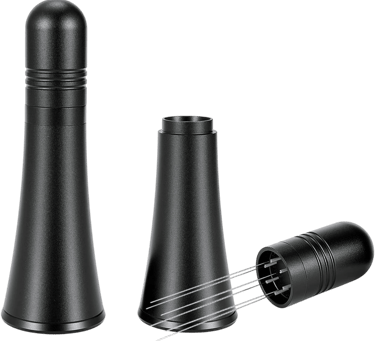
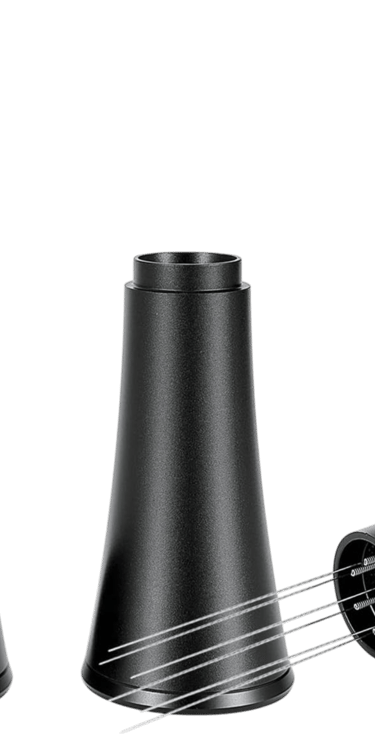
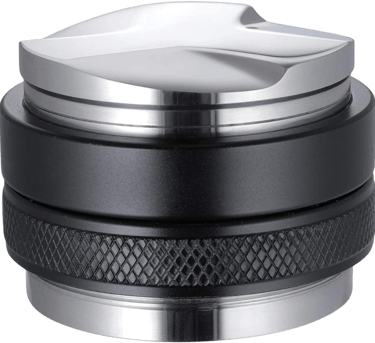
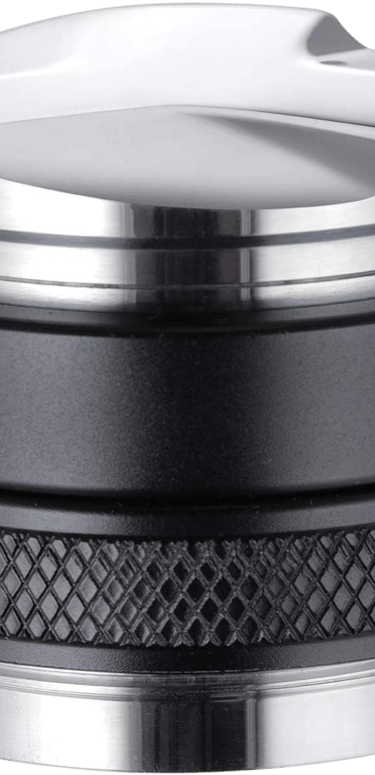





Surface vs Internal Distribution
The biggest difference is where each tool works.
WDT → fixes distribution inside the puck
Distributor → fixes the surface level
WDT addresses the root problem. Distributors address the final shape.
Impact on Extraction
WDT has a larger effect on extraction quality.
Internal distribution directly affects flow rate and shot balance, which is explained further in Espresso Ratio Explained.
By removing clumps and improving density, it reduces channeling and allows water to flow more evenly through the puck.
Distributors improve consistency, but don’t correct deeper issues. If the coffee is uneven internally, leveling the top won’t fix it.
Consistency and Repeatability
WDT creates more consistent puck structure overall, especially with fine espresso grinds that tend to clump.
Distributors help with repeatable tamping by ensuring a flat surface, but rely on the coffee already being well distributed.
Key Differences
Workflow Position
These tools are used at different stages:
WDT → after dosing, before leveling/tamping
Distributor → after WDT (or dosing), before tamping
They are not direct replacements—they can be used together.
Ease of Use
WDT Tool
Requires manual technique
Takes slightly more time
Learning curve for consistency
Once learned, it becomes quick and repeatable.
Distributor
Very easy to use
Minimal technique required
Fast and consistent
It’s a low-effort tool that fits easily into any workflow.
Repeatability improves even further when tracking yield and timing with tools from Best Espresso Scales. This is especially noticeable when dialing in espresso and adjusting variables step-by-step, as covered in How to Dial in Espresso.
Which One Improves Your Espresso More?
For most setups:
👉 WDT provides the bigger improvement
It directly affects how water flows through the coffee, which is the core of extraction.
Distributors improve consistency, but mainly at the surface level.
If you had to choose one, WDT has the greater impact on shot quality.
When to Use Both
Using both tools together creates a more complete workflow.
WDT ensures even internal distribution
Distributor ensures a flat, consistent surface
This combination reduces channeling and improves repeatability.
For higher-end setups or precision workflows, both tools make sense.
Using both tools becomes more valuable in setups where extraction issues like sourness or bitterness need to be isolated, as explained in Why Espresso Tastes Sour and Why Espresso Tastes Bitter.
Who Each Tool Is For
Choose a WDT Tool if:
You want better extraction consistency
You’re dialing in espresso regularly
You’re dealing with clumping from fine grinds
Choose a Distributor if:
You want a faster, simpler workflow
You prefer minimal technique
You already have good distribution
Use Both if:
You want maximum consistency
You’re refining your workflow
You’re chasing repeatable results
Common Mistakes
Skipping WDT Entirely
Clumping is common with espresso grinds. Ignoring it leads to uneven extraction. This is one of the most common causes of uneven extraction patterns highlighted in Common Espresso Mistakes.
Relying Only on a Distributor
Leveling the surface doesn’t fix internal inconsistencies.
Overworking the Coffee
Too much stirring or leveling can create its own inconsistencies. Keep movements controlled and repeatable.
Frequently Asked Questions
What is the main difference between a WDT tool and a distributor?
A WDT tool improves internal distribution by breaking up clumps and evening out density, while a distributor only levels the surface of the coffee bed before tamping. They work at different stages and solve different problems.
Do I need both a WDT tool and a distributor?
Not necessarily. A WDT tool has a greater impact on extraction quality, so it should be prioritized. A distributor can be added later to improve workflow consistency and surface leveling.
Does a WDT tool actually improve espresso quality?
Yes. By reducing clumps and improving internal distribution, WDT helps water flow more evenly through the puck, which reduces channeling and leads to more balanced extraction.
Can a distributor replace a WDT tool?
No. A distributor only levels the top of the coffee bed and does not fix uneven density or clumping inside the puck. It cannot replace the function of a WDT tool.
Is a distributor worth it for beginners?
It can be helpful for creating a consistent, level surface before tamping, especially for beginners. However, it won’t improve extraction as much as a WDT tool.
When should I use a WDT tool in my workflow?
WDT should be used immediately after dosing coffee into the portafilter and before any leveling or tamping. This ensures the grounds are evenly distributed before compression.
Can using both tools improve consistency?
Yes. WDT improves internal structure, while a distributor ensures a flat surface. Using both creates a more controlled and repeatable workflow, especially for precision setups.
Does WDT take longer than using a distributor?
Slightly. WDT requires manual stirring, which adds a few seconds to the workflow. However, the improvement in extraction quality usually outweighs the added time.
Final Verdict
WDT tools and distributors serve different roles, but they are not equal in impact.
WDT tools address the core issue—uneven distribution inside the puck—making them the more important upgrade for most users.
Distributors improve surface consistency and workflow speed, but don’t solve deeper extraction problems.
For complete workflow control, pairing proper puck prep with the right extraction visibility tools like those compared in Bottomless vs Spouted Portafilter can further improve results.
For the best results, use both.
If you have to choose one, start with WDT.
Contact@TheBuzzHQ.com
© 2026 Coffee Tech Buzz. All rights reserved.
Coffee Tech Buzz
Smarter brewing through better gear, clearer insights, and real-world performance testing.
Built for home users who want consistency without guesswork.
We focus on how machines actually perform — not just what they claim.
Home
Coffee Equipment Guide
Coffee Makers & Machines
Coffee Grinders
Espresso Gear & Guides
Coffee Beans & Roasts
Coffee Accessories & Tools
For educational purposes only.
We may earn commissions from qualifying purchases.
General Inquiries: