
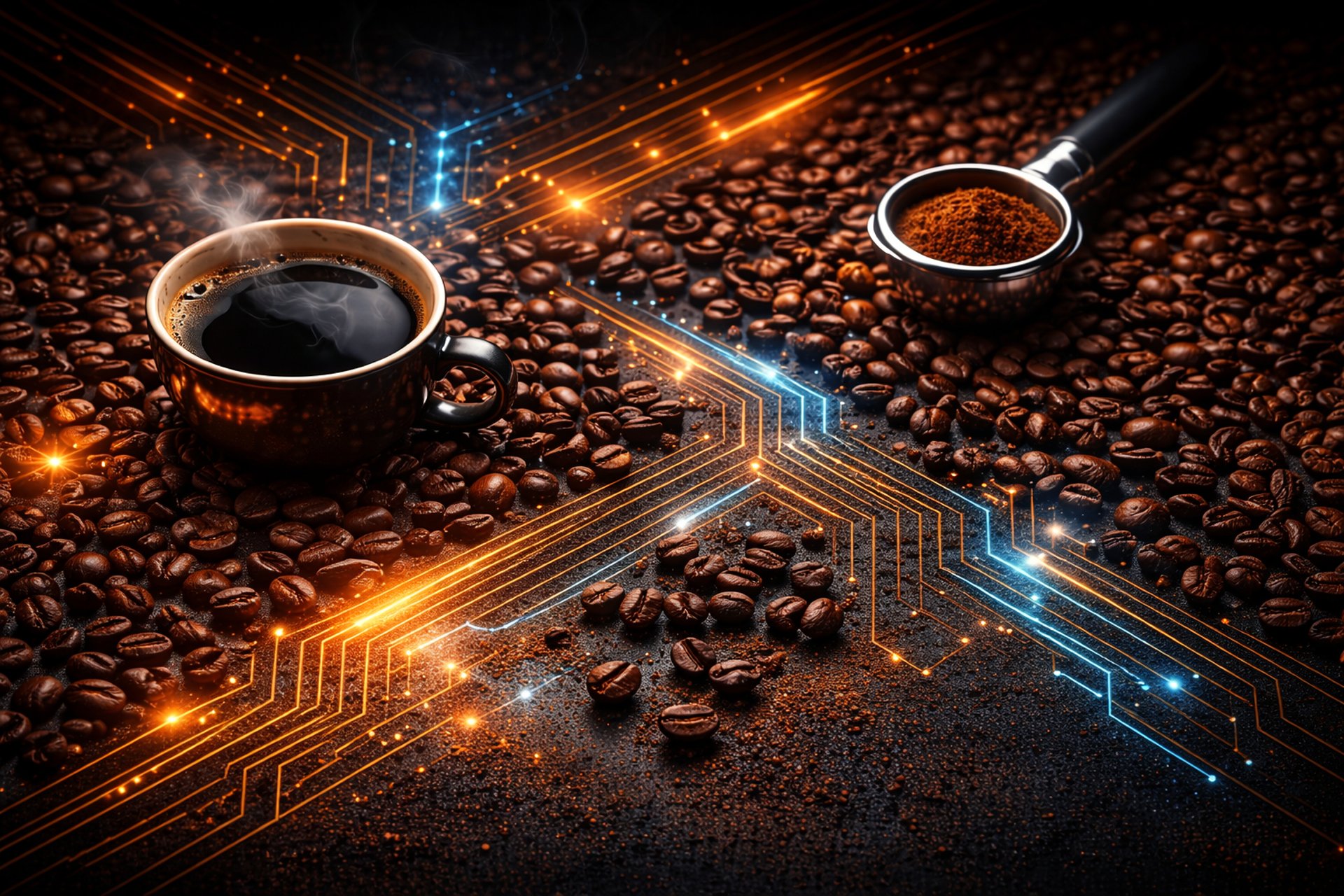
THE SHOWDOWN
Manual vs Electric Coffee Grinders
Timemore Chestnut C3 vs
Baratza Encore ESP
Choosing between manual and electric grinders comes down to control vs convenience.
Manual grinders give you more precision and consistency for the price, but require effort and time. Electric grinders prioritize speed and ease of use, making them better for daily routines.
The Timemore Chestnut C3 represents the precision and simplicity of manual grinding, while the Baratza Encore ESP shows what electric grinders offer in convenience and consistency.
This comparison breaks down which one actually fits your workflow.
Transparency Note: We may earn a commission from qualifying purchases. Product selections are made independently and are not influenced by manufacturers.
Quick Verdict
Manual grinders offer better grind quality for the price and more control.
Electric grinders are faster, easier to use, and better for daily convenience.
If you prioritize precision and don’t mind the effort, manual grinders are the better choice.
If you want speed and ease of use, electric grinders are the better fit.
That control becomes more noticeable when dialing in properly—Best Grind Size for Espresso (Beginner Guide) and Best Grind Size for Pour Over (Dialing It In) show how grind precision impacts results.

THE SHOWDOWN
Timemore Chestnut
Baratza Encore ESP
✓ Strong Value
✓ Compact & Portable
✓ High Consistency
✓ Fast Grinding
✓ Easy Operation
✓ Espresso Capable
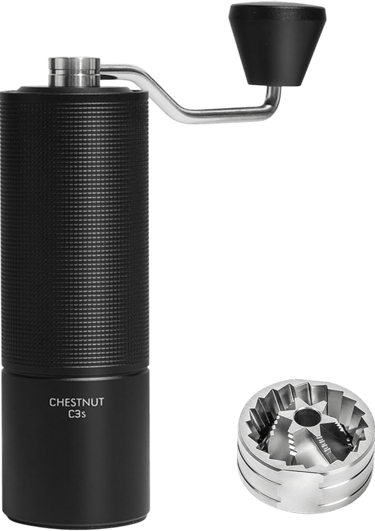
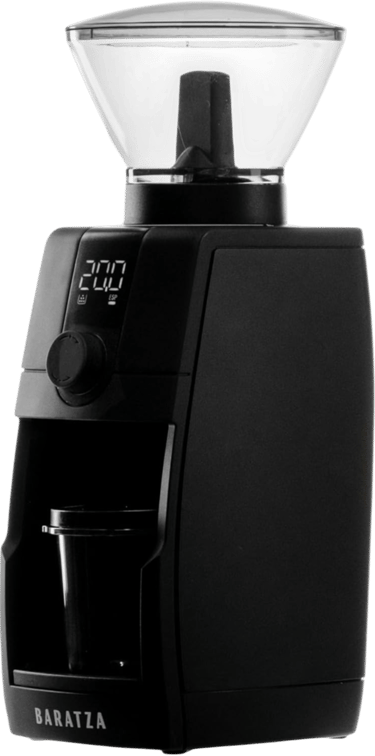
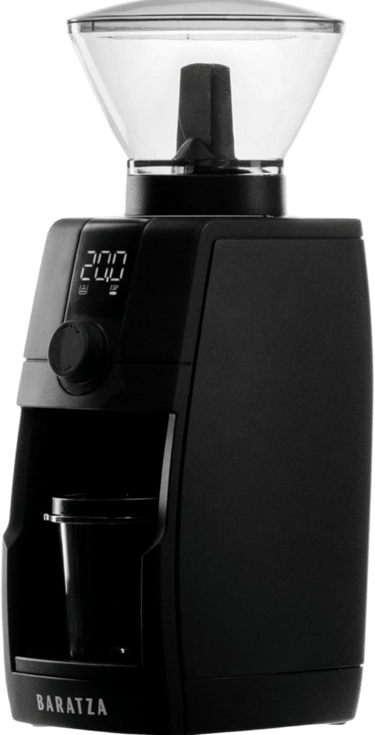





The difference between manual and electric grinders comes down to effort vs convenience.
Manual grinders use hand-powered burrs, giving you full control over grind consistency and adjustment.
Electric grinders automate the process, allowing you to grind quickly with minimal effort.
This affects:
Grinding speed
Workflow
Consistency for the price
Daily usability
If you want control and value, manual grinders stand out.
If you want convenience and speed, electric grinders are the better choice.
This level of control ties directly into adjustment style, where Stepped vs Stepless Grinders Explained breaks down how grinders handle precision.
Key Differences
Side-by-Side Breakdown
Timemore Chestnut C3
Grinding Type: Manual burr
Grind Consistency: High
Control: High
Ease of Use: Moderate
Daily Maintenance: Low
This level of precision is why manual grinders perform so well for the price.
Baratza Encore ESP
Grinding Type: Electric burr
Grind Consistency: High
Control: Moderate
Ease of Use: Very Easy
Daily Maintenance: Low
This makes it ideal for daily use where speed matters.
Performance in Real Use
The manual grinder performs best when precision and control are the priority.
It produces very consistent grind sizes, which improves flavor clarity, especially for pour over and manual brewing methods. It’s also quieter and more portable.
The electric grinder performs best when speed and convenience matter.
It allows you to grind quickly with minimal effort, making it better suited for daily routines and espresso setups.
If you value control, manual wins.
If you value convenience, electric wins.
For methods like pour over, matching grind size is critical—Best Grind Size for Pour Over (Dialing It In) explains how to dial this in properly.
Ease of Use
The electric grinder is easier.
You press a button, and the grinder handles everything. It’s fast, consistent, and requires minimal effort.
The manual grinder requires more involvement.
Add beans
Turn the crank
Adjust grind manually
It takes longer, but gives you more control.
If ease of use is the priority, electric grinders win.
If you don’t mind effort for better control, manual grinders are worth it.
Build & Reliability
Both grinders are designed for long-term use, but their designs are different.
Manual grinders are simpler, with fewer moving parts, which often makes them more durable over time.
Electric grinders have more components, but offer consistent performance and convenience.
Both are reliable—the difference is in how they’re used.
Simpler designs also reduce retention, but proper storage still matters—How to Store Ground Coffee helps maintain freshness and consistency.
Who Each Is For
Baratza Encore ESP Electric Grinder
You want fast, easy grinding
You brew coffee daily
You need espresso capability
You prefer convenience
Timemore Manual Grinder C3
You want better grind quality for the price
You enjoy hands-on brewing
You need portability
You don’t mind extra effort
Frequently Asked Questions
Are manual grinders better than electric?
They often provide better grind consistency for the price, but require more effort.
Are electric grinders worth it?
Yes. They save time and make daily grinding easier.
Which is better for espresso?
Electric grinders are generally better, especially models designed for fine adjustments.
Are manual grinders slower?
Yes. They require physical effort and take longer to grind.
Do manual grinders last longer?
They often do, due to fewer moving parts.
Are electric grinders louder?
Yes. Most electric grinders produce noticeable noise during operation.
Can a manual grinder replace an electric one?
It can, but it depends on how much coffee you brew daily.
What’s the biggest difference?
Manual grinders offer control, while electric grinders offer convenience.
Final Verdict
Manual vs electric grinders comes down to how you want to make coffee.
The manual grinder offers better precision and value.
The electric grinder offers speed and convenience.
If you want control and don’t mind the effort, manual is the better choice.
If you want quick, consistent grinding with minimal effort, electric is the better fit.
If you're balancing performance and budget, Best Coffee Grinders Under $100 highlights strong entry-level options worth considering.
Contact@TheBuzzHQ.com
© 2026 Coffee Tech Buzz. All rights reserved.
Coffee Tech Buzz
Smarter brewing through better gear, clearer insights, and real-world performance testing.
Built for home users who want consistency without guesswork.
We focus on how machines actually perform — not just what they claim.
Home
Coffee Equipment Guide
Coffee Makers & Machines
Coffee Grinders
Espresso Gear & Guides
Coffee Beans & Roasts
Coffee Accessories & Tools
For educational purposes only.
We may earn commissions from qualifying purchases.
General Inquiries: