

Stepped vs Stepless Grinders Explained
Explore the key differences between stepped grinders and stepless grinders to master grind size control for consistent espresso quality.
COFFEE GRINDERS
The Coffee Tech Buzz Editorial Team - Led by AJ “Buzz” Eichman
4/4/20267 min read
Adjusting grind size plays a crucial role in coffee brewing performance. Whether using an espresso machine or a different brew method, the grind size controls the extraction rate, affecting flavor clarity and balance. Achieving consistent grind size is not a matter of guesswork; it requires precise control over the grinder’s adjustment mechanism. Stepped and stepless grinders represent two distinct approaches to this control, each with strengths and limitations that influence consistency, usability, and final cup quality. Understanding how these grinders function and affect your workflow can reduce variability and help create predictable results shot after shot.
If you want to understand how grinder performance fits into the bigger system, Coffee Grinders breaks down the foundation behind grind consistency and control.
Quick Verdict
Stepped grinders feature fixed grind size increments, making repeatable adjustments straightforward and accessible for most users.
Stepless grinders offer infinite grind size options within their range, enabling micro-adjustments but requiring a refined skill set to maintain consistency.
Consistent grind size directly contributes to espresso quality by stabilizing extraction variables like flow rate and contact time.
User skill, brewing goals, and workflow preferences should guide whether a stepped or stepless design fits best in a home espresso setup.
What Are Stepped and Stepless Grinders?
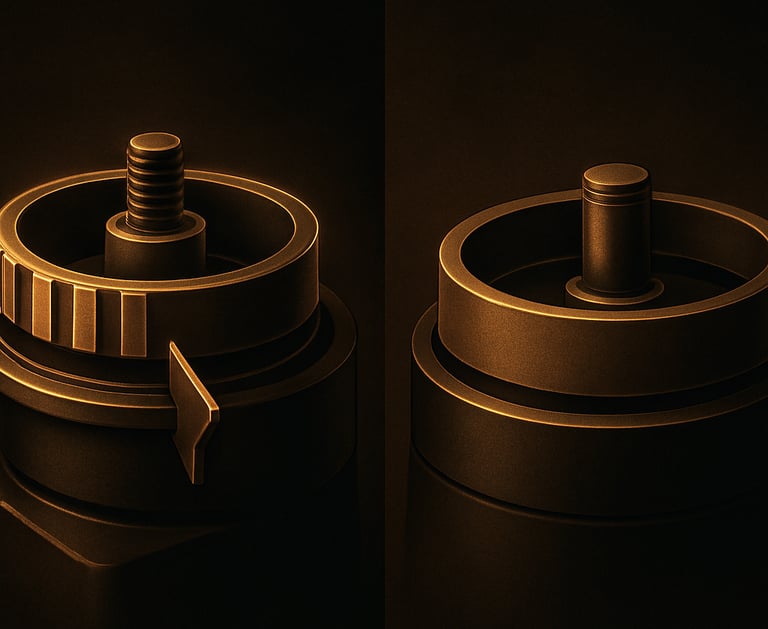
The core difference between stepped and stepless grinders lies in how grind size settings are adjusted and controlled. Stepped grinders use discrete preset stops, or “steps,” arranged on a notched adjustment collar or dial. Each step clicks into place, providing a fixed, tactile and audible feedback point. The user turns the adjustment until it locks onto one of these steps, defining a specific burr gap that corresponds to a grind size setting.
Stepless grinders remove these predefined stops. The adjustment collar moves smoothly across a continuous range, without clicks or fixed positions. This means every increment between the minimum and maximum is possible, allowing theoretically infinite granularity in grind size. However, this range comes with a trade-off: repeatability becomes dependent on the user’s ability to feel and record the exact position, which is often subtle and requires practice.
If you’re comparing real-world grinder options across these styles, Best Coffee Grinders helps connect these mechanisms to actual product performance.
How Stepped Grinders Work: Mechanism and Benefits
Stepped grinders rely on a simple mechanical indexing system. A notched ring engages with the adjustment collar to create set increments – often around 40 to 50 steps total, depending on the model. As the collar rotates, it “snaps” into each step, aligning burrs with a fixed gap size.
The benefit here lies in repeatability. Once a preferred step is identified for a specific coffee or roast, returning to that position takes no guesswork. This is particularly valuable when switching between beans or adjusting doses throughout a day. The steps offer a consistent baseline, preventing variability caused by imprecise adjustment.
From a usability perspective, stepped grinders typically require less time to dial in. Beginners or users who prioritize workflow speed often find stepped grinders easier to integrate into their routine. However, the increments between steps may not perfectly align with ideal espresso recipes. There is a compromise between convenience and granularity in grind size control.
How Stepless Grinders Work: Mechanism and Benefits
Stepless grinders provide continuous adjustment through a friction or screw-based system that allows infinite burr spacing within the range. Instead of discrete stops, the user turns the collar smoothly, stopping anywhere along the scale.
This design is prized for precision. Experienced baristas and home users who understand the nuances of their equipment can make micro-adjustments tailored exactly to bean freshness, roast profile, or ambient humidity. A small turn—sometimes just a fraction of a millimeter in burr gap—can lead to noticeable cup changes, particularly in espresso extraction.
Despite its advantages, a stepless system demands a disciplined approach. Without physical stops, setting the grinder at the same point consistently requires a marking method or good muscle memory. Drift between sessions or accidental tampering can cause inconsistency. It is easy to lose track of the dial position, which will manifest as variable extraction times or taste differences.
If you're dialing these adjustments in practice, How to Dial in Grind Size walks through how to manage these micro changes effectively.
Performance Differences: Precision and Consistency
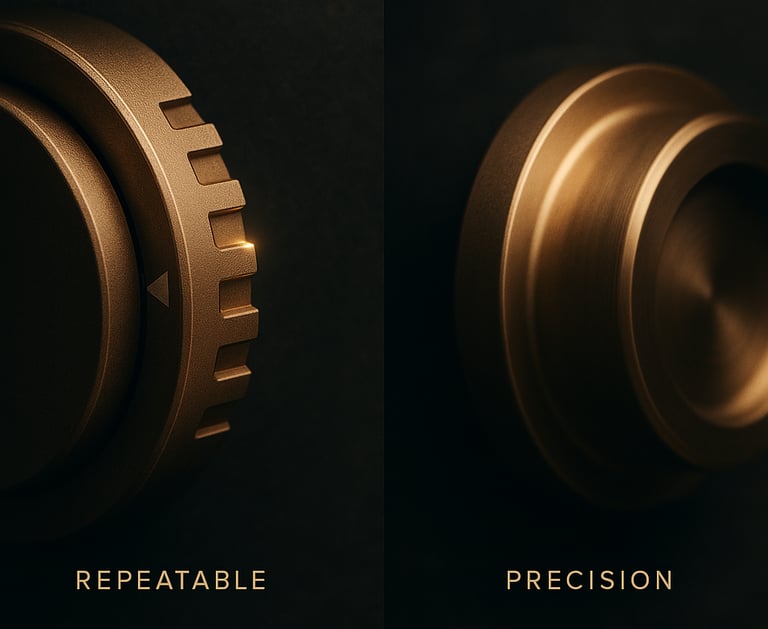
The question of precision between stepped and stepless grinders often surfaces in home espresso circles. Stepless grinders offer unrivaled granularity, allowing users to dial into an exact burr gap that matches their preferred brew characteristics. In theory, this means finer control over extraction pressures, flow rates, and ultimately flavor balance.
However, this precision is meaningful only if the operator maintains consistent adjustment habits. Without stable positioning, the theoretical advantage becomes a liability. Small deviations in collar position tend to cause disproportionate changes in cup outcomes, leading to unpredictability.
Stepped grinders reduce this risk by limiting adjustments to fixed increments. While you sacrifice incremental control, you gain confidence in repeatability. Many users find that the step increments fall within an acceptable margin of error, preserving flavor clarity and extraction stability through repeated brews.
Grinding consistency is further influenced by burr quality and build materials. Both stepped and stepless models can vary widely in these respects. A high-quality burr set made of stainless steel or ceramic will maintain consistent particle size distribution regardless of adjustment mechanism. Conversely, inexpensive or worn burrs may cause uneven grind sizes, overshadowing the benefits of either adjustment system.
If you're comparing performance tiers overall, Cheap vs Premium Coffee Grinders helps frame how build quality impacts consistency more than adjustment style alone.
User Experience: Usability and Adjustment Workflow
Daily workflow and grinder usability sway grinder preference more than theoretical precision. Stepped grinders streamline the process. Knowing precisely where to set the dial eliminates mental overhead during morning routines or tight schedules. This simplicity reduces one common source of inconsistency: inadvertent adjustment drift.
For those managing multiple brew methods, stepped grinders often offer predefined stops compatible with various recipes. This prevents guesswork and speeds transitions between espresso and alternative brews. They also tend to resist accidental dialing under typical operating conditions.
Stepless grinders demand a mindful workflow. Recording or marking the dial position becomes essential to maintain consistency over multiple sessions. The tradeoff is that an experienced user can micro-adjust shot profiles in real time, responding to nuanced taste feedback. This level of control appeals to enthusiasts and home baristas willing to invest time in calibrating their machine and technique.
Choosing the Right Grinder: Buyer Considerations
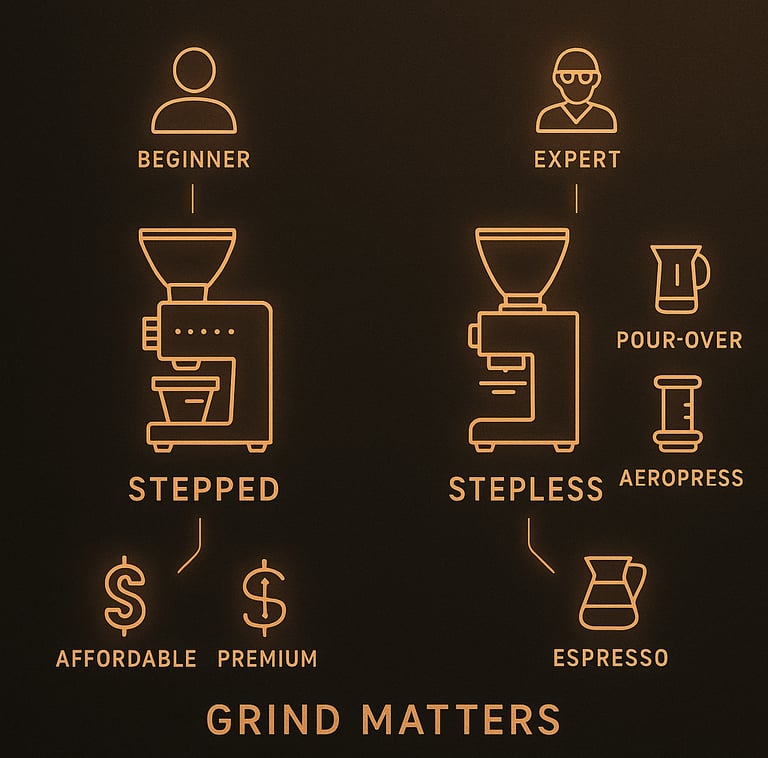
When deciding between stepped and stepless grinders, user skill, brew goals, and budget priorities should take precedence. Beginners or those seeking consistent, hassle-free espresso preparation will likely benefit from a stepped grinder’s fixed increments and intuitive adjustment.
Conversely, users aiming to refine espresso extraction at a micro-level will prefer stepless grinders despite the higher learning curve. These grinders reward routine precision and calibration but penalize inattentiveness to adjustment detail.
Budget considerations also matter. While not absolute, stepped grinders typically fall into more affordable price ranges due to simplified mechanisms. High-end stepless grinders often include additional features such as digital dose control, enhanced burr materials, or improved engineering to sustain smooth adjustment over time.
If you're looking for a balance between performance and cost, Best Coffee Grinders Under $300 highlights strong options that support both adjustment styles.
Common Mistakes When Evaluating Grinder Types
Misunderstanding the real impact of stepped increments is frequent. More steps do not always translate to finer control; some grinders offer many steps with relatively large gaps between them, while others have fewer steps but smaller incremental changes. Assessing the actual grind size range covered by each step matters more than counting clicks.
Another common mistake is neglecting the skill required to use stepless grinders effectively. New users expecting immediate consistency may become frustrated when outcomes vary due to unnoticed dial drift or imprecise positioning.
Focusing exclusively on stepped versus stepless without considering burr quality or overall build will often miss larger factors influencing grind consistency. Ultimately, a well-constructed stepped grinder may outperform a cheaply made stepless model in real-world use.
Overlooking the need for grinder calibration when changing beans or roast levels is another pitfall. Regardless of grinder type, fresh beans or varying roast profiles demand recalibration to maintain stable extraction parameters.
Finally, ignoring daily workflow impacts—how quickly and intuitively a grinder can be adjusted—can create inefficiencies that undermine consistency over time.
Frequently Asked Questions About Stepped and Stepless Grinders
What is the main difference between stepped and stepless grinders?
The main difference lies in the adjustment mechanism. Stepped grinders have fixed, discrete steps that click into place, making repeatable grind size settings straightforward. Stepless grinders offer continuous adjustment with no physical stops, allowing infinite granularity but requiring more precise user control.
Which grinder type is better for home espresso brewing?
Neither is inherently better; it depends on user skill and priorities. Stepped grinders favor beginners and those who value quick, repeatable settings. Stepless grinders benefit experienced users seeking micro-adjustments and greater experimentation.
Can you switch between grind sizes easily on a stepless grinder?
Switching is possible but less straightforward without fixed stops. You must rely on tactile sense, markings, or notes to return accurately to previous settings. This requires care to avoid drift.
How does grind size consistency affect espresso extraction?
Consistent grind size stabilizes extraction variables such as flow rate and contact time. Variability in grind size can cause under- or over-extraction, impacting flavor clarity, balance, and overall cup quality.
Are stepped grinders less expensive than stepless?
Stepped grinders often fall into lower price brackets due to simpler adjustment mechanisms, but price is not absolute. High-quality grinders exist in both categories, and burr quality typically influences cost more.
Do professional baristas prefer one type over the other?
Preferences vary. Many professionals favor stepless grinders for precision control in competitive or specialty environments, while others rely on stepped grinders for workflow efficiency and repeatability in busy settings.
How do burr materials impact grind quality?
High-grade burr materials like stainless steel or ceramic maintain sharpness and reduce wear, contributing to consistent particle size distribution regardless of grinder type.
Is one grinder type better for brewing methods besides espresso?
Stepless grinders often provide more flexibility for methods requiring varied grind sizes, but stepped grinders with broader adjustment ranges can also accommodate multiple brew techniques. Some hybrids combine both adjustment types for versatility.
Conclusion
Control over grind size adjustment is fundamental to predictable coffee brewing outcomes. Stepped and stepless grinders embody two approaches to this control, each suited to different user priorities. Stepped grinders deliver ease of use and reliable repeatability, reducing variability particularly for those still mastering technique or balancing time constraints. Stepless grinders unlock finer granularity but require disciplined calibration and attention to maintain consistency.
Understanding how these mechanisms affect precision, workflow, and consistency arms coffee enthusiasts with the means to choose the grinder that aligns with their goals and skill level. Greater control over grind size translates directly into more predictable espresso extractions and flavor clarity, turning the coffee brewing process into a repeatable craft rather than chance.
For those comparing grinder performance more directly, Baratza vs Breville Grinders provides a practical breakdown of how these differences show up in real-world use.
Contact@TheBuzzHQ.com
© 2026 Coffee Tech Buzz. All rights reserved.
Coffee Tech Buzz
Smarter brewing through better gear, clearer insights, and real-world performance testing.
Built for home users who want consistency without guesswork.
We focus on how machines actually perform — not just what they claim.
Home
Coffee Equipment Guide
Coffee Makers & Machines
Coffee Grinders
Espresso Gear & Guides
Coffee Beans & Roasts
Coffee Accessories & Tools
For educational purposes only.
We may earn commissions from qualifying purchases.
General Inquiries: