
Coffee Makers & Machines
Choosing a coffee maker isn’t about features — it’s about control, consistency, and how repeatable your results are over time.
There are dozens of machines on the market, but most fall into a handful of categories. Once you understand how each type works, it becomes easier to narrow down what actually fits your routine.
If you’re still building your setup from the ground up, start with the Coffee Equipment Guide, which breaks down how each piece fits into a complete system.
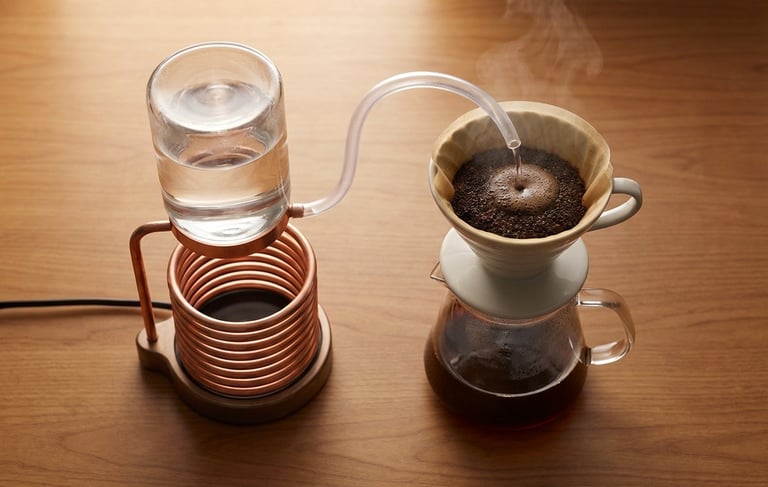
Most machines advertise convenience, speed, or customization. What matters more is how they manage the core variables that shape your coffee:
Temperature stability
Water distribution
Brew timing
Extraction control
Machines that manage these well produce consistent results.
Machines that don’t tend to drift, even if they look good on paper.
A deeper breakdown of how these variables interact is covered in How Coffee Makers Work.
What Actually Matters in a Coffee Maker
Types of Coffee Makers
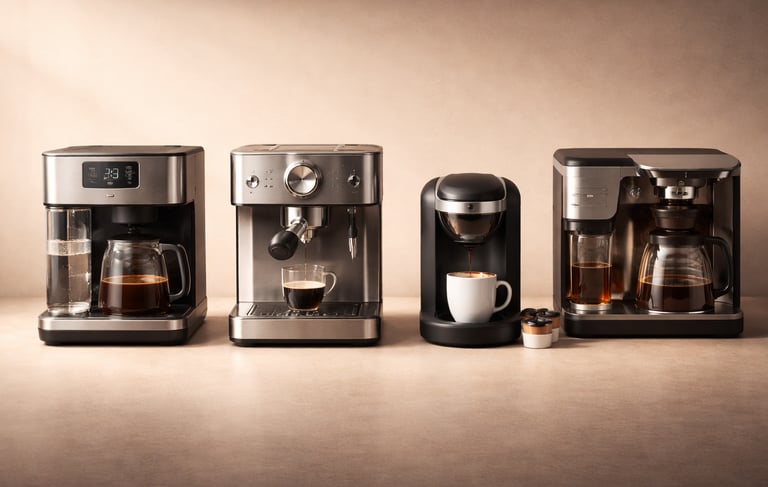
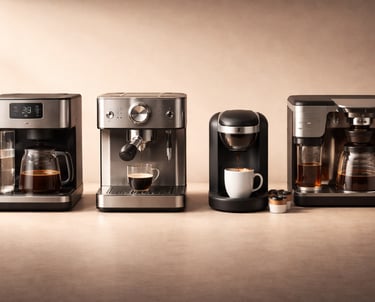
Understanding machine types removes most of the guesswork.
Drip Coffee Makers
Built for volume and consistency. These machines prioritize repeatable results with minimal input, making them ideal for daily routines.
Espresso Machines
Focused on pressure-based extraction. These require more input but produce more concentrated, higher-control results.
Single-Serve Machines
Designed for speed and convenience. They remove most variables but limit control and long-term flexibility.
Hybrid Systems
Machines that attempt to combine multiple brewing styles. These can work well, but often involve trade-offs in performance.
If you’re unsure how these differ in real use, Types of Coffee Makers Explained walks through each category in detail.
Drip vs Espresso vs Single Serve
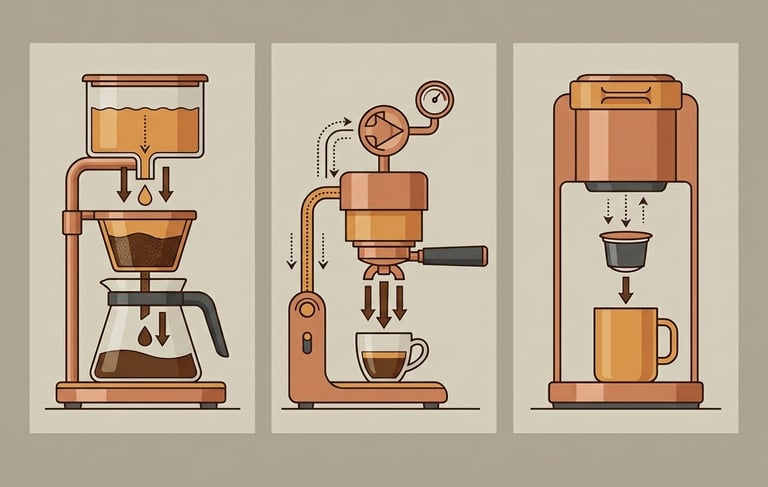
At a high level, every machine falls into one of three use patterns:
Volume-focused (drip)
Control-focused (espresso)
Convenience-focused (single serve)
Each comes with trade-offs.
A direct comparison of how these perform side-by-side is covered in:
Cuisinart DCC-3200 vs De’Longhi Stilosa Espresso
Keurig K-Elite vs Nespresso Vertuo Pop+
De'Longhi Arte Evo vs Keurig K155 Office Pro
Ninja Luxe Café vs Philips 3300 Espresso
Bosch TQU60307 vs De’Longhi Dinamica Plus
Choosing the Right Coffee Maker
The best machine depends on how you actually use it — not what it claims to do.
Think in terms of routine:
Daily single cup vs batch brewing
Hands-on vs automated
Speed vs control
Machines that match your routine tend to last longer and perform better over time.
If you’re narrowing things down, these helpful guides break this into a simple decision process.
Are Expensive Coffee Makers Worth It?
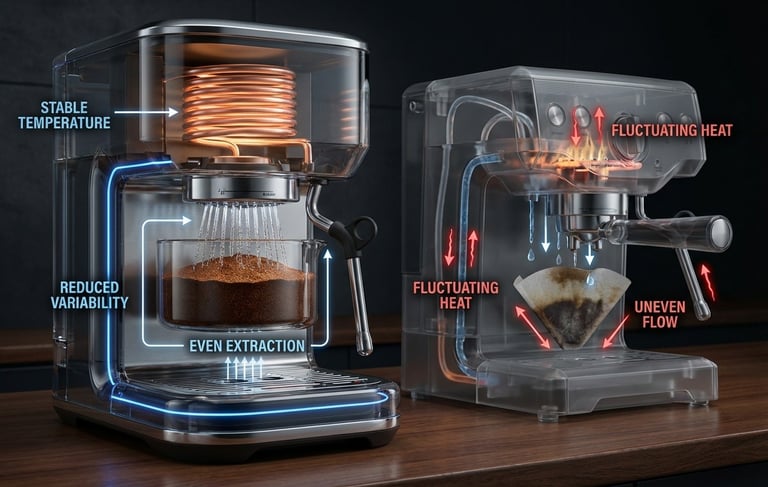
Higher-end machines don’t always make better coffee — but they usually manage variables more consistently.
That means:
More stable temperatures
Better extraction
Fewer inconsistencies over time
Whether that matters depends on how sensitive you are to changes in flavor and consistency.
A full breakdown of where price actually makes a difference is covered in Are Expensive Coffee Makers Worth It.
What Makes the Best Coffee Maker?
There isn’t a single machine that fits every situation.
The best coffee maker is the one that:
Matches your routine
Produces consistent results
Doesn’t introduce unnecessary complexity
Different machines excel in different areas.
Some prioritize simplicity. Others prioritize control.
If you’re trying to dial this in further, What Coffee Maker Makes the Best Coffee breaks down how quality is actually defined.
Best Coffee Makers by Category
If you want to skip the theory and go straight to proven options, these guides break down machines by use case:
Each guide focuses on machines that consistently perform well within that category, without unnecessary features or complexity.
Common Mistakes When Buying a Coffee Maker
Most issues don’t come from the machine — they come from mismatched expectations.
The most common mistakes:
Choosing based on features instead of routine
Overestimating how much control you’ll actually use
Ignoring long-term maintenance and cost
Prioritizing convenience over consistency (or vice versa)
These don’t show up on day one.
They show up after weeks of daily use.
Frequently Asked Questions
What type of coffee maker is best for home use?
The best type depends on your routine. Drip machines work best for volume, espresso machines for control, and single-serve machines for convenience.
Are drip coffee makers better than single-serve machines?
Drip machines are better for consistency and lower cost per cup, while single-serve machines are faster and easier to use.
Do expensive coffee makers make better coffee?
Not always, but higher-end machines typically provide better temperature control and more consistent extraction.
What coffee maker is easiest for beginners?
Single-serve and basic drip machines are the easiest to use, requiring minimal setup and no technical knowledge.
How long should a coffee maker last?
Most coffee makers last 3–5 years with regular use. Higher-quality machines can last significantly longer with proper maintenance.
Is espresso stronger than drip coffee?
Espresso is more concentrated in flavor, but drip coffee can contain more total caffeine depending on serving size.
What should I look for when choosing a coffee maker?
Focus on temperature stability, brew consistency, ease of use, and how well the machine fits your daily routine.
Can one coffee maker do everything well?
Hybrid machines can handle multiple styles, but they usually involve trade-offs in performance compared to specialized machines.
Final Thoughts
Coffee makers aren’t complicated once you understand what they’re actually doing.
They manage a few key variables:
Heat
Water
Time
Everything else is interface.
If you focus on how a machine performs — not how it’s marketed — you’ll end up with something that holds up over time and produces consistent results.
Contact@TheBuzzHQ.com
© 2026 Coffee Tech Buzz. All rights reserved.
Coffee Tech Buzz
Smarter brewing through better gear, clearer insights, and real-world performance testing.
Built for home users who want consistency without guesswork.
We focus on how machines actually perform — not just what they claim.
Home
Coffee Equipment Guide
Coffee Makers & Machines
Coffee Grinders
Espresso Gear & Guides
Coffee Beans & Roasts
Coffee Accessories & Tools
For educational purposes only.
We may earn commissions from qualifying purchases.
General Inquiries: