
What Coffee Maker Makes the Best Coffee
Discover how to choose the best coffee maker for your taste and routine to brew consistently satisfying coffee at home.
COFFEE MAKERS
The Coffee Tech Buzz Editorial Team - Led by AJ “Buzz” Eichman
3/30/20268 min read
When it comes to making great coffee at home, the question of which coffee maker delivers the best brew is as common as the morning cup itself. The truth is, there isn’t a one-size-fits-all answer. The best coffee maker depends largely on your taste preferences, daily routine, and how much effort you want to put into the process. This article cuts through the noise to help you find a coffee maker that consistently produces satisfying coffee without complicating your morning ritual.
Quick Verdict
Drip coffee makers are reliable workhorses for easy, consistent coffee, especially when you want multiple cups with minimal fuss.
Manual pour-over techniques offer greater flavor control but demand more attention and time.
Espresso machines deliver rich, concentrated coffee—but they come with a learning curve and usually a higher upfront investment.
Grind consistency and proper maintenance have a bigger impact on coffee quality than the machine alone.
Understanding these points will guide you toward the coffee maker that fits your needs in 2024 and beyond.
Overview of Major Coffee Maker Types
You’ll find a broad range of coffee makers on the market, but most fall into a few familiar categories. Each offers distinct advantages and trade-offs grounded in how they brew. This falls under Coffee Makers & Machines.
Drip Coffee Makers
Drip machines are the classic option for many home coffee drinkers. They automate the brewing process by heating water and slowly dripping it over a coffee bed within a filter. The result is a batch of coffee that’s generally smooth and balanced. What makes drip coffee makers popular is their straightforward workflow — just measure coffee and water, start the machine, and let it run.
Over time, simpler drip setups tend to win in daily use because they rarely require more than the push of a button. Programmable models add convenience by having coffee ready when you wake up, turning them into a reliable staple for morning routines. They excel when you need to brew multiple cups without fiddling with grind adjustments or brew times.
Manual Pour-Over Brewers
Pour-over brewing demands more from the user. You pour hot water gradually over a cone-shaped filter holding grounds, allowing you to control variables like water flow, saturation, and bloom time. This level of control can bring out brighter, cleaner flavors and greater clarity.
This method does require practice and time in the morning, so it fits best with people who enjoy the ritual and aren’t pressed for convenience. Pour-over coffee makers, like the Hario V60 or Kalita Wave, reward patience but won’t satisfy if your goal is simplicity or quick coffee.
Espresso Machines
Espresso machines take brewing in a different direction—by forcing pressurized water through finely ground coffee to produce a small, concentrated shot. The taste is intense and complex, providing a base for drinks like lattes and cappuccinos.
However, espresso machines usually come with a steeper learning curve, more maintenance, and a higher price tag. For those willing to commit to mastering the process, they unlock a rewarding coffee experience that goes beyond drip or pour-over. But if your priority is dependable and easy coffee, espresso might feel like overkill. See Types of Coffee Makers Explained.
How Brewing Variables Influence Coffee Flavor
Regardless of the coffee maker type, a few core factors make a tangible difference in the cup you end up with every morning.
Temperature and Consistency
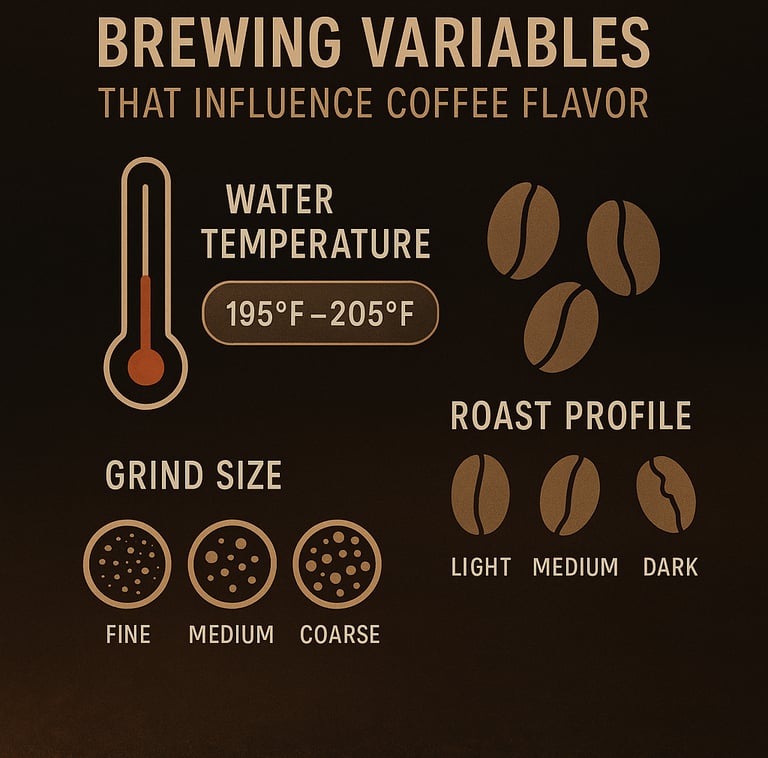
One essential factor is maintaining the right water temperature between about 195°F and 205°F. Too cool and your coffee will under-extract, tasting weak or sour; too hot and it becomes bitter. Good machines keep this stable throughout the brew. More advanced drip and espresso makers often come with temperature control features that help in this regard.
Grind Size and Uniformity
Coffee grind size must match the brewing method to extract well. Drip makers lean toward medium grind, pour-overs often call for medium-fine, and espresso demands a very fine grind. An inconsistent grind size can cause uneven extraction, resulting in both bitter and sour notes in the same cup.
Grinding your own beans with a quality burr grinder is worth the effort. It adds control without complicating your workflow because you dial in the grind once and use it daily. This step impacts coffee flavor more than tweaking recipes or upgrading machines. See How Coffee Makers Work.
Coffee Beans and Roast Profile
The type of coffee beans and roast level you choose also plays a role in performance. Lighter roasts benefit from pour-over methods that highlight acidity and floral notes, while darker roasts stand up well to espresso and drip brewing with their richer, bolder flavors.
Try to match beans to your brew method to make the most of their inherent characteristics. Going for unbalanced choices rarely improves your coffee, no matter how good the machine is.
Performance and Usability Comparison
When weighing your options, think beyond flavor alone. Consistency, ease of use, and maintenance affect whether you’ll keep using your coffee maker—often more than marginal differences in taste.
Drip coffee machines score highest on convenience and low effort. They usually work with standard filtered water and automatic timers. Their maintenance involves regular descaling and occasional cleaning of removable parts. These tasks aren’t glamorous but maintaining a clean machine makes a real difference in taste and longevity.
Manual pour-over lets you tweak extraction variables, but the cleaning routine—rinsing filters and grinders—requires more from you after each draw. If you love coffee but don’t want daily cleanup, this may become a burden.
Espresso machines demand consistent cleaning of group heads and steam wands to prevent buildup. Modern machines have some automated cleaning cycles, but this still adds time. Their complexity means breakdowns are more likely over years, and repairs can be costly.
Grind Size and Coffee Bean Considerations
No coffee maker will deliver your best cup without the right grind size matching your brew style. Too coarse, and your coffee will taste thin and under-extracted. Too fine, and the brew can become bitter or clogged.
Espresso machines call for a tightly controlled fine grind, which highlights the importance of a quality grinder. Drip coffee makers use a medium grind to allow water to flow through evenly without rushing or pooling. Medium-fine gradations generally work well for pour-over.
Freshly ground coffee beans make a noticeable difference in flavor. Pre-ground coffee is convenient but loses quality quickly. If your goal is solid daily coffee without fuss, grind beans the night before or early morning. That small step fits into most routines without adding friction.
Maintenance and Longevity Factors
Coffee makers are often sidelined by users because cleaning feels like a chore. Consistency in maintenance pays off with superior performance and longer machine life.
Descaling is necessary to remove mineral buildup that affects both taste and heating efficiency. Many drip machines have indicators or automatic reminders, which helps keep users on track. For espresso machines, regular backflushing and cleaning of milk frothing parts is crucial.
Filters and removable components should be cleaned routinely to prevent off-flavors. Neglecting these steps usually shows in stale or sour coffee and can damage seals or electronics.
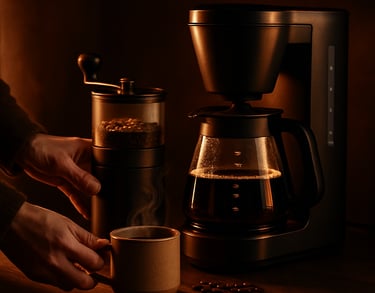
Buying Guide: Choosing the Right Coffee Maker for You
Experience is a reliable filter in choosing coffee gear. It’s better to have a simple machine you use every day than a fancy gadget collecting dust.
If your mornings are rushed and you need multiple cups with minimal ceremony, a programmable drip coffee maker is your best bet. It balances consistency with convenience and often costs less upfront. See Best Programmable Coffee Makers.
If you enjoy the ritual and flavor exploration, consider a pour-over brewer paired with a decent grinder. The trade-off is more time spent brewing and cleaning, which suits less busy routines.
Espresso machines fit those who want cafe-style drinks at home, are willing to learn, and don’t mind higher maintenance. If you’re new to espresso, start with a basic model and focus on technique before chasing the most advanced machines.
Look for machines made of durable materials like stainless steel that retain heat and withstand daily use. Avoid unnecessary automation features that add complexity without real benefit.
Common Mistakes and How to Avoid Them
A few missteps happen so often that they become routine. Using inconsistent grind sizes is one. It’s tempting to buy pre-ground coffee but matching grind to your brew method is non-negotiable if you want good coffee.
Another usual error is skipping maintenance. Over time, coffee oils and minerals build up, affecting flavor and machine health. Scheduling simple cleaning prevents these issues and keeps your coffee consistent.
Ignoring water quality can also ruin your brew. Tap water with strong chlorine or high mineral content can create off-tastes and scale buildup. A decent water filter to improve taste and protect your machine is a worthwhile investment.
Don’t assume a higher price means better coffee. Many affordable coffee makers produce perfectly good coffee if the fundamentals—fresh beans, proper grind, clean equipment—are in place. See Are Budget Coffee Makers Worth It.
Lastly, watch your coffee-to-water ratios. Too much coffee or water skews flavor and consistency. Most drip systems work well around a 1:16 ratio, but don’t get hung up on exact measurements if you’re satisfied.
FAQ
Which type of coffee maker produces the best flavor at home?
It depends on your priorities. Pour-over often ranks highest for clarity and control, but drip machines offer a consistent, no-fuss cup. Espresso machines deliver intense flavor, but require more skill.
How does grind size affect coffee brewing in different machines?
Grind size controls extraction speed. Too coarse leads to weak, under-extracted coffee; too fine can cause bitterness or clogging. Each brew method has an ideal grind range for balanced flavor.
What are the maintenance requirements for popular coffee makers?
Drip machines need regular descaling and cleaning removable parts. Pour-over tools require rinsing and occasional deep cleaning. Espresso machines demand daily cleaning of group heads, steam wands, and periodic backflushing.
Can a beginner achieve good coffee with an espresso machine?
Yes, but it takes patience and willingness to learn. Starting with a simple model and practicing tamping, grind calibration, and extraction times is key to success.
What is the best coffee-to-water ratio for standard drip makers?
A good starting point is about 1:16 (one gram of coffee to 16 grams of water). Adjusting within this range based on taste is perfectly fine.
How do brewing variables like temperature and time impact taste?
Brewing temperature affects extraction; too low or high temperatures bring undesirable flavors. Brewing time controls how much flavor is pulled from the grounds—both need to be balanced for a good cup.
Are all coffee beans suitable for every coffee maker?
Not really. Lighter roasts tend to do well with pour-over, which highlights their delicate notes. Dark roasts handle espresso or drip methods better with their bold flavors.
What budget options deliver good coffee performance for daily use?
Programmable drip coffee makers from reputable brands often provide the best value. Pairing them with a decent burr grinder elevates the experience without breaking the bank.
Practical Conclusion
Choosing the best coffee maker isn’t about chasing perfection or the latest fancy gadget. It’s about finding a machine that slots easily into your routine, delivers consistent coffee you enjoy, and doesn’t ask for too much maintenance.
For most people, a solid drip coffee maker paired with freshly ground beans hits that sweet spot. Pour-over suits those who want a hands-on experience and greater flavor drama, while espresso machines reward the committed with rich, concentrated shots.
If you’re ready to explore proven options that fit real-world use, start with Best Coffee Makers for Home Use or Best Coffee Makers Under $100.
What ends up getting used the most is the setup that fits into your mornings without adding hurdles. Focus on grind consistency, clean equipment, and reasonable brewing practices above all.
That’s the real secret to making the best coffee at home every day.
Contact@TheBuzzHQ.com
© 2026 Coffee Tech Buzz. All rights reserved.
Coffee Tech Buzz
Smarter brewing through better gear, clearer insights, and real-world performance testing.
Built for home users who want consistency without guesswork.
We focus on how machines actually perform — not just what they claim.
Home
Coffee Equipment Guide
Coffee Makers & Machines
Coffee Grinders
Espresso Gear & Guides
Coffee Beans & Roasts
Coffee Accessories & Tools
For educational purposes only.
We may earn commissions from qualifying purchases.
General Inquiries: