
Espresso Brewing
Espresso brewing is built around precision. Every variable—grind size, dose, pressure, time, and yield—affects how the coffee extracts.
Unlike other brewing methods, espresso uses pressure to force water through finely ground coffee. That process amplifies both strengths and flaws. Small changes create noticeable differences in flavor, texture, and consistency.
There isn’t just one way to brew espresso. Different methods and workflows produce different results, even with the same beans.
Understanding how each approach works is what allows you to move from inconsistent shots to repeatable results.
Grind size is one of the most critical variables in espresso extraction, directly affecting shot balance as explained in Espresso.
What Defines Espresso Brewing
At its core, espresso is defined by three things:
Finely ground coffee
Pressurized water
Short extraction time
Water is pushed through the coffee bed at high pressure, typically around 9 bars. The result is a concentrated shot with a layer of crema on top.
But hitting those conditions consistently requires control.
These variables—grind, dose, and time—must work together, which is why extraction balance is explained in detail in Espresso Ratio Explained.
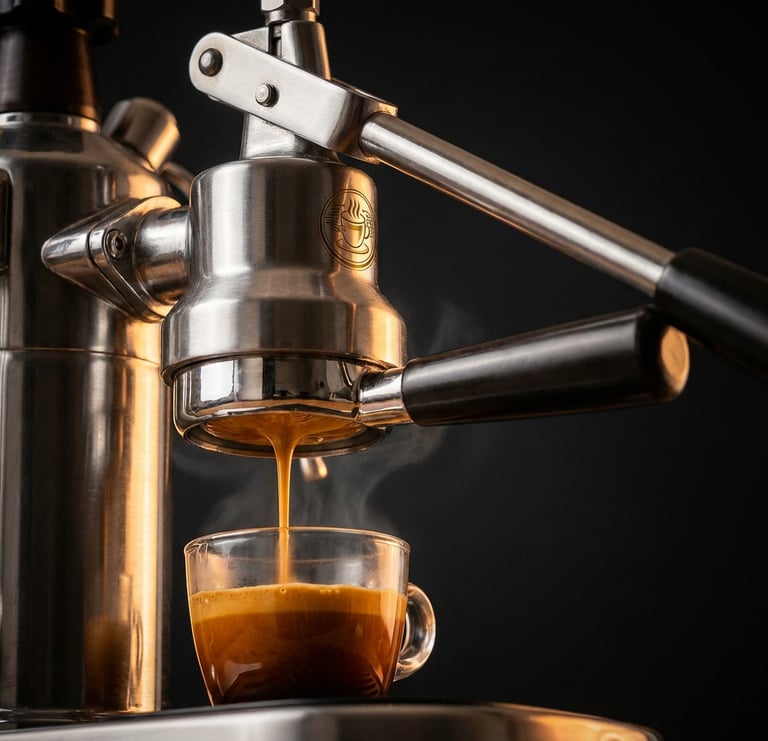
Manual espresso methods remove automation and give you full control over pressure and flow.
Because everything is manual, small inconsistencies can quickly lead to poor results, especially the issues outlined in Common Espresso Mistakes.
Instead of relying on a pump, you apply pressure yourself—either through a lever or a handheld system.
This creates a more hands-on workflow where technique plays a major role in the final result.
What Makes It Different
Pressure is user-controlled
Flow rate can vary during extraction
Requires more skill and consistency
Manual brewing allows for more experimentation, but also introduces more variability.
Where It Fits
Manual methods work best for users who want to:
Learn extraction fundamentals
Experiment with pressure and flow
Have full control over the process
Manual Espresso Brewing
Semi-Automatic Espresso Brewing
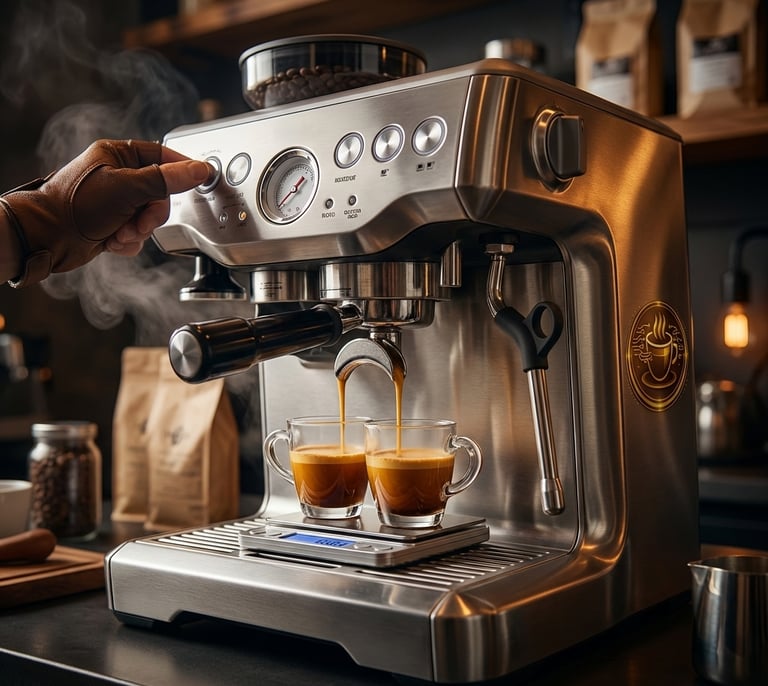
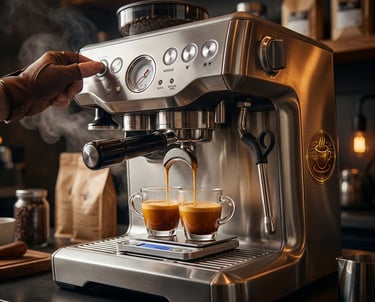
Semi-automatic machines are the most common setup for home espresso.
They automate pressure generation while leaving grind size, dose, and shot timing in your control.
This balance between control and consistency is what makes them the standard. This is where learning to adjust variables step-by-step becomes critical, as covered in How to Dial in Espresso.
What Makes It Different
Pump controls pressure
User controls grind, dose, and timing
Repeatable with proper setup
You still need to dial in your grind and stop the shot at the right time, but the machine handles the pressure.
Where It Fits
Semi-automatic systems are ideal for:
Daily home use
Learning espresso technique
Building consistent workflows
Automatic and Super-Automatic Brewing
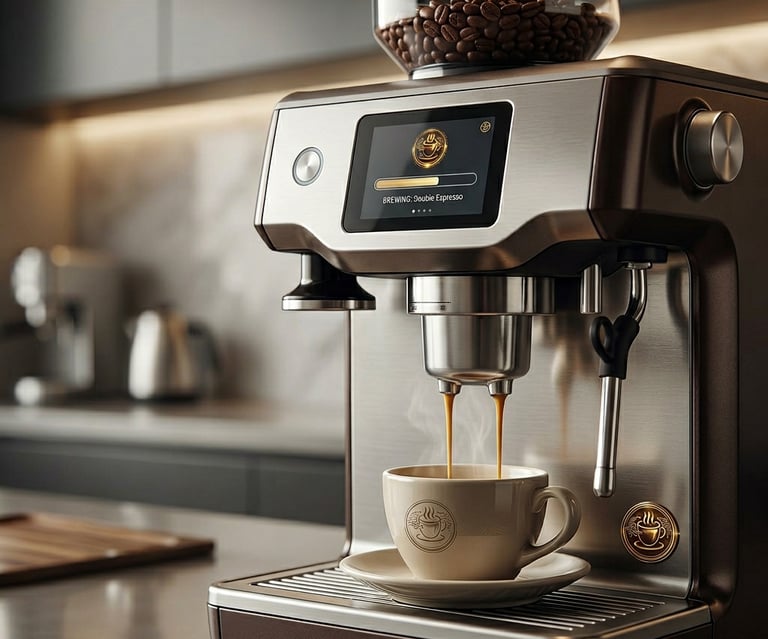
Automatic systems reduce the number of steps required to brew espresso.
Fully automatic machines manage timing. Super-automatic machines handle everything—from grinding to brewing—with minimal input.
What Makes It Different
Automated dosing and timing
Minimal manual input
Designed for convenience
The tradeoff is reduced control. These systems prioritize ease of use over fine-tuning.
Where It Fits
These methods work best for:
Convenience-focused setups
Consistent, low-effort brewing
Users who don’t want to dial in manually
While these systems simplify the process, they also limit your ability to correct issues like sour or bitter shots explained in Why Espresso Tastes Sour and Why Espresso Tastes Bitter.
Pressure Profiling and Advanced Methods
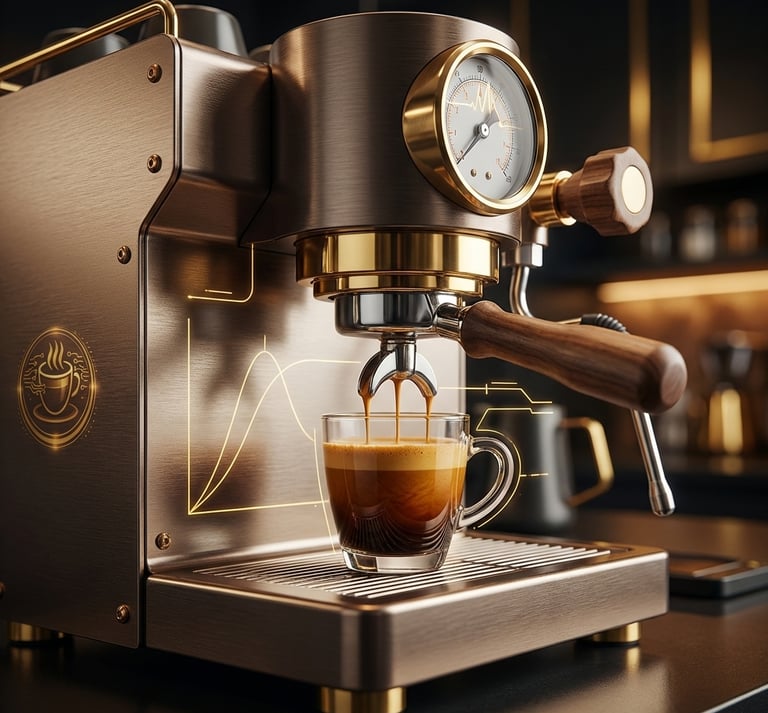
More advanced espresso setups allow you to control how pressure changes during extraction.
Instead of a fixed pressure, you can increase or decrease pressure over time.
This affects how the coffee extracts and can change flavor clarity, body, and balance.
What Makes It Different
Variable pressure during extraction
More control over flow behavior
Requires a dialed-in workflow
This method is less about convenience and more about refinement. Advanced workflows rely on precise control over extraction variables, often combining multiple techniques for consistency, including those discussed in WDT Tool vs Distributor.
Where It Fits
Pressure profiling is used by:
Advanced home users
Espresso enthusiasts
Precision-focused workflows
Key Variables Across All Methods
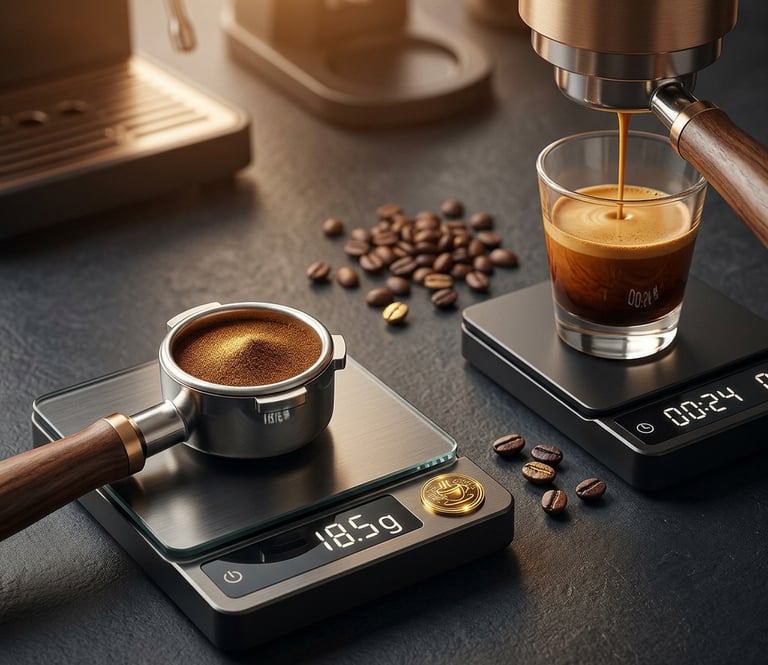
No matter which method you use, the same core variables determine your result.
Grind Size
Finer grinds slow extraction. Coarser grinds speed it up. Small adjustments make a big difference. Grind size directly impacts flow rate and extraction speed, making it one of the biggest contributors to shot balance.
Dose
The amount of coffee used affects strength and extraction balance. Dose and yield must stay balanced to avoid under- or over-extraction, which is why tracking output matters.
Yield
The amount of liquid espresso produced. This is one of the most important control points.
Time
Extraction time ties everything together. Too fast or too slow will impact flavor.
Distribution and Tamping
Even coffee distribution and consistent tamping help prevent channeling and improve extraction. Even puck prep plays a major role in consistency, especially when comparing techniques like WDT Tool vs Distributor and tools like Best Espresso Tampers.
Choosing the Right Brewing Method
The best method depends on how you want to brew.
If you want full control → manual methods
If you want balance → semi-automatic machines
If you want convenience → automatic systems
If you want maximum precision → pressure profiling setups
There is no single “best” method—only the one that fits your workflow.
No matter the method, consistency comes from controlling variables and avoiding the common pitfalls outlined in Common Espresso Mistakes.
Common Mistakes in Espresso Brewing
Most issues come from inconsistency, not equipment.
Inconsistent Grind Size
Even small grind changes can ruin a shot. This is one of the primary causes of both sour and bitter espresso, depending on how extraction is affected, as explained in Why Espresso Tastes Sour and Why Espresso Tastes Bitter.
Poor Distribution
Uneven coffee leads to channeling and uneven extraction.
Incorrect Yield
Not tracking output leads to unpredictable results.
Rushing the Process
Espresso requires consistency. Skipping steps creates variability.
Frequently Asked Questions
What is the best method for brewing espresso?
Semi-automatic machines offer the best balance of control and consistency for most users.
Can you make espresso without a machine?
Yes, manual methods can produce espresso-like shots, but true espresso requires pressure.
What pressure is used for espresso?
Standard espresso is brewed around 9 bars of pressure.
How fine should espresso grind be?
Very fine—similar to table salt, but adjusted based on extraction speed.
What is a good espresso ratio?
A common starting point is 1:2 (coffee to liquid), such as 18g in, 36g out.
How long should espresso take to brew?
Typically 25–30 seconds, depending on grind size and dose.
What affects espresso flavor the most?
Grind size, dose, yield, and extraction time all play major roles.
Are expensive espresso machines worth it?
They improve consistency and control, but good technique matters more than price.
Final Thoughts
Espresso brewing is less about the machine and more about control.
Every method—from manual to fully automatic—follows the same principles. The difference is how much of that process you control.
Once you understand how each variable affects extraction, the method becomes a tool—not a limitation.
Building a repeatable workflow often comes down to combining proper technique with the right tools, such as those found in Best Espresso Scales, Best Espresso Tampers, and Best Milk Frothing Pitchers.
Consistency comes from repeatable steps. The better your workflow, the better your results.
Contact@TheBuzzHQ.com
© 2026 Coffee Tech Buzz. All rights reserved.
Coffee Tech Buzz
Smarter brewing through better gear, clearer insights, and real-world performance testing.
Built for home users who want consistency without guesswork.
We focus on how machines actually perform — not just what they claim.
Home
Coffee Equipment Guide
Coffee Makers & Machines
Coffee Grinders
Espresso Gear & Guides
Coffee Beans & Roasts
Coffee Accessories & Tools
For educational purposes only.
We may earn commissions from qualifying purchases.
General Inquiries: