
How to Choose a Coffee Maker
Learn how to choose coffee maker that fits your routine with practical tips on types, features, and common mistakes to avoid.
COFFEE MAKERS
The Coffee Tech Buzz Editorial Team - Led by AJ “Buzz” Eichman
3/30/20266 min read
If you’re someone who drinks coffee every day, you’ve probably realized the importance of having a coffee maker that fits your routine rather than complicates it. Choosing a coffee maker isn’t about finding the fanciest machine on the market or chasing perfect barista-level taste. It’s about finding a setup that works consistently, blends into your morning flow, and delivers a dependable cup without fuss. This guide will walk you through the main types of coffee makers, what features matter in real-world use, and how to avoid common pitfalls that slow down your coffee habit instead of supporting it. This falls under the broader category of Coffee Makers & Machines.
Quick Verdict
Focus on machines that deliver consistent temperature and brew time for reliable flavor.
Keep it simple—avoid overly complex models that add steps to your routine.
Match coffee maker capacity with your household needs to prevent waste or repeated brews.
Prioritize ease of cleaning and usability to keep your machine in daily rotation.
Understanding Coffee Maker Types and What Really Works
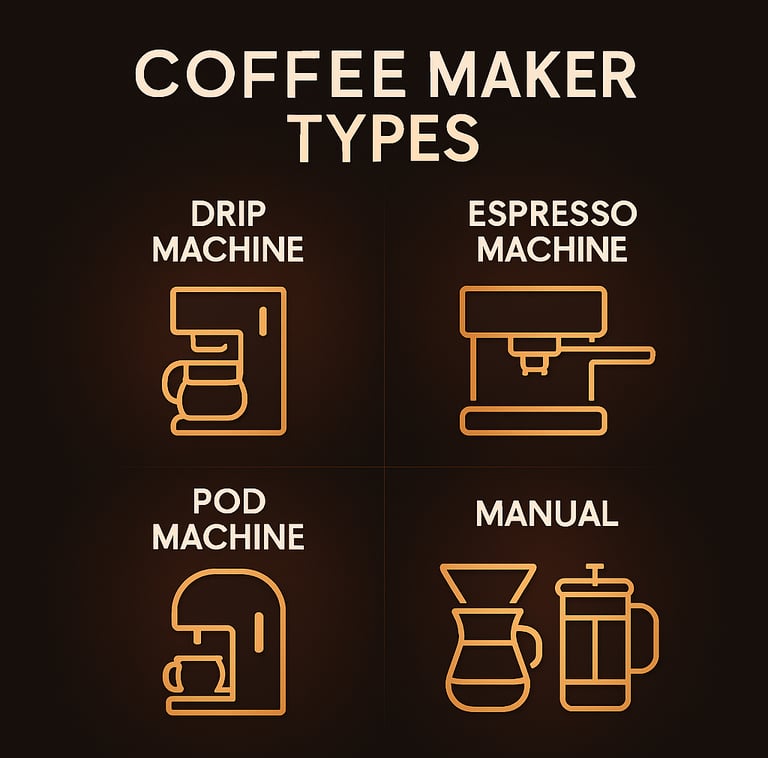
Coffee makers come in several varieties, but from experience, it’s the simple options that tend to stick around and get used daily. The most common types include drip machines, espresso machines, pod machines, and manual brewers like pour-over or French press.
Drip coffee makers remain the workhorse for many because of their reliability and ease. They handle medium grind coffee, typically brew between four to six minutes, and deliver consistent results when the machine controls temperature properly within the ideal 195°F to 205°F range. Programmable drip makers are especially handy for busy mornings—you set it and walk away to get dressed.
Espresso machines, on the other hand, are great if you want shots with precise pressure and temperature control. However, they often require a bit more attention and maintenance, so unless you’re really into espresso or have time to engage with the process daily, they may add friction. Pod machines appeal to those prioritizing convenience and speed with their pre-packaged coffee, but this convenience often means sacrificing some freshness and customizability.
Manual methods like pour-over or French press work superbly if you enjoy the ritual and control grind size and brew time. They tend to fit best in setups where coffee making doubles as a slow moment rather than a rushed task. See Types of Coffee Makers Explained.
Key Features That Impact Daily Usability
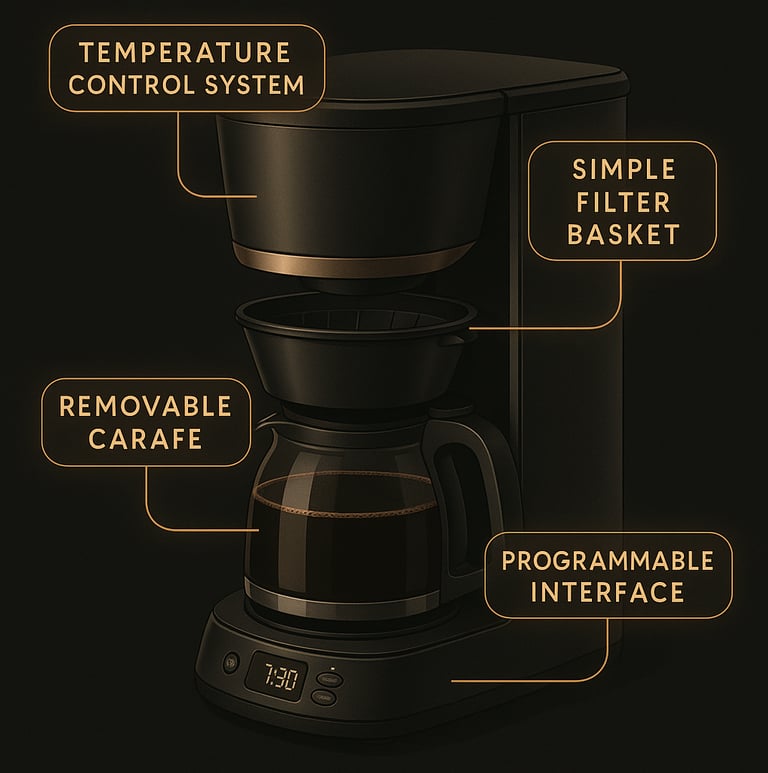
Boiling down what really matters for most people, consistent temperature control tops the list. Proper extraction hinges on maintaining the water temperature within a narrow range, so machines with reliable heating and timing usually yield better cups. This isn’t about chasing a perfect laboratory reading but about a setup that doesn’t deliver a hot or cold mess.
Capacity is another often overlooked feature — a machine that brews 12 cups for a single person or a couple ends up wasting coffee and fridge space. Conversely, a small pot might force frequent refills in a family setting, making the routine slightly annoying. Assess your typical usage honestly before settling on size.
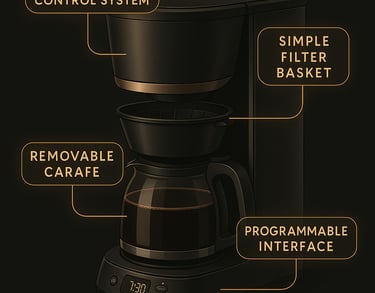
Ease of cleaning cannot be overstated. If upkeep feels like a chore, even the best machine will fall out of use over time. Models with removable carafes, dishwasher-safe parts, and simple filter baskets streamline this aspect. Programmability is nice when you appreciate waking up to fresh coffee, but it should be intuitive rather than a multi-step process requiring a manual. See Best Coffee Makers for Beginners.
Brewing Variables and Their Practical Impact
We often get hung up on grind size and water-to-coffee ratio, and while they matter, the right balance usually comes with a bit of experimentation everyone simplifies to a point that doesn’t slow mornings. Coarse grounds for French press, medium for drip, and fine for espresso is a good baseline to start with.
The freshness and quality of coffee beans matter more than you’d think when paired with the right grinder and machine. Using stale or pre-ground beans in incompatible ways almost guarantees a weak cup, regardless of your maker’s features. If consistency is your priority, investing in a decent burr grinder that matches your brewing style will pay off over time. See How Coffee Makers Work.
Matching a Coffee Maker to Your Lifestyle
Think about your day-to-day rather than aspirational setups. If you need coffee first thing and don’t want to fiddle, a programmable drip machine or a reliable pod maker often wins. For someone who enjoys a bit more involvement but values control, manual pour-over or mid-range espresso machines with good temperature stability are worth considering.
Counter space and kitchen layout also matter. A bulky machine in a cramped kitchen quickly becomes a nuisance. Smaller households do well with compact models that offer straightforward operation. Larger households or families often benefit from bigger capacity machines with straightforward pour-and-go operation to keep up with multiple coffee drinkers. See Best Coffee Makers for Small Kitchens and Best Coffee Makers for Apartments.
Common Mistakes to Avoid
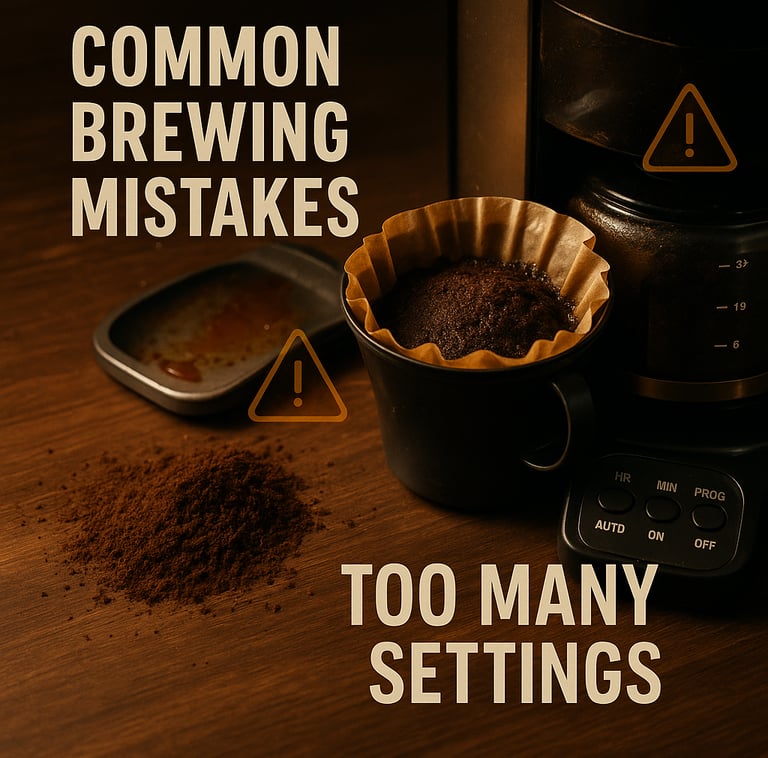
I’ve seen many fall into the trap of choosing a coffee maker based on brand prestige or price tags rather than actual fit for their coffee style and routine. The result? A nicely featured espresso machine that sits unused because dialing it in takes too much effort.
Another common slip is overlooking the grind size compatibility. Putting fine espresso grounds into a drip machine or vice versa rarely leads to satisfying results. Even the best machine can’t fix that mismatch.
Skipping routine cleaning is also widespread. Machines clogged with oils and scale affect taste and performance, turning what should be a simple morning cup into a weak or bitter disappointment.
Finally, there’s a tendency to chase advanced features promising tweaks and customization but complicate rather than simplify. Most daily drinkers find these features add steps that don’t translate into consistent use and better coffee. See Are Expensive Coffee Makers Worth It.
Maintenance and Longevity Tips
Regular cleaning is a must. Descaling your machine every few months keeps the heating element working well, which in turn preserves temperature stability. Wiping down removable parts after each use reduces residue buildup and improves flavor integrity.
Sometimes, choosing a coffee maker with straightforward, replaceable components extends its lifetime. Stainless steel and glass carafes resist staining and retain heat better than plastic, but only if handled carefully.
A well-maintained machine rarely loses appeal. It becomes part of your morning just like your favorite mug and coffee beans.
Frequently Asked Questions
What are the main types of coffee makers and which is best for beginners?
Drip machines and pod makers are generally the easiest for beginners due to their plug-and-play nature. Manual methods and espresso require more involvement but offer control if you want to engage more deeply.
How important is temperature control in a coffee maker?
It’s quite important. Consistent temperature within 195°F to 205°F ensures proper extraction and balanced flavor, avoiding weak or burnt tastes.
Can I use any coffee grind size with my machine?
Not really. Different brew methods require matching grind sizes. For example, espresso needs fine grounds while French press calls for coarse. Using the wrong grind can ruin the brew.
What features should I look for in a coffee maker for daily use?
Look for consistent heating, ease of cleaning, programmer options if you want convenience, and a size that fits your typical consumption.
How often should I clean my coffee maker?
Basic cleaning after each use is best, with descaling every few months depending on water hardness and usage frequency.
Is it better to buy an expensive coffee maker for better coffee taste?
Higher-end machines can offer more stability and durability, but the taste difference often comes down to coffee quality and grind more than price alone.
What capacity coffee maker should I choose for a family?
Choose one that matches how many cups you regularly drink in a sitting, usually an 8 to 12-cup model for families, to avoid brewing multiple batches.
Are pod coffee makers less consistent than drip or espresso machines?
Pod makers deliver consistency in portion but may compromise coffee freshness and limit customization compared to drip or espresso machines.
Final Considerations and Buying Tips
At the end of the day, the best coffee maker is one that ends up in daily rotation without adding friction. Over time, simpler setups tend to win out because they fit naturally into your routine. Programs and features only matter if you use them. Capacity should reflect how many people you’re making for, and maintenance should be manageable.
If you haven’t already, take a moment to evaluate your coffee preferences honestly—do you lean towards quick drip, measured espresso, or hands-on manual brewing? Once that’s clear, pick a machine known for steady temperature control and minimal upkeep.
Also, keep in mind grinding fresh beans works wonders across all machine types, so investing in a solid grinder can be just as important as the coffee maker itself. For practical tips on grinders and beans, see our guides on choosing the right grinder and how to select quality coffee beans.
You don’t need a trophy coffee maker. You need one that fits, functions reliably, and keeps your coffee habit flowing effortlessly. That’s where you’ll find the real value.
Contact@TheBuzzHQ.com
© 2026 Coffee Tech Buzz. All rights reserved.
Coffee Tech Buzz
Smarter brewing through better gear, clearer insights, and real-world performance testing.
Built for home users who want consistency without guesswork.
We focus on how machines actually perform — not just what they claim.
Home
Coffee Equipment Guide
Coffee Makers & Machines
Coffee Grinders
Espresso Gear & Guides
Coffee Beans & Roasts
Coffee Accessories & Tools
For educational purposes only.
We may earn commissions from qualifying purchases.
General Inquiries: