

What Size Coffee Maker Do You Need
Discover how to choose the right coffee maker size for your daily needs, balancing freshness, convenience, and kitchen space.
COFFEE MAKERS
The Coffee Tech Buzz Editorial Team - Led by AJ “Buzz” Eichman
3/31/20266 min read
Coffee is part of everyday life for most of us, so having a coffee maker that fits your routine makes all the difference. Matching your coffee maker size to your daily needs isn’t about chasing the perfect cup; it’s about convenience and consistency. Brew too much, and you end up with stale coffee. Brew too little, and you spend extra time making multiple pots. The right capacity keeps things simple and fresh.
Quick Verdict
If you drink 1–2 cups a day, a small single-serve or compact drip machine usually does the trick.
Families or offices with multiple coffee drinkers benefit from 8–12 cup capacity brewers.
Consider your kitchen space carefully; bigger isn’t always better if the machine clutters your countertop.
Over- or under-sizing impacts not just convenience but also coffee freshness and waste.
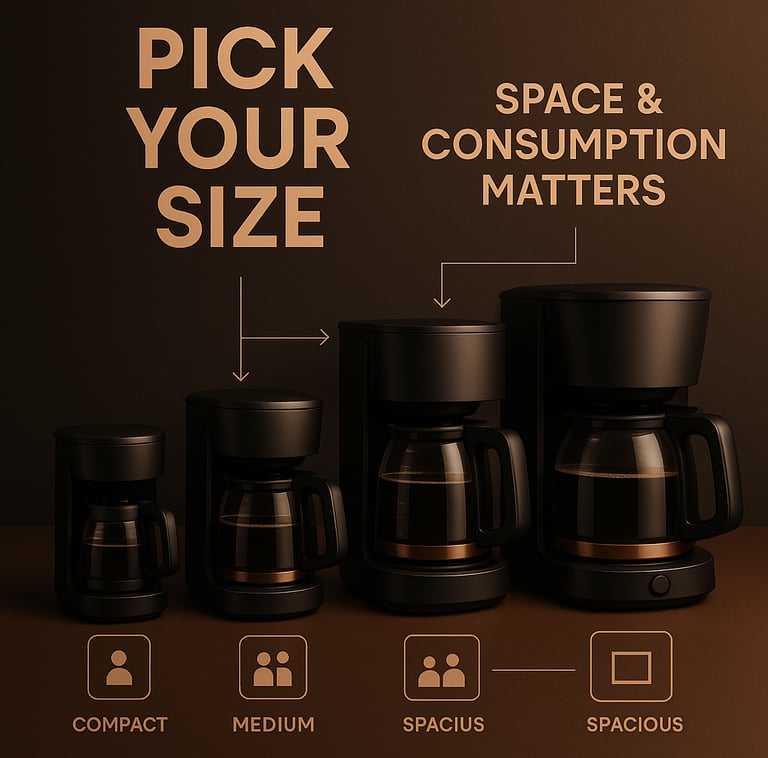

Understanding Coffee Maker Capacity: What Does Size Mean?
When people talk about coffee maker size, they’re mostly referring to capacity—that is, how many cups the machine can brew in one go. But here’s the catch: coffee maker “cups” are generally smaller than your typical mug, about 5 to 6 ounces. A 12-cup coffee maker doesn’t fill 12 mugs; it makes roughly six 12-ounce mugs. That sizing plays a big role in deciding what fits your daily needs. This falls under Coffee Makers & Machines.
Beyond just volume, capacity affects brew time and maintenance. Larger machines take a bit longer to brew and usually need more regular cleaning to stay in good shape. Smaller machines often mean less hassle but can demand more frequent brewing cycles if your intake is heavy.
Assessing Your Brewing Needs: Household Size and Daily Consumption
One of the simplest ways to pick the right coffee maker size is to consider how many people are drinking coffee daily and how much each usually consumes. A single person who sticks to one or two cups each morning doesn’t need a machine that churns out a gallon of coffee. For those drinkers, a single-serve pod machine or a compact four-cup drip coffee maker often ends up being the most practical.
For families or shared living spaces where multiple cups are consumed across short periods, machines with an 8 to 12 cup capacity make mornings easier. Brewing a big pot once saves time and prevents multiple trips to refill the carafe. Offices or groups with variable demands might benefit from machines with programmable features and larger reservoirs, but for home use, those features often go underused. See Best Coffee Makers for Home Use.
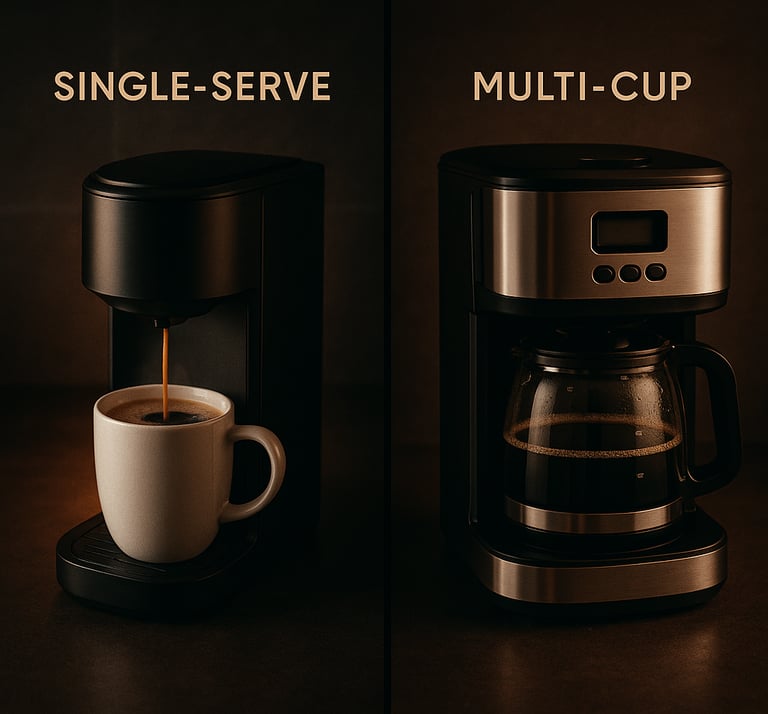
Single-Serve vs. Multi-Cup Coffee Makers: Pros and Cons
Single-serve machines shine in their convenience and simplicity. You can brew what you want, when you want, with minimal cleanup and no wasted coffee. This makes them especially popular for solo drinkers or those who don’t drink coffee every day. The downside is the ongoing cost of pods or capsules and, at times, limited brew size options.
Multi-cup coffee makers suit bigger needs better. The bigger machines offer consistency for larger batches and generally produce coffee that stays warmer longer, especially when paired with a thermal carafe. But they demand committing to a full pot each time, which can lead to wasted coffee if you don’t drink it all promptly.
Over time, most daily drinkers gravitate toward the style that fits their habits. Single-serve works well if you want speed and low fuss; multi-cup machines help when you want to share or have more than a couple of cups in a row. See What Coffee Maker Makes the Best Coffee.
Space and Practicality: Countertop and Storage Considerations
Kitchen space isn’t just about aesthetics; it’s a practical factor in choosing coffee maker size. Larger capacity machines tend to be bulkier and require more counter space, which may not work well in small kitchens or crowded layouts. You want a machine that fits comfortably, with room for easy access to water refills and coffee grounds.
If space is tight, a compact single-serve or small drip machine often performs best without cramping your workflow. Some pod-based brewers also have a small footprint, which helps keep counters clear. When shopping, consider not only machine width and depth but also height—some larger models can feel intrusive in a low-clearance shelf or cabinet. See How to Save Counter Space.
How Brew Method and Machine Features Affect Size Choice
The type of coffee maker you prefer also influences capacity decisions. For instance, espresso machines typically feature smaller water reservoirs since shots are smaller and faster to make. For daily espresso drinkers, this isn’t a drawback but a reflection of their brewing style.
Drip coffee makers usually range widely in capacity, from 4-cup models up to 12 or more cups. Programmable machines with brew strength controls tend to cluster in the mid-to-large size range, serving households who want more control combined with bigger batch brewing.
Brewing methods like pour-over or Aeropress generally don’t come with built-in large reservoirs, so they lean on smaller batch sizes, which means the capacity question is less about the machine and more about how much you want to brew in one go. See Types of Coffee Makers Explained.
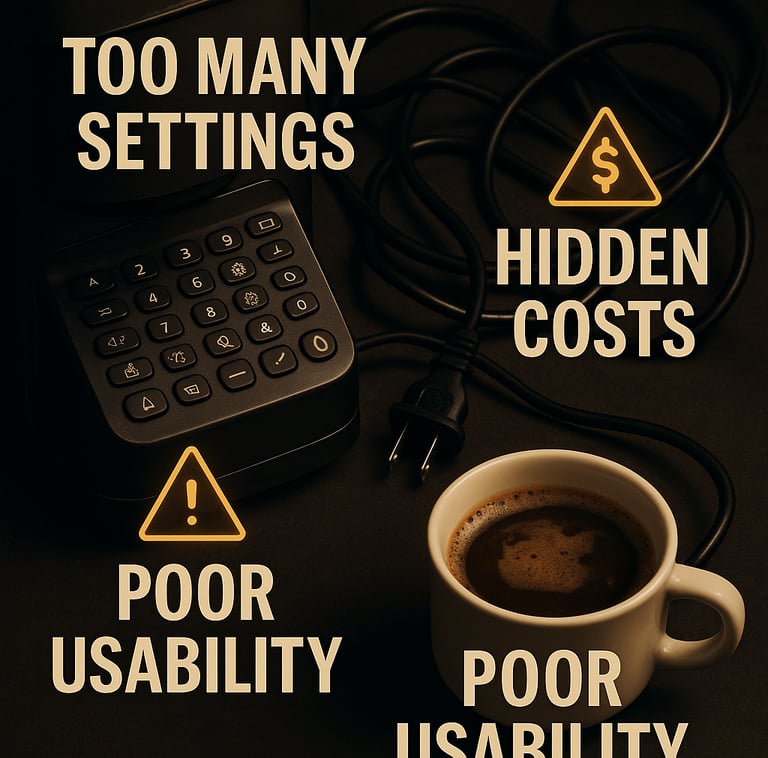
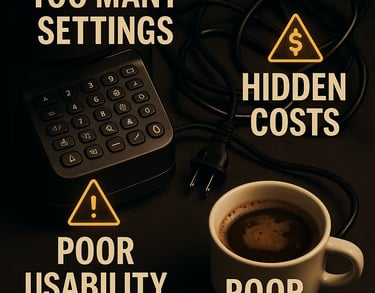
Common Mistakes When Choosing Coffee Maker Size
One of the most common traps is buying a coffee maker that’s too large “just in case.” This generally backfires because leftover coffee quickly becomes stale, deterring you from drinking it and adding waste. Similarly, a single-serve machine can feel limiting when you suddenly need to serve guests or multiple people quickly.
Ignoring your kitchen layout is another frequent misstep. A large machine squeezed onto a small counter can disrupt your workflow and make cleaning and refilling a chore.
Finally, many overlook the maintenance aspect. Bigger machines may require more regular cleaning cycles and take longer to descale, which can be a hassle if you’re busy. Smaller machines often simplify upkeep, so consider your willingness to maintain what you buy. See Are Budget Coffee Makers Worth It.
Tips for Maintaining Freshness and Consistency Regardless of Size
No matter what size coffee maker you choose, freshness comes down to brewing only what you intend to drink soon. Avoid brewing a big pot “just because you can” if you won’t finish it within an hour or two.
Keep grind size, coffee-to-water ratio, and brew time consistent with your machine and method. Adjusting these factors is more important than changing machine size in maintaining good flavor.
Regular cleaning is key. Even smaller machines benefit from periodic descaling and rinsing to ensure consistent brewing quality.
Frequently Asked Questions About Coffee Maker Capacity
How do I determine the right coffee maker size for my household?
Start by counting the number of daily coffee drinkers and estimating cups per person. If you usually drink two 8-ounce mugs daily, multiply that by household size to get a rough target capacity.
What is the difference between single-serve and multi-cup coffee makers?
Single-serve brewers make one cup at a time, often from pods, ideal for low volume and convenience. Multi-cup machines brew multiple servings in one batch, suited for serving several people or larger intake.
Can a larger coffee maker affect the freshness of coffee?
Yes. Brewing more coffee than you’ll drink in a short time leads to stale coffee. The best size matches your usual consumption so coffee is fresh every time.
Are bigger coffee makers harder to clean or maintain?
Generally, yes. Larger machines have more parts and bigger water reservoirs that require regular cleaning. Simpler, smaller machines often mean easier maintenance.
How does coffee maker size impact brewing consistency?
Size doesn’t directly affect consistency; that mainly depends on grind, ratio, and brew method. However, larger machines can have longer brew times and variations if not managed properly.
What size coffee maker is best for small kitchens?
Compact single-serve or small drip coffee makers that occupy minimal counter space usually work best in tight kitchens.
Is it better to brew multiple small pots or one large pot?
Brewing one pot that matches your immediate needs minimizes stale coffee and cleanup. Brewing multiple small pots may sometimes be necessary but adds steps that most casual drinkers prefer to avoid.
How do grind size and brew ratio change with coffee maker size?
They don’t necessarily change with size but should be adjusted for the brewing method. The ratio stays relatively consistent for flavor balance regardless of capacity.
Conclusion
Choosing the right coffee maker size comes down to matching your daily coffee habits and kitchen space. Over time, simpler setups that don’t require extra fiddling or brewing cycles tend to stick. That’s what really makes your coffee routine work—having a machine you use consistently, without hassle or wasted coffee.
Take a moment to consider your household’s usual intake, available space, and cleaning preferences, and pick a capacity that feels natural. You won’t need the biggest machine; you just need the right one.
For more on picking coffee makers that suit your needs, check our detailed guide on coffee makers and brewing methods. If you’re intrigued by balancing size and convenience, our review of top-performing compact coffee brewers can point you toward reliable options that fit effortlessly into daily life.
Contact@TheBuzzHQ.com
© 2026 Coffee Tech Buzz. All rights reserved.
Coffee Tech Buzz
Smarter brewing through better gear, clearer insights, and real-world performance testing.
Built for home users who want consistency without guesswork.
We focus on how machines actually perform — not just what they claim.
Home
Coffee Equipment Guide
Coffee Makers & Machines
Coffee Grinders
Espresso Gear & Guides
Coffee Beans & Roasts
Coffee Accessories & Tools
For educational purposes only.
We may earn commissions from qualifying purchases.
General Inquiries: