
Best Grind Size for Espresso: Beginner Guide
Discover the best grind size for espresso to achieve balanced flavor, perfect extraction, and smooth crema with our beginner-friendly guide.
COFFEE GRINDERS
The Coffee Tech Buzz Editorial Team - Led by AJ “Buzz” Eichman
4/4/20266 min read
Making a great espresso shot starts with getting the basics right—and grind size is one of those fundamentals that you can’t skip. If the grind is off, it throws off everything: extraction time, flavor balance, crema quality, and even how well your machine works under pressure. For beginners, it’s tempting to chase technical perfection, but experience shows that dialing in a reliable grind size that fits your equipment and routine matters more than anything else.
If you want to understand the equipment behind grind control, Coffee Grinders explains how grinder design impacts consistency from the start.
You’ll want a grind that’s fine—about the texture of table salt. That’s the starting point for most home espresso setups. But what really counts is consistency and how the grind plays with your machine and beans. Adjusting grind size is how you control the shot’s flow rate and extraction time, which means a better cup without extra fuss. This guide breaks down what you need to know, what to watch out for, and how to keep things straightforward without unnecessary upgrades.
Quick Verdict
Espresso grind should be fine and consistent, resembling table salt.
Burr grinders are essential for maintaining uniform grind size and better control.
Adjust grind size gradually to manage shot timing and flavor extraction.
Keep your grinder clean and grind fresh beans just before brewing.
What is Espresso Grind Size?
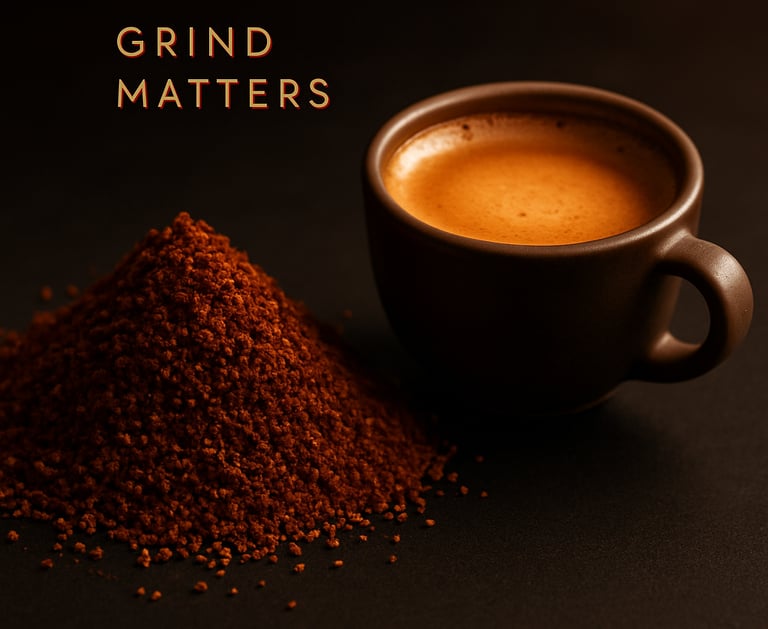
Espresso grind size is about how fine your coffee grounds are for brewing espresso. Grind too coarse, and water rushes through without extracting much flavor—that shot comes out weak and sour. Grind too fine, and the water struggles to pass, often creating bitter, over-extracted espresso or even clogging your machine.
The sweet spot is a grind roughly the size of table salt. That fine texture gives the right resistance for water pressure during the standard 25-30 second extraction window most espresso shots aim for. Think of grind size as your main lever to balance how fast or slow water moves through the puck.
If you’re troubleshooting those sour or bitter swings, Why Your Coffee Tastes Bitter or Sour helps connect grind size directly to extraction issues.
Why Grind Size Matters for Espresso
Trust me, grind size isn’t just a detail—it’s the backbone of good espresso. Without the right grind, you can’t get a shot with balanced flavor or proper body. Fineness sets how deeply the water pulls flavor compounds from the coffee during extraction. It’s also the main factor in shot timing: finer equals slower flow, coarser means faster flow.
Getting it right affects crema formation, acidity, bitterness, and strength. Espresso made with the right grind size consistently hits that sweet spot between too sharp and too dull. Over time, you’ll see that grinders and consistent grind adjustment have a bigger impact on your daily espresso than fancy machines or exotic beans.
If you want a deeper breakdown of this relationship, How Grind Size Affects Extraction explains how grind precision controls extraction dynamics.
How to Choose the Best Grind Size for Your Espresso Machine
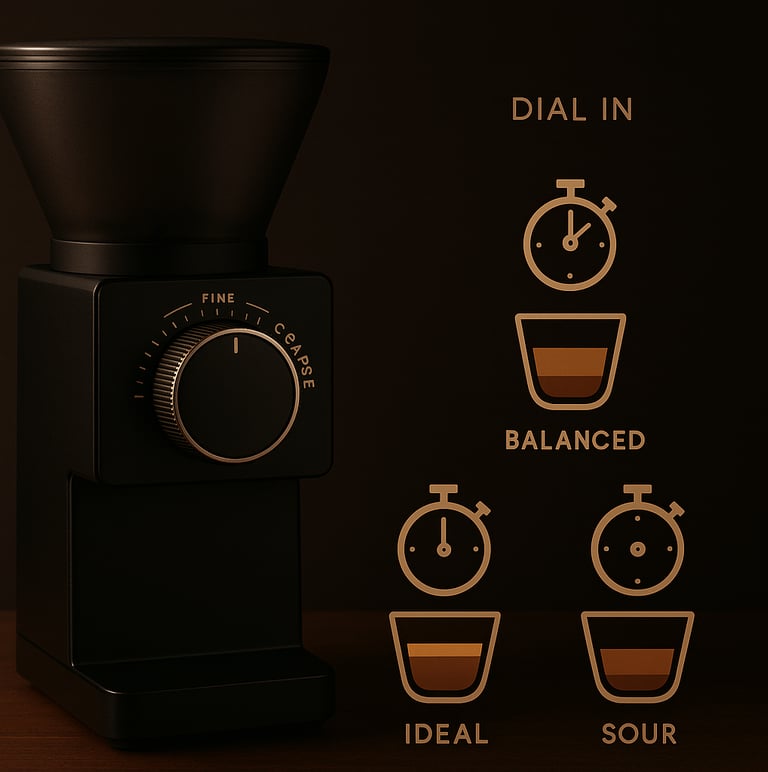
First off, identify your machine type and what it handles best. Most home espresso machines work well with a grind size at the finer end of the spectrum but they aren’t all identical. Start with a grind that resembles table salt and test your shot times. If your shot pulls too fast (under 20 seconds), go finer. If it drags out past 35 seconds, coarser is better.
Every espresso setup has nuances—even different beans or roast levels affect this. Darker roasts tend to be softer and may need a slightly coarser grind than lighter roasts to avoid over-extraction. Keep it simple: make small grind changes rather than big jumps. Adjust, taste, repeat.
If you're dialing this in step-by-step, How to Dial in Grind Size walks through the full calibration process.
Tools for Achieving Consistent Espresso Grind (Burr vs. Blade Grinders)
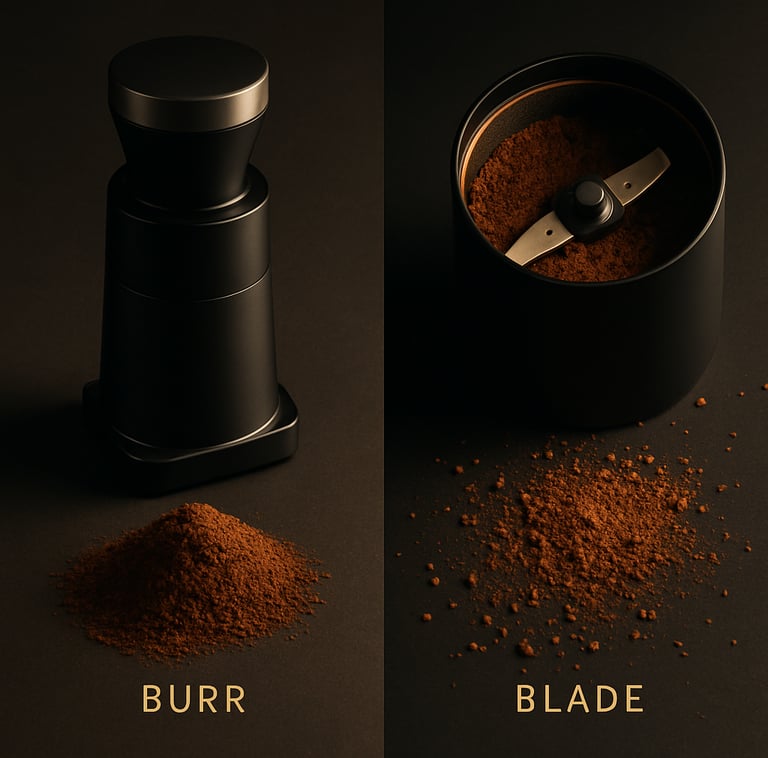
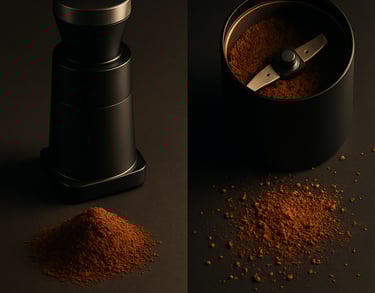
When it comes to grinding for espresso, a burr grinder is where you should land. Burr grinders crush the beans between two abrasive surfaces, creating uniform particle sizes essential for consistent extraction. In contrast, blade grinders chop beans unevenly, leading to a mix of fine powder and larger chunks that throw off balance.
If you're comparing grinder types directly, Burr Grinder vs Blade Grinder lays out the differences clearly.
While blade grinders seem affordable, they’re rarely good enough for espresso, especially once you want to dial in your shot. Burr grinders let you set and repeat grind size easily, which is key when experimenting with different beans or adjusting for slight changes in humidity or roast.
If you're looking for reliable options, Best Coffee Grinders for Espresso highlights grinders built specifically for this level of control.
Step-by-Step Guide: Adjusting Grind Size for Optimal Extraction
Start by looking at your current grind and shot timing. Dial in with these steps:
Set your grinder to a fine setting; think table-salt texture.
Pull a shot and time it. An ideal shot is extracted between 25–30 seconds.
If the shot is too fast, make the grind finer a notch or two to increase resistance.
If it runs slow or tastes bitter, adjust the grind coarser slightly.
Pay attention to taste and shot flow, not just timing. Bitter or hollow flavors mean reevaluate.
Maintain consistent tamp pressure during this process—grind size works hand-in-hand with tamping.
Record your settings for each type of bean to avoid starting over each time.
Common Beginner Mistakes When Grinding for Espresso
Newcomers often overcomplicate or overlook key factors. One common slip is using a blade grinder, which leads to uneven extraction and frustrating shot quality. Another is grinding too coarsely—the resulting espresso can be watery, sour, or one-dimensional.
On the flip side, grinding too fine can clog your machine, cause bitter flavors, and risk longer shot times. Beginners also tend to neglect adjusting grind size when switching beans or roast levels, which means missing out on a balanced shot. Lastly, skipping grinder maintenance results in inconsistent grinds and off-tasting coffee over time.
If that inconsistency shows up, Why Your Grinder Isn’t Consistent helps identify the root cause.
Tips for Maintaining Grinder Consistency and Espresso Quality
Maintaining consistency means more than picking the right grind size. Clean your grinder burrs regularly to remove old coffee oils and residue that can gum up the works and change grind performance. Plan to grind your beans right before brewing since stale grounds lose aroma and impact extraction.
Consistency in tamping pressure also interacts with grind size—aim for steady and even tamping without overthinking it. The goal is repeatability so your espresso cup quality is reliable and simple to manage day in and day out.
If you're upgrading for better long-term performance, Best Coffee Grinders Under $300 offers strong options that balance precision and value.
FAQs About Espresso Grind Size
What is the ideal grind size for espresso?
A fine grind resembling table salt tends to work best, but slight adjustments are needed based on bean type, roast, and machine specifics.
How do I know if my grind size is too fine or too coarse?
If your espresso shot extracts too quickly and tastes sour or weak, the grind is likely too coarse. If it takes too long and tastes bitter or harsh, it’s probably too fine.
Can I use a blade grinder for espresso?
Blade grinders rarely produce the grind consistency needed for espresso quality. Burr grinders are recommended for better control and uniformity.
How does grind size affect espresso taste?
Grind size directly influences extraction. Too coarse yields sour or underdeveloped flavors, while too fine can dominate with bitterness and harshness.
How often should I adjust grind size?
Adjust whenever you switch beans, roast levels, or notice shot timing drifting outside the 25-30 second range.
Does the roast level change the preferred grind size for espresso?
Yes. Darker roasts are softer and may require coarser grind settings; lighter roasts might need finer grinding to extract properly.
What grind size works best for home espresso machines?
Generally, a fine grind around table salt works well on most home machines but remember to tweak based on your specific model and beans.
How important is grind consistency for espresso?
It’s vital. Evenly-sized particles ensure balanced extraction, preventing uneven flavors and poor shot quality.
Practical Conclusion
If you’re looking to improve your home espresso, zero in on grind size first. It’s the single most important factor you can control without buying new equipment again and again. Keep your grind fine and consistent, stick to a quality burr grinder, and learn to adjust slowly based on taste and shot timing. Most importantly, make a setup that fits your routine because an inconvenient perfect grind won’t get used.
Over time, you’ll develop a reliable process that keeps your espresso tasting balanced and enjoyable every morning. That’s the real win — not chasing the perfect grind size on paper, but finding the one that works for you in practice.
For more comparison between grinder performance and workflow, Baratza vs Breville Grinders helps break down what actually matters day-to-day.
Contact@TheBuzzHQ.com
© 2026 Coffee Tech Buzz. All rights reserved.
Coffee Tech Buzz
Smarter brewing through better gear, clearer insights, and real-world performance testing.
Built for home users who want consistency without guesswork.
We focus on how machines actually perform — not just what they claim.
Home
Coffee Equipment Guide
Coffee Makers & Machines
Coffee Grinders
Espresso Gear & Guides
Coffee Beans & Roasts
Coffee Accessories & Tools
For educational purposes only.
We may earn commissions from qualifying purchases.
General Inquiries: