
Bottomless Portafilters Explained: What They Are and Why They Matter
Discover how a bottomless portafilter enhances espresso shot quality by revealing extraction details and improving crema with precise technique.
ESPRESSO
The Coffee Tech Buzz Editorial Team - Led by AJ “Buzz” Eichman
5/7/20268 min read
When it comes to refining espresso extraction, precision is everything. Among the tools that grant greater control and clarity, the bottomless portafilter—also known as the naked portafilter—stands out not just as a curiosity but as a practical instrument. Unlike traditional spouted portafilters, the bottomless design exposes the bottom of the filter basket, allowing direct observation of espresso as it extracts. This isn’t merely aesthetic. The lack of a spout reveals critical details about shot dynamics, including flow consistency and channeling, offering immediate visual feedback that can help improve espresso shot quality. A broader understanding of Espresso Gear & Guides helps connect these extraction variables instead of troubleshooting them individually after problems appear.
For those committed to dialing in a predictable and repeatable espresso routine, understanding the role of bottomless portafilters is essential. If you’re still learning how basket size, machine compatibility, and extraction behavior work together, the Espresso Portafilter Guide provides a more complete breakdown of the overall system.
Quick Verdict
Bottomless portafilters facilitate real-time diagnosis of extraction by exposing the espresso flow at the basket’s base.
They improve crema quality by eliminating spout drag and allowing a purer flow path.
Requires precise grind size, tamping, and consistent puck preparation to avoid extraction flaws.
Best used with stable espresso machines and in setups focused on repeatability rather than quick experimentation.
What Is a Bottomless Portafilter?
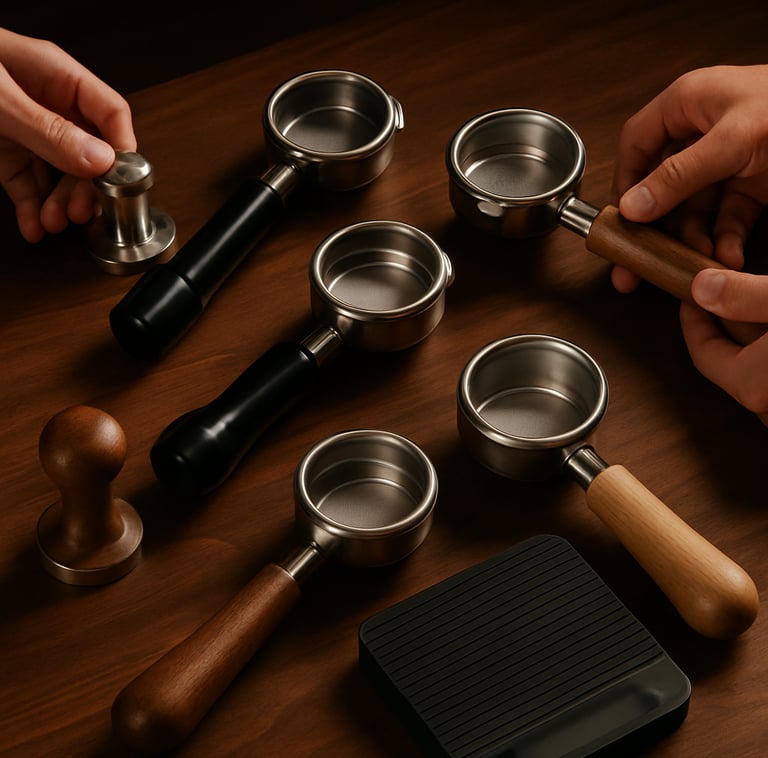
A bottomless portafilter differs from a standard portafilter primarily in its construction: it lacks the traditional metal spout that channels espresso into the cup. Instead, the basket’s bottom is open, directly exposing the espresso as it flows from the puck. This design may appear basic but reveals a lot about the extraction taking place within the basket.
The bottomless portafilter allows baristas and home enthusiasts to see patterns in espresso flow—whether consistent streams, sprays, or dripping—which then indicate the effectiveness of puck preparation and grind calibration.
While the term naked portafilter is often used interchangeably, both refer to the same tool designed to provide unfiltered visual access to the espresso shot. Its transparency in extraction dynamics makes it a training tool and a performance enhancer, particularly in environments focused on consistency and control.
How Bottomless Portafilters Differ from Standard Portafilters
The key difference goes beyond just the presence or absence of the spout. Standard portafilters have a spout typically designed to direct espresso into one or two streams toward the cup. This physical channel affects the flow path, introducing drag and sometimes masking irregular flow patterns. The spout’s geometry can smooth over channeling or extraction inconsistencies, making it harder to detect issues with distribution or tamping.
In contrast, the bottomless portafilter removes this final step, allowing espresso to exit directly from the basket into the cup. This reduction in parts means less pressure loss and a more direct path, resulting in a flow that is closer to the actual extraction conditions inside the puck. The exposed bottom reveals whether the espresso is extracting through even channels or if water is bypassing parts of the puck due to cracks or uneven tamp pressure.
From a material perspective, most bottomless portafilters are made of stainless steel, matching the dimensions and threading of their spouted counterparts for compatibility. Some models incorporate lighter metals or specialized coatings to balance durability and weight, but the core performance considerations remain centered on exposure and flow dynamics rather than materials.
Differences in basket sizing also become more noticeable with naked extractions, especially when comparing the workflow behavior covered in 54mm vs 58mm Portafilters.
Impact on Espresso Extraction and Crema
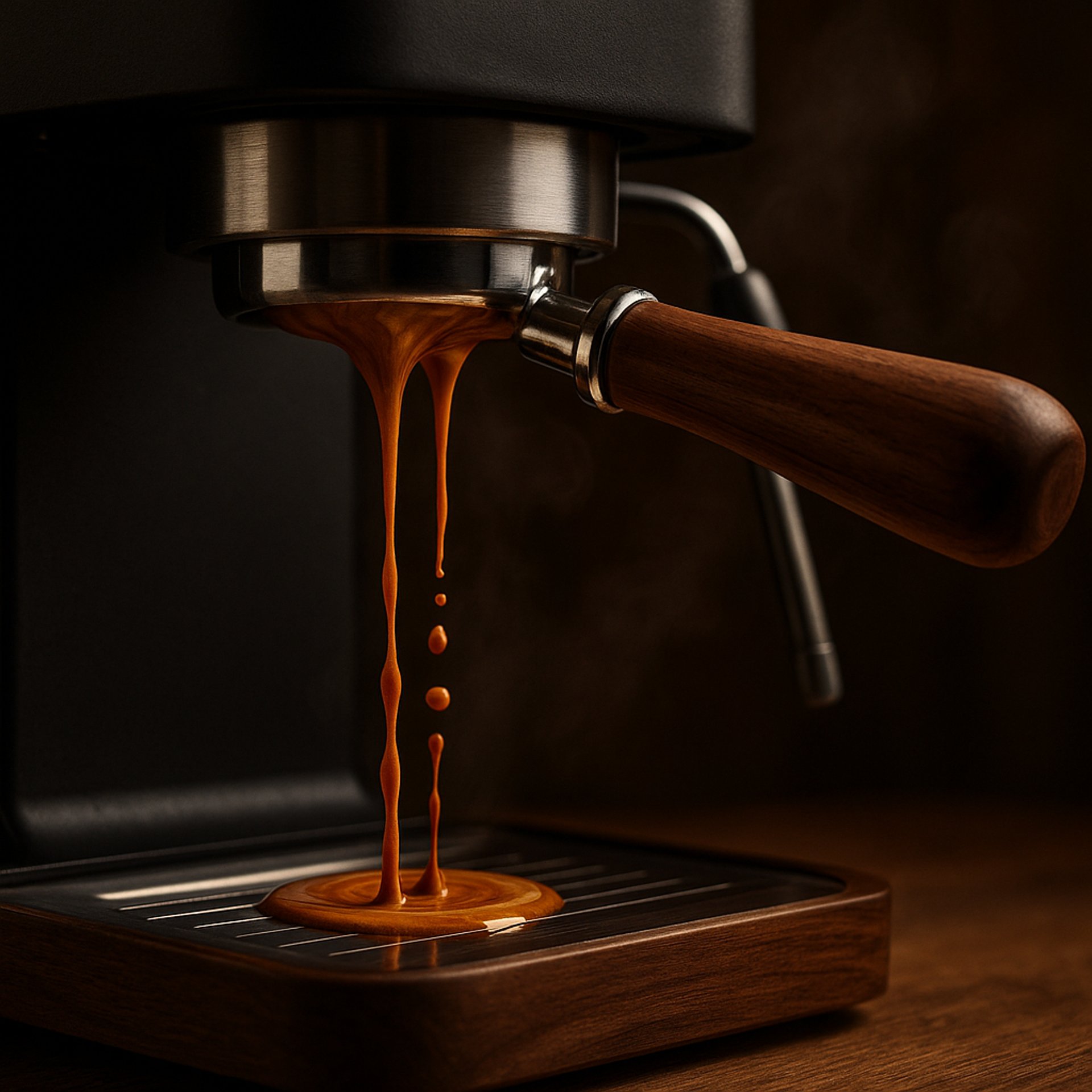
The most immediate effect of using a bottomless portafilter is the improved visual feedback it provides on the extraction process. When a puck is perfectly distributed and tamped, the flow from the bottomless portafilter will be symmetrical, consistent, and steady. Any deviation, such as splits in the stream or erratic sprays, signals channeling or uneven pressure. This insight allows baristas to adjust grind size, dosing, and tamping with immediate evidence of improvement or decline.
Beyond diagnostic utility, the bottomless design can positively affect crema. The absence of the spout reduces drag on the espresso as it exits the basket, which can result in a thicker, more persistent crema. The more natural flow preserves the delicate emulsification of oils and microbubbles that form crema, enhancing overall espresso shot quality. It should be noted, however, that this improvement in crema depends largely on technique; if the puck is unevenly prepared, the crema quality may suffer despite the bottomless portafilter.
For consistent use, the bottomless portafilter serves as a tool for refining variables that influence extraction yield and flavor balance. It’s not a magic fix for poor technique or inconsistent grinds but rather a precise feedback mechanism that rewards disciplined brewing practice.
Understanding puck resistance and extraction depth also becomes critical here, especially when diagnosing uneven flow patterns tied to basket geometry in How Portafilter Basket Depth Affects Espresso Shots.
Using Bottomless Portafilters: Tips and Techniques
To take full advantage of a bottomless portafilter, one must approach brewing with a methodical mindset. The first variable to focus on should be grind size. Since the portafilter exposes the flow directly, a grind that is even slightly too coarse will manifest as channeling or drippy, irregular extraction. Adjusting to a finer grind typically increases flow resistance, thus slowing extraction and allowing fuller flavor development. However, too fine a grind can cause over-extraction and bitterness, so the process demands incremental adjustments and observation.
Tamping technique also carries more weight here. Uneven tamping results in inconsistent pressure distribution across the puck, which the naked portafilter reveals immediately as sprays or splits in the espresso flow. Applying firm, level tamp pressure promotes even extraction, and the bottomless portafilter offers instantaneous visual confirmation of tamp consistency.
Distribution methods, whether hand distribution or using specialized tools, become even more critical because the exposed basket bottom will clearly display any flaws. The more uniform the bed before tamping, the more predictable the extraction will be. Baristas often incorporate bottomless portafilters in training to break down their puck prep and fine-tune these techniques.
Finally, the espresso machine’s stability influences results. Without temperature or pressure consistency, bottomless portafilters may reveal erratic extractions unrelated to puck prep. Ensuring machine maintenance and stable operating parameters is a prerequisite to effectively leveraging this tool.
Users upgrading compact home machines often explore the Best 54mm Portafilters when searching for bottomless-compatible options built around smaller basket systems.
Common Extraction Issues Visible with Bottomless Portafilters
Visual cues from a bottomless portafilter can pinpoint specific problems that otherwise might go undetected. Channeling is the most common issue—water carving narrow paths through the puck due to inconsistent density or cracks. This results in over-extraction where the water flows freely and under-extraction elsewhere, resulting in uneven flavor and weak crema.
Spraying or splattering generally indicates uneven tamping or an overly coarse grind, causing water to avoid packing density and break flow into multiple erratic streams. Slow drips or no flow frequently suggest a grind that is too fine or puck that is too densely tamped, restricting water passage and leading to under-extraction.
Recognizing these patterns early allows adjustment before wasted shots accumulate. Even subtle asymmetries in flow can lead to noticeable taste variation, especially over multiple pulls.
Many users first encounter these issues while troubleshooting messy extractions, which is why Why Your Espresso Shot Sprays Everywhere with a Bottomless Portafilter becomes one of the most practical follow-up guides after switching to a naked setup.
Choosing the Right Bottomless Portafilter for Your Home Setup
Selecting a bottomless portafilter requires consideration of machine compatibility and brewing goals. Most bottomless portafilters are designed to fit standard commercial or prosumer espresso machines, often matching 58mm basket diameters, but checking threading and locking specifications is crucial. Some home machines use smaller baskets or proprietary portafilters, limiting upgrade options.
Material and build quality also matter. Stainless steel remains the preferred choice for durability and heat retention, but some users prefer lighter models for handling ease. The weight and ergonomics can influence puck preparation finesse and stability during tamping.
Experience level is another factor. While bottomless portafilters reveal flaws clearly, they demand refined technique not suited for beginners without guidance. For home users focused on improving espresso consistency and maintaining control over variables, the bottomless portafilter is a valuable step up from stock spouted models.
Users running commercial-style setups often browse the Best 58mm Portafilters for upgraded naked designs with better thermal stability and accessory compatibility.
Cleaning and Maintenance Best Practices
Given that the filter basket’s bottom is fully exposed, cleaning is more critical with bottomless portafilters. Oil residues and coffee grounds can accumulate visibly and affect taste if not removed thoroughly. Daily cleaning with a brush and hot water rinsing after pulls prevents buildup.
Periodic soaking in a coffee-specific detergent helps remove oils. Attention to the exposed threads and gasket interface is important to maintain a secure seal with the espresso machine and avoid inconsistent pressure during extraction.
Neglecting cleaning often leads to off-flavors and inconsistent flow, as even minor blockages or residues distort water movement through the puck and basket.
Common Mistakes When Using Bottomless Portafilters
One frequent mistake is assuming that bottomless portafilters automatically improve espresso quality without adapting technique. This tool exposes extraction flaws rather than corrects them, so users must be prepared to refine grind, dose, and tamp accordingly.
Using inconsistent or too coarse a grind results in immediate channeling, which the visual design of the portafilter makes obvious. This is where many beginners become frustrated but it is also where improvements occur fastest.
Improper tamping is another common pitfall. Uneven pressure translates immediately into spraying or split streams that degrade shot quality. Precise, level tamping prevents this.
Additionally, users sometimes neglect cleaning, allowing residues to develop in the exposed basket that influence taste negatively.
Finally, using a bottomless portafilter on machines with unstable temperature or pressure can produce erratic extractions that confuse diagnosis. Ensuring machine stability is essential before relying on the visual feedback for technique adjustments.
Frequently Asked Questions About Bottomless Portafilters
What is the difference between a bottomless and a spouted portafilter?
The bottomless portafilter lacks a spout, exposing the bottom of the filter basket to allow direct observation of espresso flow. In contrast, spouted portafilters channel espresso through one or two outlets, which can obscure flow irregularities.
How does a bottomless portafilter affect crema and espresso shot quality?
By eliminating the spout, bottomless portafilters reduce drag on the espresso and allow a purer flow path, often resulting in thicker, more persistent crema. However, crema quality depends more on puck preparation and extraction technique than portafilter design alone.
Can beginners use bottomless portafilters effectively?
Bottomless portafilters demand precise technique in grind size, tamping, and distribution. Beginners may find them challenging without prior experience but benefit greatly from their diagnostic feedback for learning.
What are the best grind size and tamping techniques for a bottomless portafilter?
A fine grind consistent with your machine’s pressure profile is essential to avoid channeling. Tamping should be firm and level to ensure even puck density. Small adjustments in grind and tamp pressure often produce noticeable changes in flow characteristics observed through the portafilter.
Do bottomless portafilters fit all espresso machines?
Most bottomless portafilters are compatible with standard 58mm baskets and common threading sizes but not all machines, especially smaller or proprietary home models, support them. Verify machine specifications before purchasing.
How do I clean and maintain a bottomless portafilter?
Clean after each use by brushing and rinsing. Regular soaking in detergent removes oils. Pay attention to the exposed basket and threads to prevent buildup that affects extraction and taste.
Is there a difference in material quality among bottomless portafilters?
Yes. While most are stainless steel for durability and heat retention, some models use lighter metals or coatings to reduce weight or improve cosine aesthetics. Material differences may influence handling but typically not extraction performance.
Why do espresso shots sometimes spray out of a bottomless portafilter?
Spraying usually indicates uneven tamping, inconsistent grind size, or puck cracks causing water to force through weak spots irregularly. Observing this through a bottomless portafilter helps identify the need to adjust technique.
Conclusion
Bottomless portafilters are not a novelty nor a quick fix; they are precision tools designed to enhance control through visual feedback. By exposing the espresso flow directly, they provide immediate information about puck preparation, extraction uniformity, and flow dynamics that spouted portafilters conceal. This allows serious home baristas and professionals alike to refine grind size, distribution, and tamping with confidence, producing more consistent and higher quality espresso shots.
However, they also demand a disciplined approach. Using a bottomless portafilter without adjusting technique or ensuring machine stability will likely result in inconsistent or disappointing results. Their value lies in promoting methodical adjustments informed by clear observation.
For those aiming to push espresso quality and repeatability further, incorporating a bottomless portafilter into a home setup is a logical next step. It aligns with the principle that small, deliberate changes offer the greatest improvements, making coffee brewing an exercise in control, not guesswork.
Flow behavior can also change depending on puck structure and resistance characteristics covered in Why Portafilter Size Changes Espresso Extraction.
Contact@TheBuzzHQ.com
© 2026 Coffee Tech Buzz. All rights reserved.
Coffee Tech Buzz
Smarter brewing through better gear, clearer insights, and real-world performance testing.
Built for home users who want consistency without guesswork.
We focus on how machines actually perform — not just what they claim.
Home
Coffee Equipment Guide
Coffee Makers & Machines
Coffee Grinders
Espresso Gear & Guides
Coffee Beans & Roasts
Coffee Accessories & Tools
For educational purposes only.
We may earn commissions from qualifying purchases.
General Inquiries: