

Why Your Espresso Tastes Bad (It’s Probably Not the Machine)
Explore how grind size, dose, water temperature, and technique impact espresso taste more than the machine itself for consistent, quality shots.
COFFEE MAKERSESPRESSO
The Coffee Tech Buzz Editorial Team - Led by AJ “Buzz” Eichman
5/7/20268 min read
Espresso is a precisely balanced extraction process. When the flavor falls short of expectation, it’s common to blame the espresso machine. However, in most cases, the culprit lies elsewhere—inconsistent grind size, incorrect dose, water temperature fluctuations, tamping technique, or extraction timing. These variables exert a far greater influence on espresso taste than machine brand or design. Understanding how each factor affects extraction and learning to control them systematically is key to predictable, high-quality results. This article explores the fundamental causes behind bad espresso taste, emphasizing process over equipment hype often pushed alongside expensive setups in Best Espresso Machines Under $2000.
Quick Verdict
Espresso flavor issues usually stem from variable grind size, dose, or extraction timing, not the machine itself.
Precise grind adjustment and consistent dosing have the largest impact on extraction balance and taste.
Water temperature between 90–96°C is critical to avoid sour or bitter flavors.
Regular maintenance of grinder burrs and machine components supports repeatable performance beyond obvious mechanical faults.
Understanding Espresso Extraction Fundamentals
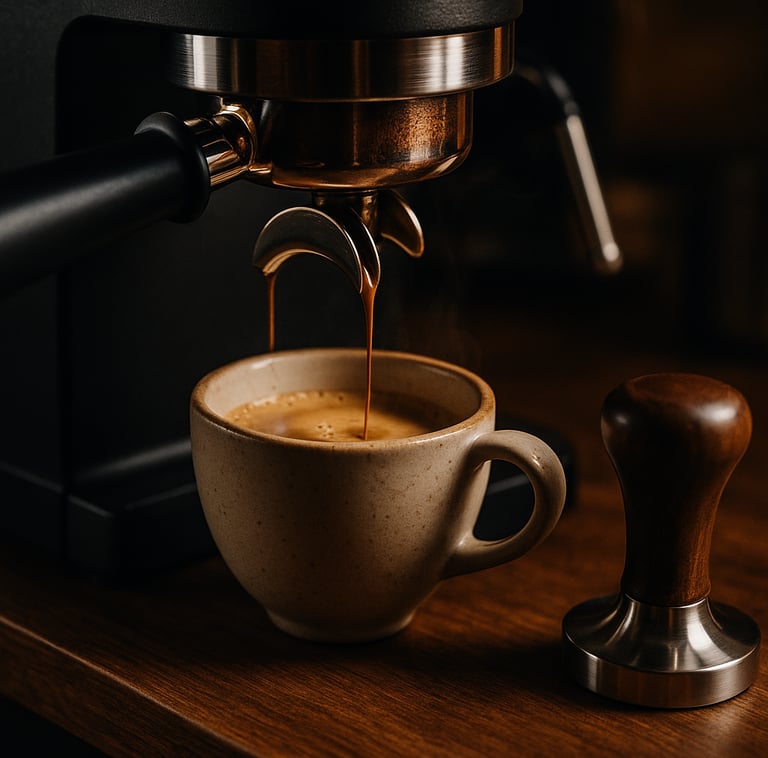
At the heart of espresso brewing is forcing hot water at high pressure through a compact puck of finely ground coffee. The goal is to extract a balanced range of soluble compounds that create a concentrated, flavorful shot with a steady flow and proper crema. This process is sensitive to small changes in input variables.
The grind size controls flow resistance and extraction rate. Coarser grounds decrease resistance, speeding flow but risking under-extraction and sourness as acids dominate. Conversely, a finer grind increases resistance, slowing the shot and often pushing extraction into bitterness. Dose—the amount of coffee used—affects puck density and contact time, influencing extraction depth and flavor concentration.
Water temperature sets the extraction dynamics too. Temperatures below 90°C tend to leave key solubles under-extracted and acidic, while too hot water (above 96°C) pulls out excessive bitter compounds quickly. Extraction time, usually targeted between 25 and 30 seconds, balances these factors and depends on grind and dose. Tamping pressure consolidates grounds evenly to avoid channeling, which leads to inconsistent flow paths and uneven extraction.
This intricate combination highlights why focusing solely on a machine’s specifications misses most causes of bad espresso taste. Many extraction variables require tight control for consistent results, especially for newer users still learning How Espresso Machines Work.
The Role of Grind Size and Consistency
Grind size is arguably the most sensitive and influential variable. It directly regulates the resistance the water encounters passing through the coffee puck. Too coarse a grind permits rapid flow that curtails extraction; grounds will be under-extracted, yielding thin, sour espresso lacking sweetness and body. Too fine a grind substantially restricts flow, prolonging the shot and pushing the extraction into bitter, harsh territory.
Equally important is grind uniformity. Uneven particle sizes create fluctuating flow channels termed “channeling,” which allow water to bypass some coffee while over-extracting others. This leads to unpredictable flavors and weak crema. High-quality burr grinders suited for espresso offer stable particle size distributions, and maintaining burr sharpness through regular cleaning is essential.
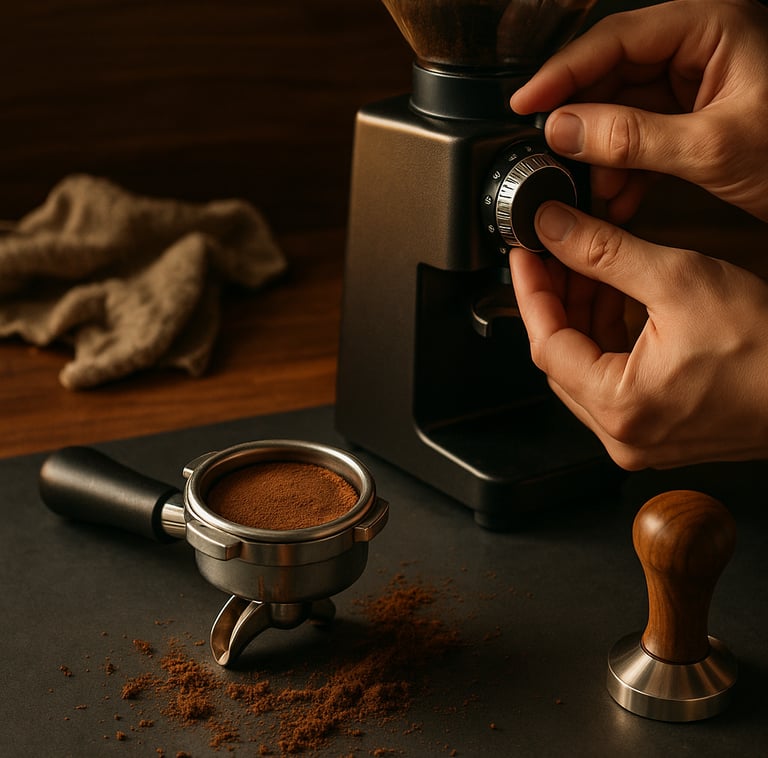
Adjusting grind size is rarely a guess. A small calibration step often makes an outsized difference in extraction balance. If your espresso pulls too fast, tighten the grind by one increment and test again. Pay close attention to how each change affects flow rate and taste over multiple shots — this process makes espresso outcome more predictable. It’s also one of the biggest differences between entry-level machines and options featured in Best Espresso Machines.
Importance of Coffee Dose and Tamping
Coffee dose impacts puck density and ultimately extraction kinetics. Under-dosing creates a loosely packed puck prone to channeling, while over-dosing may restrict flow excessively or cause uneven tamping. Most home espresso recipes fall between 14 and 20 grams of coffee depending on basket size and style.
Consistent dosing is vital. When doses vary from shot to shot, extraction yield fluctuates accordingly, leading to inconsistent flavor profiles. Scale-based dosing is recommended for precision rather than relying on volume scoops or estimation.
Tamping pressure contributes to uniform extraction by compressing coffee grounds evenly to resist water flow consistently. It is less about force magnitude than tamp flatness and repeatability. Excessive force can compact the puck too densely, slowing flow and increasing bitterness, while uneven tamping fosters channeling and uneven extraction.
If inconsistency persists, focusing first on stabilizing dose and tamp technique will often resolve many taste issues. That’s part of the reason simpler setups from Best Espresso Machines for Beginners tend to work well for newer home baristas.
Water Temperature and Its Effects on Flavor
Water temperature is a subtle but potent extraction parameter. Espresso machines designed for steady temperature control—often using PID controllers—deliver the most consistent shots by maintaining water within the 90–96°C range.
Temperatures below 90°C tend to result in under-extracted espresso, bringing forward sour, bright notes and a watery mouthfeel. This occurs because key sugars and oils dissolve inefficiently at lower temperatures. On the other hand, pushing water temperature above 96°C accelerates the extraction of bitter compounds and harsh flavors, often perceived as burnt or astringent in the cup.
Even small fluctuations within this range can impact taste noticeably, especially when combined with suboptimal grind or dose settings. Home users relying on machines without temperature stability should experiment with water temperature as part of their calibration routine to find the balance that matches their coffee beans and roast profile.
Troubleshooting Common Espresso Taste Problems
Bad espresso taste can manifest as sour, bitter, weak, or flat flavors. Each of these corresponds to specific extraction imbalances:
Sourness generally indicates under-extraction caused by grind too coarse, dose too low, water temperature too low, or short extraction time.
Bitterness often results from over-extraction due to too fine a grind, excessive dose packing, too hot water, or overly long extraction.
Weak or watery espresso tends to be caused by insufficient dose or too coarse grind, allowing water to flow through too quickly.
Flat or dull taste might result from stale coffee, inconsistent dosing, or inadequate pressure during tamping, leading to uneven extraction.
The best approach to correcting taste issues is to change one variable at a time and observe the effect. Start with grind size as it influences flow rate and extraction most directly, then refine dose, water temperature, and tamping thereafter. This process-oriented approach gradually stabilizes flavor outcomes and clarifies which factors drive inconsistency. Many of these same variables are also covered in What Makes a Good Espresso Machine?
Maintenance Tips to Keep Equipment Performing
Even the most precise controls can fail to deliver consistent espresso if equipment isn’t maintained properly. Grinder burrs dull with use, producing less uniform particle size, which translates into inconsistent extraction. Regular burr cleaning and periodic replacement keep grind quality stable.
Similarly, espresso machine components—portafilter, shower screen, group head—accumulate residual coffee oils and mineral scale over time. These build-ups impact water flow distribution, temperature consistency, and flavor cleanliness. Routine cleaning with backflush detergent and descaling when necessary restores optimal performance.
Ignoring maintenance is an often overlooked cause of fluctuating espresso taste. Keeping equipment clean and calibrated supports the repeatability needed for precision brewing, especially on compact setups like those featured in Compact Espresso Machines for Small Spaces.
How Roast Level and Bean Freshness Influence Taste
While extraction control dominates espresso flavor, the coffee beans themselves dictate the potential flavor profile. Beans roasted to a suitable level for espresso—typically medium-dark—enable balanced extraction without excessive bitterness or acidity.
Freshness is equally critical. Coffee begins losing volatile aromatics and degrading after a week or two post-roast, and stale beans can cause flat or off flavors regardless of extraction accuracy. Storing beans in airtight containers away from light and heat preserves freshness.
When troubleshooting bad espresso taste, consider bean quality and freshness alongside technical parameters. Ensuring consistently fresh, properly roasted beans streamlines the dialing-in process.
Summary: Achieving Consistent Quality at Home
Mastering espresso taste requires acknowledging the complex interplay of grind size and consistency, dose control, water temperature, tamping, and maintenance. The espresso machine serves as the stable platform rather than the variable that makes or breaks extraction quality. Focusing on process, calibrating variables one at a time, and maintaining equipment regularly will convert guesswork into predictability.
If you concentrate on grind adjustment first, use scale-based dosing, maintain water temperature within 90–96°C, and time your shots around 25 to 30 seconds, you align with solid extraction principles. Coupling these with fresh, properly roasted beans and a clean espresso setup produces the kind of espresso quality that is consistent and repeatable shot after shot.
For more detailed guidance on brewing techniques and machine styles, explore Coffee Makers & Machines along with the breakdown in Types of Espresso Machines Explained before upgrading equipment unnecessarily.
Common Mistakes That Undermine Espresso Quality
Blaming the espresso machine without adjusting grind size or dose is a frequent error. Many users assume brand or model issues cause bad flavor, overlooking that grind setting mismatch is usually responsible.
Using excessively coarse or fine grinds without testing leads to either under or over-extraction. This is especially common when switching coffee beans or roast levels but maintaining the same grind setting.
Inconsistent dosing and tamping create fluctuating flow resistance shot to shot, causing unreliable extraction. Relying on visual estimation instead of scale dosing compounds this problem.
Ignoring water temperature control or using water outside the ideal range introduces sourness or bitterness unpredictably. Machines with unstable boilers or heating elements exacerbate this.
Failing to clean grinder burrs and espresso machine group heads or portafilters results in uneven extraction paths and flavor contamination.
Using stale or improperly stored coffee beans removes the foundation of flavor, making even perfectly dialed-in shots taste flat or off.
Avoiding these mistakes is critical to progressing beyond mediocre espresso and gaining control over taste outcomes.
Frequently Asked Questions
Why does my espresso taste bitter or sour?
Bitterness typically results from over-extraction due to too fine a grind, excessive dose, too high water temperature, or too long extraction time. Sourness usually means under-extraction caused by coarse grind, low dose, low temperature, or short extraction. Adjust grind size and shot time first to correct balance.
How does grind size affect espresso flavor?
Grind size controls flow resistance. Finer grinds slow flow, increasing extraction and potentially bitterness. Coarser grinds speed flow, risking under-extraction and sourness. Uniformity of grind particles is also crucial to avoid channeling and uneven extraction.
What is the ideal water temperature for espresso?
Water temperature between 90 and 96°C (194–205°F) is optimal. Below this range risks sour, under-extracted shots; above it leads to bitter, over-extracted flavors. Maintaining consistent temperature is as important as hitting the target range.
How important is tamping pressure?
Tamping pressure helps create an even, compact coffee puck, preventing water from flowing unevenly through weak spots. While force should be firm and consistent, tamp flatness and repeatability matter more than applying maximum pressure.
Can a bad espresso taste be due to the machine?
It is uncommon for the machine itself to cause bad taste unless it has notable faults like temperature instability or malfunctioning pressure systems. Most taste quality issues arise from variable grind size, dose, tamping, temperature consistency, or maintenance problems.
How do I know if my coffee dose is correct?
A suitable coffee dose depends on your espresso basket and desired style, generally between 14 to 20 grams. Use a scale for repeatability. If your shots pour too quickly or taste weak, increasing dose can slow flow and deepen extraction, and vice versa.
Why doesn’t my espresso have proper crema?
Crema forms when emulsified oils, CO2, and fine particulates mix during extraction. Poor crema can result from stale beans, uneven tamping, excessive coarseness in grind, or temperature and pressure inconsistency. Fresh beans and precise process control improve crema quality.
How often should I clean my espresso equipment?
Grinder burrs should be cleaned weekly and replaced as they dull over months. Espresso machines require regular backflushing after daily use and periodic descaling based on water hardness. Consistent cleaning prevents buildup that impacts extraction and taste.
In taking a methodical, evidence-based approach to espresso brewing, you bring control into a process frequently mistaken for luck or machine magic. By focusing first on the variables you can adjust deliberately—grind size, dose, temperature, and tamping—you set the foundation for espresso that tastes excellent consistently. This process-centered mindset transforms home espresso from a frustrating guesswork exercise into a reliable craft.
Contact@TheBuzzHQ.com
© 2026 Coffee Tech Buzz. All rights reserved.
Coffee Tech Buzz
Smarter brewing through better gear, clearer insights, and real-world performance testing.
Built for home users who want consistency without guesswork.
We focus on how machines actually perform — not just what they claim.
Home
Coffee Equipment Guide
Coffee Makers & Machines
Coffee Grinders
Espresso Gear & Guides
Coffee Beans & Roasts
Coffee Accessories & Tools
For educational purposes only.
We may earn commissions from qualifying purchases.
General Inquiries: