
Combo Espresso Machine: Top Picks for the Ultimate Coffee Experience
Explore how combo espresso machines combine grinding and brewing in one compact unit, perfect for space-saving and consistent espresso at home.
ESPRESSOCOFFEE MAKERS
The Coffee Tech Buzz Editorial Team - Led by AJ “Buzz” Eichman
5/7/20267 min read
If your daily routine includes espresso but you’re tight on counter space and want to keep things simple, a combo espresso machine might be just the thing. These all-in-one devices pair a built-in grinder with the espresso maker itself, cutting down prep time and clutter. Instead of juggling multiple machines or adding extra steps, you get fresh grounds delivered straight into the brew chamber with minimal fuss. It’s about having the essentials at hand, streamlined and ready each morning without the unnecessary bells and whistles, especially for people building their first setup with Best Espresso Setup for Beginners.
Quick Verdict
Combo espresso machines offer convenience by combining grinding and brewing into one unit.
Adjustable grind settings and dosing play a key role in getting a solid shot consistently.
Space savings and simpler clean-up make these machines a daily winner in smaller kitchens.
Not every model will match dedicated grinders on precision—know the trade-offs before buying.
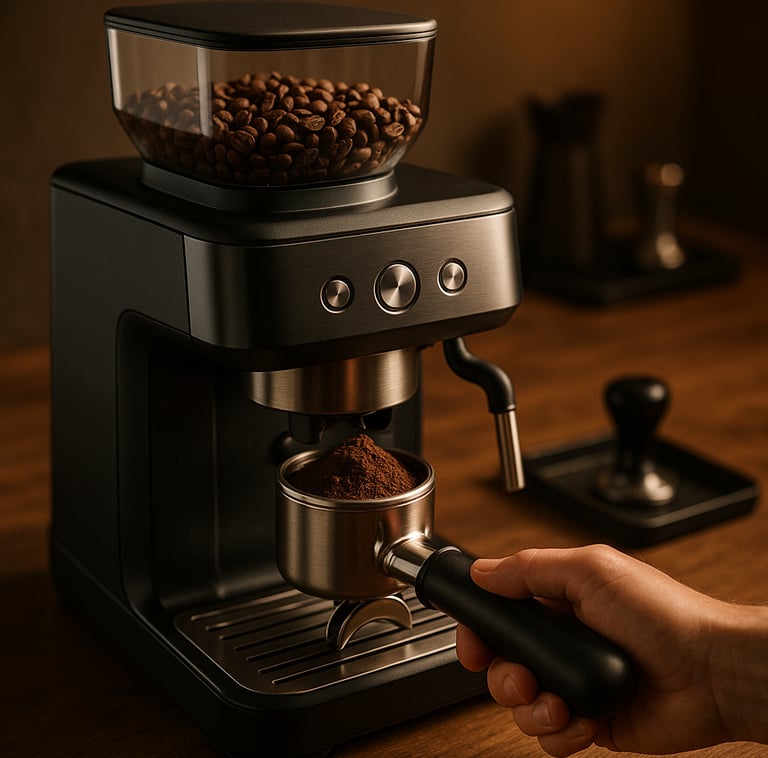
What is a Combo Espresso Machine? How It Works
At its core, a combo espresso machine merges two main steps—grinding coffee beans and brewing espresso—into one streamlined process. The built-in grinder grinds fresh beans right before extraction, which is crucial for maintaining flavor and aroma. This setup keeps things compact, cutting down on countertop clutter and extra equipment.
You’ll find these usually use burr grinders, which are preferable for getting a consistent grind size essential for espresso, though some more budget-friendly models might opt for blade grinders. Once the beans are ground, the machine doses and tamps the coffee automatically or gives you manual control, then extracts the shot with regulated water pressure and temperature. The goal is consistency with a minimal learning curve, especially for people still learning How Espresso Machines Work.
Key Features to Look For in the Best Combo Espresso Machines
Not all combo machines are created equal. From experience, the most useful models share a few core features that keep daily use smooth and reliable:
Grinder Quality and Adjustability: The grinder should let you tweak grind size and dose. Espresso requires a fine, consistent grind. If the combo doesn’t allow adjustments, you’ll find it tough to dial in your preferred flavor.
Temperature and Pressure Stability: Look for machines that maintain stable water temperature and deliver 9 to 15 bars of pressure. These factors make a surprising difference when it comes to the shot’s balance and crema.
Size and Footprint: Combo machines save space by design, but dimensions still matter. Make sure it fits your counter and doesn’t feel like a tight squeeze, especially compared to larger setups covered in Best Espresso Machines Under $2000.
User Interface and Controls: Some machines prioritize simple buttons or presets, which suit beginners perfectly. Others offer more manual control for those who want to tinker but still want convenience.
Milk Frothing Capability: If lattes or cappuccinos are your routine, a steam wand or automatic milk frother integrated into the machine can save you the hassle of extra appliances.
Water Reservoir Capacity: For daily convenience, a larger tank means fewer refills, letting you get through your morning without interruptions.
Build Quality: Stainless steel parts generally last longer and handle heat better than plastic, though that often bumps up the price.
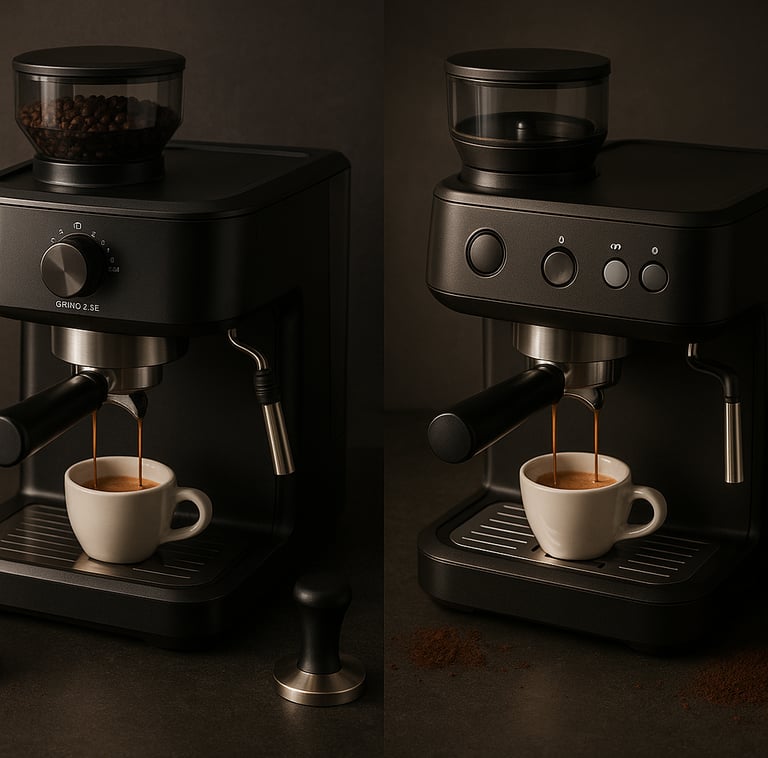
Comparing Top Combo Espresso Machines: Performance and Usability
The best combo espresso machines typically balance grinder quality with ease of use. For example, popular models with burr grinders and clear grind size selections provide a noticeable taste advantage over combos with basic blade grinders. Consistency in espresso extraction also links strongly to how well the machine controls temperature and water pressure. In practice, those features translate into shots without sour or bitter notes.
In daily use, simpler setups tend to win out. Machines with overly complex menus or barely noticeable performance improvements often end up gathering dust. The real winners are straightforward, reliable models that fit quickly into your routine and don’t hold you captive to single beans or complicated maintenance. That’s also why many home users lean toward machines featured in Best Espresso Machines for Beginners instead of chasing commercial-level gear.
Grinder Quality and Adjustability: Why It Matters
Grind size and dosing adjustments aren’t just technical niceties—they shape how your espresso tastes every day. Too coarse, and the shot runs too quickly, resulting in weak coffee. Too fine, and you risk over-extraction or clogged equipment. Having a built-in grinder that lets you dial in these settings means you can experiment enough to find your sweet spot without adding extra gear.
That said, keep in mind that built-in grinders in combo espresso makers rarely match the precision of standalone grinders, especially at entry-level price points. But for daily drinkers focused on convenience and decent quality, these grinders do the job without overcomplicating things. In many cases, Why Espresso Tastes Sour comes down to grind size and extraction issues more than the machine itself.
Brewing Variables: Temperature, Pressure, and Extraction Insights
A steady brewing temperature (around 200°F or 93°C) and consistent pressure (close to 9 bar minimum) are what shape a balanced espresso shot. Combo machines that invest in stable heating systems and reliable pumps deliver more consistent results. Some models introduce pre-infusion, which wets the grounds gently before full pressure comes on, improving extraction.
While professional-grade features can elevate your espresso, the reality is that a solid combo machine can handle this respectably for home use. Consistency, rather than perfection, will prevent wasted coffee and the frustration of uneven shots, which is something discussed further in What Makes a Good Espresso Machine?
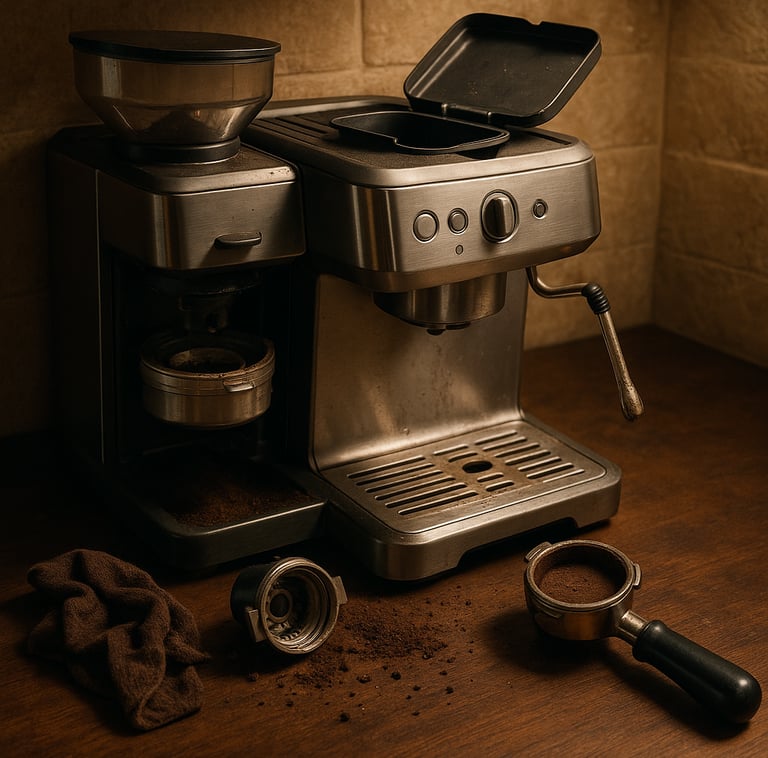
Cleaning and Maintenance Tips for All-in-One Machines
Regular cleaning is often overlooked but essential for combo espresso machines. Coffee oils and fine grounds build up inside both grinder and brew units—neglect leads to clogged grinders, off-flavors, and inconsistent pours.
Ideally, cleaning routines should be simple enough to do weekly or biweekly without hassle. Many machines have removable grinder parts or allow for grinding cleaning tablets. The brew group where extraction happens also needs attention—wiping, backflushing, or rinsing as recommended. Water quality impacts flavor and machine longevity, so using filtered water is always worth it.
Those who stick with routine maintenance avoid the more frustrating inconsistencies that crop up over time.
Buyer’s Guide: Choosing the Right Combo Espresso Machine for Your Needs
Picking the right combo machine boils down to what fits your daily habits, kitchen space, and skill level:
If counter space is tight, prioritize compact models even if features are pared back slightly.
Beginners often benefit from preset programs and simple controls—saving effort while learning.
More experienced home baristas can look for adjustable grinders and brewing parameters to fine-tune flavor.
If milk drinks are essential, consider whether a steam wand or automatic frother is included or adds more clutter.
Budget plays a big role, but avoid cheaper combos with blade grinders or poor build quality; they tend not to last or provide consistent shots.
Check how often you’ll need to refill water reservoirs based on your intake and household size.
Ultimately, the best combo espresso machine is the one you use day in, day out without dread or extra hassle.
Common Mistakes When Buying or Using Combo Espresso Machines
It’s easy to assume that all-in-one means no compromise—that the grinder will match a dedicated device or the espresso will always be top cafe quality. Expecting commercial-level performance from an at-home compact unit is unrealistic without adjusting budget or features.
Some also overlook measuring the machine dimensions correctly or fail to consider the space left around for steam wands or accessories. Cleaning often falls through the cracks, which affects flavor and equipment lifespan.
Using the wrong grind setting is a common pitfall; beginners sometimes set it too coarse or too fine, ruining the shot before they’ve started. Water temperature and quality don’t get enough attention either but have a direct impact on the final cup. That’s part of the reason Common Espresso Mistakes usually have more to do with workflow than the actual machine.
Finally, chasing overly complex features or gimmicks tends to add more steps than real benefit in the daily grind.
Frequently Asked Questions About Combo Espresso Machines
What is a combo espresso machine and how does it differ from separate grinder and machine setups?
A combo espresso machine combines the grinder and espresso maker into one device. Instead of grinding beans separately, it grinds fresh coffee directly before brewing, saving space and simplifying the process.
Are all-in-one espresso machines good for home baristas of all experience levels?
They can be. Beginner-friendly combos focus on presets and ease of use, while more advanced models offer adjustable grind and brew settings to satisfy home baristas looking to experiment.
How important is grind size adjustment in a combo espresso machine?
Very important. Espresso needs a fine, consistent grind to extract properly. Adjustable grinders let you dial in the right settings for taste and tempo. Without it, shots can be weak, bitter, or inconsistent.
Can combo espresso machines produce milk-based drinks like cappuccinos or lattes?
Many models include steam wands or automatic milk frothers, making it easy to prepare milk-based espresso drinks without extra equipment.
What are the main trade-offs when choosing a compact combo machine?
You usually trade off grinder precision or advanced brewing controls for space and simplicity. Smaller machines might have smaller water reservoirs and fewer features but save valuable counter space.
How often should I clean the grinder and espresso components in these machines?
It’s best to clean grinder burrs and brew groups weekly or biweekly depending on use. Neglecting cleaning leads to buildup affecting flavor and machine function.
Do combo espresso machines require special coffee beans or roast levels?
No special beans are required, but medium to dark roasts tend to work best in home espresso setups. Fresh beans suited for espresso grind deliver the best results.
Which brands offer the best combo espresso machines for beginner to intermediate users?
Brands like Breville, De’Longhi, and Gaggia are well-known for reliable combos with good grinder integration suited for home use across skill levels. Many of those brands also appear throughout Best Espresso Machines and other beginner-focused buying guides.
Finding the Combo Espresso Machine That Makes Sense for You
Equipment for daily coffee doesn’t need to be a headache. Combo espresso machines boil down to keeping fresh grounds and brewing close together—eliminating extra steps that pile up. Over time, simpler setups tend to win because they get used. If it fits into your routine, you’ll keep it around.
Before you buy, think about your space, how much control you want, and what drinks you actually make. Don’t chase commercial features at home; focus on ease, reliability, and flavor consistency. With the right combo machine, your morning espresso can become a no-fuss, well-flavored ritual that fits smoothly into your everyday life. Do Expensive Espresso Machines Actually Make Better Coffee? usually comes down to consistency and daily workflow more than flashy features.
For a broader look at brewing methods and machine types, explore Coffee Makers & Machines before choosing the setup that fits your kitchen and routine best.
Contact@TheBuzzHQ.com
© 2026 Coffee Tech Buzz. All rights reserved.
Coffee Tech Buzz
Smarter brewing through better gear, clearer insights, and real-world performance testing.
Built for home users who want consistency without guesswork.
We focus on how machines actually perform — not just what they claim.
Home
Coffee Equipment Guide
Coffee Makers & Machines
Coffee Grinders
Espresso Gear & Guides
Coffee Beans & Roasts
Coffee Accessories & Tools
For educational purposes only.
We may earn commissions from qualifying purchases.
General Inquiries: