
Beginner Espresso Setup: What You Actually Need
Learn the essentials of a beginner espresso setup to consistently pull great shots with simple tools and fresh beans without overcomplicating your routine.
ESPRESSOCOFFEE GRINDERSCOFFEE MAKERS
The Coffee Tech Buzz Editorial Team - Led by AJ “Buzz” Eichman
5/7/20267 min read
Starting with espresso at home doesn’t have to be complicated or expensive. For many newcomers, the challenge isn’t just about what gear to buy, but figuring out what actually works day after day. A beginner espresso setup should focus on essentials that make it easy to pull consistent shots without fuss. If you’re new to espresso machines and wondering where to begin, this guide cuts through the noise and helps you build a straightforward setup that fits into your routine without adding unnecessary steps. Building around dependable gear from Coffee Grinders and Coffee Makers & Machines usually creates a much smoother learning curve than chasing trendy equipment.
Quick Verdict
• Choose an entry-level espresso machine with temperature stability and straightforward controls to streamline your learning curve.
• Invest in a burr grinder with grind size adjustability to nail the fine consistency espresso needs.
• Basic accessories like a good tamper, scale, and milk pitcher improve workflow and precision.
• Fresh, properly stored beans roasted within the last few weeks make a noticeable difference.
• Keep it simple: consistent grind, dose, tamp, and extraction time matter more than any gadget.
What Is a Beginner Espresso Setup?
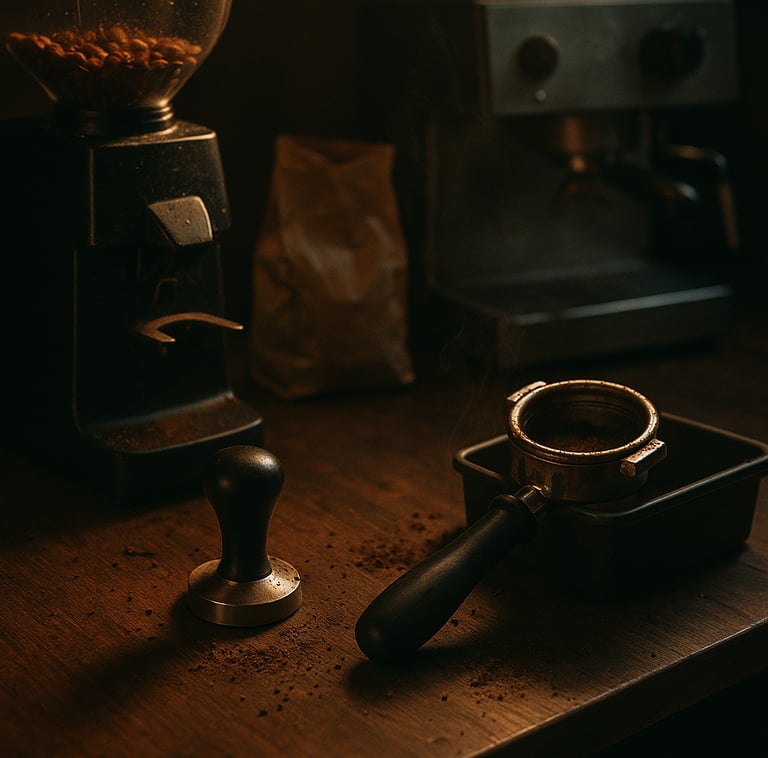
At its core, a beginner espresso setup includes the machine, a reliable grinder, some key accessories, and good coffee beans. That’s it. Many first-timers feel pressure to assemble a collection of tools and think bigger is better, but the real trick is finding what delivers steady results without overcomplication. The machine you choose should be forgiving enough to learn on and capable of delivering the right water temperature and pressure. The grinder is equally important because no matter how good your espresso machine is, uneven grind size will make dialing in shots frustrating. Adding just a few accessories helps maintain a smooth process, whether it’s a tamper that fits your portafilter or a simple scale that ensures you’re dosing consistently. This is also why Espresso Machine vs Grinder: Which Matters More? becomes one of the first questions most beginners run into.
Choosing Your First Espresso Machine: Key Features to Look For
When picking an espresso machine beginner-friendly means reliable, easy-to-use, and capable of holding temperature steadily. Machines with PID temperature controllers are a good place to start because they keep water within the ideal range — around 92 to 96°C — which matters more than you might think for consistent extraction. Avoid overly complex drip or manual lever machines at this stage; they often require more patience and technical knowledge than most beginners want right away. Look for machines with a straightforward interface: simple brew buttons, pressure gauges, or basic programmable shot times. Brands offering entry-level models balance build quality and price, letting you focus on learning rather than maintaining finicky hardware. Many people start with options from Best Espresso Machines for Beginners because they balance usability with stable extraction performance.
The Importance of a Good Grinder for Espresso
Here’s where a lot of first-timers stumble. Using pre-ground coffee is convenient but sacrifices freshness and control. A burr grinder is essential to get the fine, consistent grind size required for espresso. Blade grinders produce uneven particles, which leads to bitter or weak shots. Adjustable grind settings give you the flexibility to fine-tune your espresso — because the right grind makes all the difference when balancing extraction time and flavor. It’s better to start with a grinder that’s easy to use and delivers uniform grounds, even if it means spending a bit more initially. Over time, you’ll appreciate the ability to dial in your espresso without chasing inconsistent results. That’s exactly why guides like What to Look for in an Espresso Grinder and Best Espresso Grinders for Beginners matter so much early on.
Essential Accessories for Beginners
You don’t need every accessory under the sun, but a few basic tools earn their keep. A tamper that fits your espresso machine’s portafilter is a must — tamping evenly and with the right pressure helps avoid channeling water through loose grounds. A scale might feel like overkill for some, but tracking your dose in grams and the extraction time can quickly reveal when something’s off. For those who want milk-based drinks, a simple stainless steel pitcher compatible with your machine’s steam wand will help you practice microfoam without fuss. Other handy additions include a brush for keeping your group head clean and a knock box for used grounds. These small touches streamline your routine and prevent frustration without adding complexity.
Understanding Coffee Beans: Roast Levels and Freshness
Fresh beans roasted for espresso tend to be a medium to dark roast, but it’s less about the label than how recently they were roasted. Buying beans that were roasted within the last few weeks makes a difference you can taste. Stale beans lead to flat, dull espresso no matter how good your machine is. Proper storage in an airtight container away from light and heat preserves those flavors longer. Grinding just before brewing preserves freshness, so it’s worth making time for daily grinding. The grind size for espresso is very fine — finer than drip or French press — so keeping beans fresh right up to the moment they hit your grinder often matters as much as the roast. Freshly roasted Espresso Beans paired with a quality burr grinder usually improve espresso more than expensive accessories ever will.
Basic Brewing Variables and How to Control Them
After selecting the right gear, it comes down to dialing in four key brewing variables: grind size, dose, tamp pressure, and extraction time. Adjusting grind size affects how quickly water passes through grounds. Too coarse, and the shot extracts too fast and lacks flavor complexity. Too fine, and it will over-extract and taste bitter. Dose refers to how much coffee you use, usually around 18 to 20 grams for a double shot. Being consistent here helps with repeatability. Tamping evenly with medium pressure creates a uniform bed for water to penetrate. Extraction time usually falls between 25 and 30 seconds; watching this helps you learn when to tweak other variables. Starting with these constants and adjusting one at a time will get you in the habit of making espresso that tastes good without guesswork. A lot of this troubleshooting overlaps with Why Your Espresso Shot Is Too Fast or Too Slow once you begin dialing in shots consistently.
Common Mistakes to Avoid When Starting Out
Most beginners tend to overcomplicate the process right away — chasing perfect shots with every possible gadget or swapping machines before mastering the basics. Another frequent error is neglecting grinder quality or using pre-ground coffee, which sets you up for inconsistency. It’s common to overlook cleaning, but buildup quickly degrades flavor and can cause equipment issues. Trying to buy every accessory at once may seem smart but often leads to clutter or unused gear. Focus on what you need first, learn the process, then add tools as your habits solidify. If something doesn’t fit neatly into your morning routine, you’re less likely to keep using it, which defeats the purpose. Many beginners also underestimate the impact explained in Manual vs Electric Espresso Grinders when choosing their first grinder setup.
Maintaining Your Espresso Equipment for Best Results
Keeping your machine and grinder in good shape pays off with consistent flavor and less downtime. Regular cleaning of group heads, portafilters, and steam wands prevents oils and coffee residue from building up and changing taste profiles. Backflushing your machine, if it supports that, and descaling periodically maintain performance, especially in hard water areas. Burr grinders benefit from occasional cleaning to avoid stale coffee buildup between blades. Following the manufacturer’s maintenance guides is important but don’t feel pressure to overdo it — simple, regular routines protect your investment and help you maintain the pep in your morning shot.
Practical Conclusion
If you’re a beginner looking to start making espresso at home, the best setup is one that fits smoothly into your daily routine and delivers reliable results. An entry-level machine with decent temperature stability paired with a burr grinder gives you the foundation to consistently pull good shots without fuss. Basic accessories like a tamper, scale, and milk pitcher improve precision and workflow without complicating your process. Focus on freshly roasted beans and keeping your gear clean — these simple habits often matter more than the most advanced equipment. Skip the temptation to buy everything at once or chase perfect shots and instead aim for a setup that you actually use every day. That’s how you turn espresso from a hobby into a dependable part of your morning.
FAQ
What is the best espresso machine for beginners?
Look for machines that offer stable temperature control with simple interfaces and consistent pressure. Models with PID controllers and easy maintenance steps tend to work best for newcomers.
Which grinder should a beginner choose for espresso?
A burr grinder with adjustable grind settings is critical. It ensures the fine, uniform grind espresso requires and lets you dial in shots without frustration. Many users start with models featured in Best Coffee Grinders for Espresso before upgrading later.
What accessories are essential in a beginner espresso setup?
Start with a tamper that fits your portafilter, a reliable scale to measure dose and extraction time, and if you make milk drinks, a stainless steel frothing pitcher.
How important is coffee bean freshness for espresso?
Very important. Beans roasted within the last few weeks maintain flavor clarity and sweetness. Grinding just before brewing also preserves freshness.
What brewing variables should beginners focus on?
Grind size, coffee dose, tamp pressure, and extraction time are the key variables to control for consistent espresso.
How do I maintain and clean my espresso machine?
Routine cleaning of group heads, portafilters, and steam wands along with periodic backflushing and descaling keeps your machine performing well and tasting clean.
Can I start making good espresso without a lot of expensive gear?
Absolutely. A basic machine and burr grinder paired with fresh beans and some simple accessories can produce rewarding espresso without breaking the bank.
What common mistakes should I avoid as a beginner?
Avoid overcomplicating your setup, using pre-ground coffee, neglecting grinder quality, skipping cleaning, and rushing to buy all accessories before establishing a consistent routine.
Contact@TheBuzzHQ.com
© 2026 Coffee Tech Buzz. All rights reserved.
Coffee Tech Buzz
Smarter brewing through better gear, clearer insights, and real-world performance testing.
Built for home users who want consistency without guesswork.
We focus on how machines actually perform — not just what they claim.
Home
Coffee Equipment Guide
Coffee Makers & Machines
Coffee Grinders
Espresso Gear & Guides
Coffee Beans & Roasts
Coffee Accessories & Tools
For educational purposes only.
We may earn commissions from qualifying purchases.
General Inquiries: